Visit Us
2249 Carling Ave. Suite 201
Call Us
613-709-8001
Email Us
info@theratouchphysio.com
Opening Hours
Mon - Fri: 9 AM - 6:30 PM | Sat: 10 AM - 5 PM

Pelvic Organ Prolapse Awareness Month

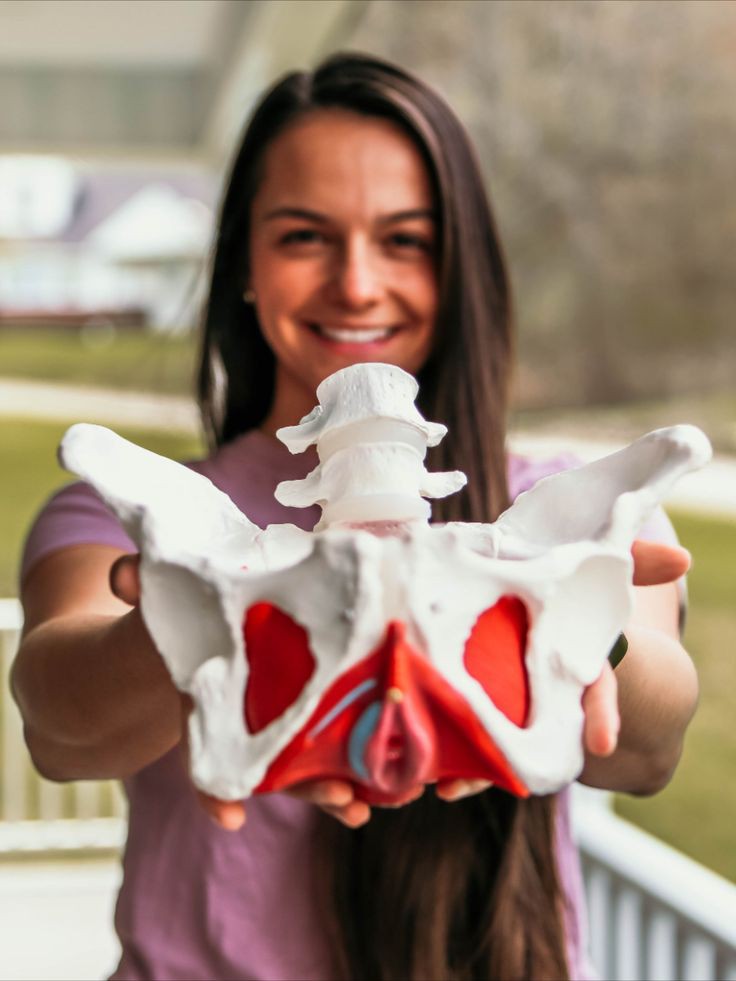
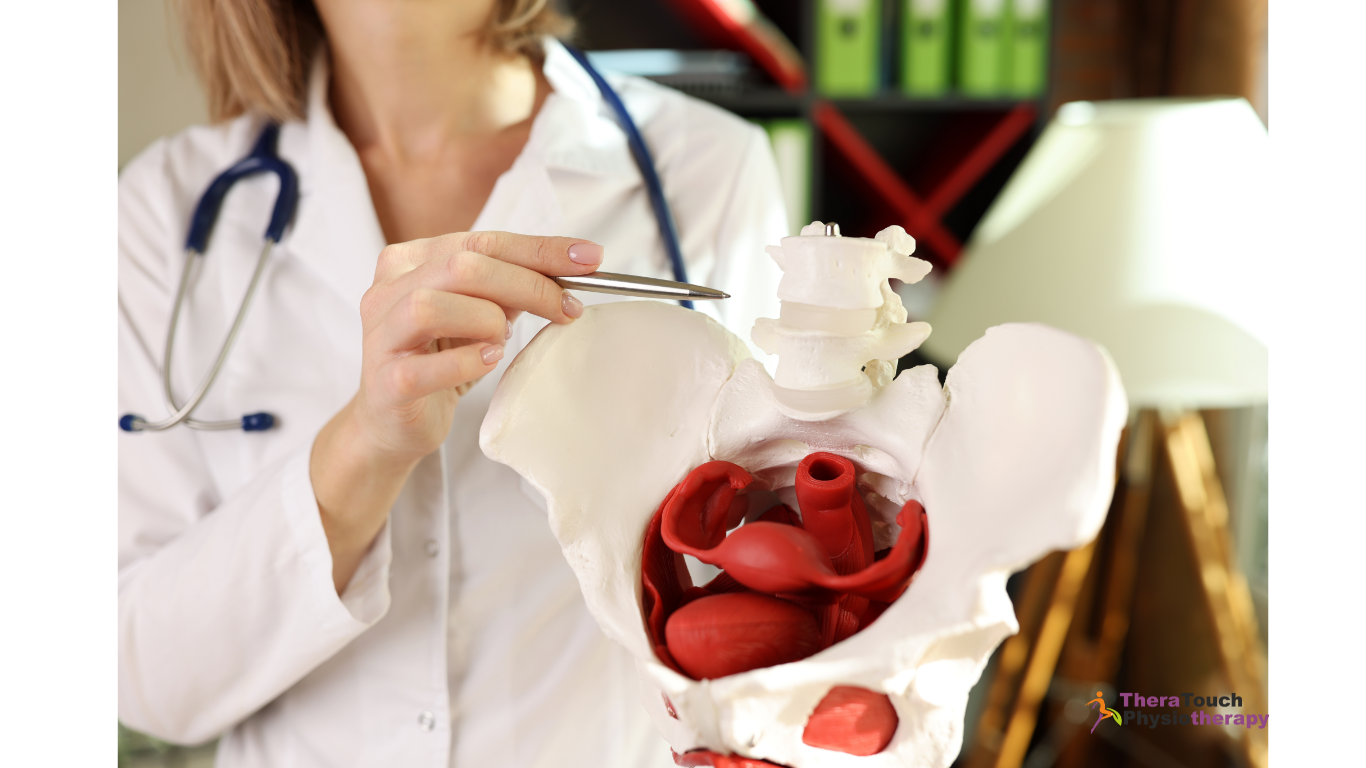
June is Pelvic Organ Prolapse (POP) Awareness Month, a crucial time dedicated to educating women about this often-misunderstood condition. Pelvic organ prolapse occurs when the muscles and tissues supporting your pelvic organs weaken, causing one or more of these organs to drop or press into or out of your vagina. 

What is Pelvic Organ Prolapse?

Pelvic organ prolapse is a condition where your pelvic organs (bladder, uterus, rectum, and bowel) slip out of their normal position due to weakened supporting structures including pelvic floor muscles. This can lead to discomfort, urinary issues, and other complications. It is more common in women who have given birth, especially those who have had multiple vaginal deliveries.

Who is susceptible to pelvic organ prolapse? 

Pelvic organ prolapse (POP) can occur in individuals of any gender, though it is more prevalent in women and people assigned female at birth (AFAB). Men and those assigned male at birth (AMAB) may also experience conditions like bladder and rectal prolapse.

What are the types of pelvic organ prolapse that exist?

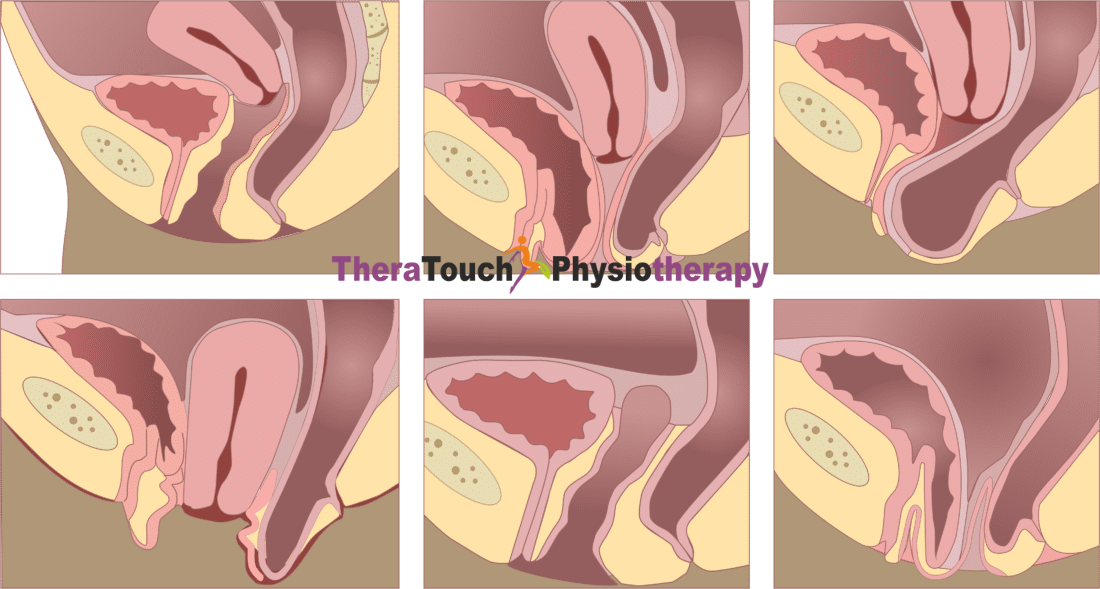
Generally, the type of prolapse you experience depends on the location of the weaknesses in your supporting structures including the pelvic floor and the organs that are affected. The severity and symptoms can vary based on these factors. These are the types;

  • Anterior vaginal wall prolapse (cystocele): When the supporting structures including the  pelvic floor muscles above the vagina weaken, the bladder can shift out of position and press against the vaginal wall. This condition, known as cystocele, is the most common form of pelvic organ prolapse (POP).
  • Uterine prolapse: Weakened supporting structures including the  pelvic floor can cause the uterus to descend into the vaginal canal.
  • Posterior vaginal wall prolapse (rectocele): Weakness in the supporting structures including the  pelvic floor muscles between the vagina and rectum can cause the rectum to protrude into the back wall of the vagina. This condition is referred to as rectocele.
  • Enterocele: A weakening of the supporting structures including the pelvic muscles can result in the small intestine bulging into the upper part or back wall of the vagina.
  • Urethrocele: Weakened supporting structures including the  pelvic floor muscles can cause the urethra, the tube that carries urine from the bladder to outside the body, to sag. This condition often occurs alongside a cystocele.
  • Vaginal vault prolapse: Sometimes, the top part of the vagina (vaginal vault) can drop into the vaginal canal due to the weakening of the supporting structures including the pelvic floor muscles.

Common symptoms include:

Pelvic organ prolapse (POP) can manifest with a variety of symptoms, often depending on the specific organs involved and the severity of the prolapse. Some of them are;

  • A bulge or protrusion in your vaginal area
  • A feeling of pressure or fullness in your pelvic area
  • Urinary incontinence or retention
  • Difficulty with bowel movements
  • Abdominal /Pelvic / Back pain
  • Discomfort or pain during intercourse

Causes and Risk Factors

The primary cause of POP is the weakening of your supporting soft tissue & pelvic floor muscles, which can occur due to:

  • Childbirth: Especially with multiple or complicated deliveries.
  • Aging: Muscle tone naturally decreases with age.
  • Menopause: Lower estrogen levels can weaken your pelvic tissues.
  • Hysterectomy: Removal of the uterus can sometimes  increase risk of prolapse of your other organs.
  • Chronic Coughing or Constipation: These conditions increase pressure on your pelvic floor.

Treatment Options

Non-Surgical Treatments

For individuals experiencing pelvic organ prolapse (POP), there are several non-surgical treatment options available. These approaches aim to alleviate symptoms, improve pelvic floor function, and enhance quality of life without the need for invasive procedures. These are;

Pelvic Floor Physiotherapy: Strengthening your pelvic floor muscles can alleviate mild to moderate symptoms.

Pessary Devices: A pessary is a device inserted into your vagina to support the prolapsed organs.

Lifestyle Changes: Maintaining a healthy weight, limiting heavy lifting, and managing constipation can help reduce symptoms.

Surgical Treatments

When non-surgical treatments are insufficient to manage pelvic organ prolapse (POP) or the condition is more severe, surgical intervention may be necessary. Your options are;

Pelvic Floor Repair Surgery: These are procedures to repair weakened/lax supporting soft tissues.

Hysterectomy: In severe cases of uterine prolapse, removing the uterus may be recommended by specialists.

Minimally Invasive Surgeries: Laparoscopic or robotic surgeries to correct prolapse with shorter recovery times.

How Pelvic Floor Physiotherapy Helps

Pelvic floor physiotherapy can be a highly effective treatment for pelvic organ prolapse, especially in mild to moderate cases. This specialized form of physical therapy focuses on strengthening your pelvic floor , core & pelvic muscles, improving their function, and reducing the symptoms of POP.

Benefits of Pelvic Floor Physiotherapy

Pelvic floor physiotherapy provides numerous detailed benefits for improving pelvic health. By engaging in targeted exercises, you strengthen your pelvic floor muscles, which are crucial for supporting your pelvic organs effectively. This increased muscle strength not only improves support but also enhances muscle coordination, making everyday activities easier and more comfortable. Many women find that consistent physiotherapy sessions lead to a significant reduction in symptoms such as urinary incontinence, pelvic pressure, and pain. What’s more, this non-invasive treatment option avoids the risks and recovery time associated with surgery, offering a safe and effective path to better pelvic health and overall quality of life.

Prevention of Pelvic Organ Prolapse

Preventing pelvic organ prolapse (POP) involves several proactive measures that can effectively reduce the risk of developing this condition. Regular pelvic floor exercises, such as Kegels, are crucial as they strengthen your pelvic muscles, providing better support for your pelvic organs. 

Maintaining a healthy diet rich in fiber and staying hydrated help prevent constipation, which can strain your pelvic floor muscles. Weight management is also important to avoid unnecessary pressure on your pelvic floor. Using proper lifting techniques and minimizing heavy lifting whenever possible can further protect against pelvic floor strain. 

Finally, quitting smoking is essential as it can prevent chronic coughing, which puts additional stress on your pelvic floor muscles. By adopting these preventive strategies, you can significantly enhance your pelvic health and reduce the likelihood of developing pelvic organ prolapse.

TheraTouch offers specialized pelvic floor physiotherapy among others to help manage and treat Pelvic Organ Prolapse (POP). We provide personalized care and support to improve your pelvic health and quality of life. Remember, early intervention can make a significant difference. If you suspect you may have POP, don’t hesitate to seek medical advice. We are here to help.

Vaginal Dilators: When and How to Use

Hello everyone,

Today, I want to share some insights about a crucial tool that can make a significant difference for many women across the globe experiencing vaginismus or dyspareunia (painful sex), I present to you Vaginal Dilators. These conditions can be distressing and have a profound impact on one’s quality of life, but with the right approach, there’s hope for improvement.

Understanding Vaginismus and Dyspareunia

Vaginismus is a condition where the muscles around the vagina involuntarily tighten, making penetration painful or impossible. This can occur due to various reasons, including anxiety, past trauma, or even without an apparent cause.

Dyspareunia is often referred to as persistent or recurrent pain during intercourse. This can stem from various physical or psychological factors, including infections, hormonal changes, or muscle spasms.

Both conditions can lead to significant physical discomfort and emotional distress, making it essential to find effective ways to manage and treat them.

How Vaginal Dilators Help You

Vaginal dilators are smooth, cylindrical devices designed to be inserted into the vagina to help stretch and desensitize the vaginal muscles. They come in various sizes, typically made of medical-grade plastic or silicone. The goal is to start with a small dilator and gradually move to larger sizes as your comfort increases, helping to reduce pain and improve muscle flexibility.

How to Use Vaginal Dilators

When you’re ready to start using vaginal dilators, it’s important to choose the right one. Begin with the smallest dilator in the set. It should be easy to insert without causing significant pain, and ensure it’s made from a body-safe material like medical-grade silicone.

First things first, preparation is key. Find a quiet, comfortable space where you feel relaxed and unhurried. Wash your hands and the dilator with warm water and mild soap to maintain hygiene. 

Next, apply a generous amount of water-based lubricant to the dilator and your vaginal opening. This will help ease insertion and reduce friction. Once you’re ready, lie down in a comfortable position, such as on your back with your knees bent and legs apart. Some people find a semi-sitting position or lying on their side to be more comfortable.

Remember to take deep breaths to help relax your pelvic muscles. Practicing mindfulness or relaxation exercises beforehand can also be beneficial. 

Now you gently insert the dilator into your vagina. If you feel resistance or pain, stop and try to relax your muscles further. It’s okay to take breaks and go slowly. The goal is to avoid causing discomfort.

Use the dilator for about 10-15 minutes each day. As you become more comfortable, gradually increase the size of the dilator. Don’t rush the process. 

Only move to the next size only when you feel ready and the current size is comfortable. Regular use is key to seeing progress. Consistency helps in gradually desensitizing the vaginal muscles and reducing involuntary tightening.

Here Are Some Practical Tips You Can Try

Using vaginal dilators can feel intimidating at first, but with time and practice, it becomes easier. Patience is key. Progress might be slow, and that’s okay. Every small step forward is a victory. Celebrate your progress, no matter how minor it seems.

Don’t skimp on the lubricant. It makes the process much more comfortable and reduces friction, which can help prevent irritation. Use the dilators in a calm, private setting where you feel safe and relaxed. Soft music, dim lighting, or a warm bath beforehand can help create a soothing atmosphere.

Regular, consistent use is essential for success. Make it a part of your daily routine to ensure you’re making steady progress. Don’t hesitate to reach out to your specialist with any questions or concerns. They can offer personalized advice and additional strategies based on your specific needs.

Managing vaginismus and dyspareunia can be challenging, but remember that you’re not alone. Using vaginal dilators is a powerful tool in your treatment plan, and with patience and persistence, you can make significant progress. Seek guidance from your pelvic health physiotherapist or healthcare provider to get personalized advice tailored to your needs.

Be kind to yourself, celebrate your achievements, and stay committed to your health and well-being. Your journey might have its ups and downs, but every step you take is a step towards a more comfortable and fulfilling life. Stay strong, stay patient, and keep moving forward. You’ve got this.

Pelvic floor physiotherapist in Ottawa

How to Find a Good Pelvic Floor Physiotherapist in Ottawa

When it comes to Pelvic Floor Dysfunction, most people suffer in silence, and many experience symptoms without realizing that pelvic floor physiotherapy can help them. As a pelvic floor physiotherapist, I strongly believe and recommend that every woman with pelvic floor dysfunction, especially pregnant women and new moms, should have access to pelvic floor physiotherapy.

Whether you’re dealing with postpartum recovery, pelvic pain, or other pelvic floor issues, finding the right pelvic floor physiotherapist can make a significant difference in your health and well-being. Ottawa, with its vibrant healthcare community, offers numerous options.

However, Consider These Facts:

  • Pelvic Floor Physiotherapy is a specialty.

  • Not all physiotherapy clinics offer pelvic floor physiotherapy.

  • There are not many pelvic floor physiotherapists.

  • Not all pelvic floor physiotherapists provide the same quality care.

Choosing the right pelvic floor physiotherapist requires careful consideration to ensure you receive the best care possible.  

With that said, let’s delve into a step-by-step guide to assist you in finding a good pelvic floor physiotherapist in Ottawa

1. You Have to Understand Your Needs

Before starting your search, it’s essential to understand why you need a pelvic floor physiotherapist. Are you recovering from childbirth, experiencing pelvic pain, or dealing with incontinence, among other symptoms? Did your physician recommend that you see a pelvic floor physiotherapist? Whatever the reason may be, it is very important to identify your specific needs. This is a crucial step in finding a physiotherapist with the appropriate expertise.

2. Ask for Recommendations

I understand that pelvic floor dysfunction is a sensitive topic. However, one of the best ways to find a reliable pelvic floor physiotherapist in Ottawa is through word-of-mouth recommendations. Ask your family, friends, or colleagues if they know any reputable specialists. Additionally, your primary care doctor or gynecologist can provide referrals based on your medical history and specific needs.  

3. Check Credentials and Experience

Once you have a list of potential physiotherapists, check their credentials. Ensure they are licensed in good standing by the College of Physiotherapists of Ontario, which regulates the practice of physiotherapists in Ottawa and throughout Ontario. Also, consider their years of experience and any specializations they may have. For pelvic floor issues, look for physiotherapists with specialized training and certification in pelvic health.

4. Google Can Be a Good Friend! Search Online, Read Reviews and Testimonials

Time to roll up your sleeves and start digging! Genuine online reviews and testimonials can offer valuable insights into a physiotherapist’s reputation and the quality of care they provide. Take the time to read Google Reviews and check their social media pages. Some websites like RateMDs and Healthgrades also allow patients to share their experiences. Look for consistent positive feedback, especially regarding professionalism, treatment effectiveness, and patient care.  

5. Consider the Location and Accessibility

Choosing a clinic that is conveniently located can significantly impact your treatment consistency. Look for a physiotherapist whose clinic is easily accessible from your home or workplace. However, if you have to go out of your way to see a good one, then the trip will be worth it. Consider the availability of parking, public transport options, and whether the clinic’s hours align with your schedule. But don’t forget, health is wealth, and we have to make sacrifices and choices when it comes to our well-being.

6. Request a Free Phone Consultation if You Have Questions or Concerns Before Your Initial Assessment

Although some questions cannot be answered unless you see a pelvic floor physiotherapist for an assessment, there is absolutely nothing wrong with booking a Free Phone Consultation to ask questions to empower your decision-making if you have to. Ensure that you have ample information to make informed choices about your treatment. You are putting your well-being, recovery etc. in the hands of a pelvic floor physiotherapist. You do not want to run into surprises or spend your assessment and treatment time asking some questions or getting information that could be acquired through a free phone consultation with your pelvic floor physiotherapist.

I personally recommend and encourage free phone consultations or discovery calls to answer questions. There is nothing wrong with dedicating 15 minutes to that phone call.

7. Understand Costs and Insurance Coverage

Cost is indeed a significant consideration for many when selecting a pelvic floor physiotherapist. It’s essential to inquire about the fees for both initial assessments and follow-up sessions. Additionally, check if the clinic accepts your insurance and understand what costs are covered under your plan. Some clinics may offer direct billing to your insurance provider, simplifying the payment process.

It’s worth noting that while cost is important, cheaper doesn’t always equate to better or premium care. Some pelvic floor physiotherapists may go above and beyond in their services, and this may be reflected in their pricing, whether it’s slightly higher or lower. It’s essential to assess the overall value and quality of care offered rather than solely focusing on the price.

8. Assess Communication and Comfort Level

The term “therapist” in the word “physiotherapist” underscores the importance of the therapeutic relationship in your treatment journey. Your bond with your physiotherapist is crucial for successful outcomes. During your initial consultation, take note of how comfortable you feel discussing your health concerns with them.

A good physiotherapist should exhibit patience, empathy, and a willingness to address all your questions and concerns. Effective communication is key to ensuring that you comprehend your treatment plan and feel assured in the care you’re receiving. Should you feel uncomfortable with any aspect of your treatment, do not hesitate to communicate with your pelvic floor physiotherapist.

For instance, during an examination or initial assessment, your physiotherapist should provide guidance and instruct you on specific movements, keeping you informed about each step. While it’s crucial for a manual internal pelvic floor evaluation to be conducted to ensure accurate assessment and treatment, it is equally important to note that such an evaluation should only proceed with your informed consent. If you feel uneasy, a reliable and trusted pelvic floor physiotherapist will accommodate your preferences and devise a personalized treatment plan accordingly.

9. Inquire About Treatment Plans and Techniques

Different physiotherapists may use various techniques and approaches. Inquire about the treatment plans and methods they typically use. For pelvic floor therapy, common techniques may include manual therapy, biofeedback, pelvic floor exercises, and education on lifestyle modifications. Ensure their approach aligns with your comfort and preference.

10. Assessing Clinic Facilities and Equipment

Evaluating the clinic’s facilities and equipment is crucial for effective pelvic floor physiotherapy treatment. Take note of the cleanliness, ambiance, and the variety of equipment available. A well-equipped clinic can provide diverse treatment options and ensure comprehensive care..

11.  Intuition Matters

Finally, trust your instincts. After meeting with potential physiotherapists and visiting clinics, you’ll likely have a gut feeling about where you feel most comfortable. Choose a pelvic floor physiotherapist who not only meets the technical and professional criteria but also makes you feel confident and supported in your journey to better health.

Conclusion

Finding the right pelvic floor physiotherapist in Ottawa requires a bit of research and legwork, but the effort is well worth it. By following these steps, you can ensure that you choose a skilled, experienced, and compassionate physiotherapist who can help you achieve your health goals. A good pelvic floor physiotherapist is not just a healthcare provider but a partner in your journey to wellness.

Finding a trusted pelvic floor physiotherapist is just the first important step in your recovery journey. You need to work together with your physiotherapist to achieve optimal health and recovery. This includes adhering to professional advice, dedicating time to do your exercises, being consistent with appointments, and communicating about your progress and concerns.

Thank you for reading. I hope you found this guide helpful in your journey to finding the right pelvic floor physiotherapist in Ottawa.

Author: Laudina Ahiable, MScPT

Registered Physiotherapist | Pelvic Floor Physiotherapist

Pregnancy Symptoms

Pregnancy Symptoms and How Pelvic Floor Physiotherapy Can Help

Pregnancy symptoms can be overwhelming and stressful for many expectant mothers. Coping with these physical and emotional changes while preparing for the arrival of a new life can often feel like an uphill battle. From nuanced pelvic pain to the intricacies of bladder control, each symptom warrants a careful examination. In this comprehensive guide, we delve into the detailed ways of navigating pregnancy symptoms, elucidating the integral role of pelvic floor physiotherapy in providing professional and personalized relief for mothers-to-be.

1. Frequent Bathroom Trips

The physiological adjustments accompanying pregnancy, notably the expansion of the uterus and hormonal influences, often lead to heightened urinary frequency. This can be a source of discomfort and disruption for expectant mothers. Pelvic floor physiotherapy employs a nuanced approach, incorporating targeted exercises to fortify pelvic floor muscles. By enhancing muscle tone and control, it effectively mitigates the urgency and frequency associated with bladder demands, contributing to improved continence.

2. Pelvic Pain and Discomfort

Pelvic discomfort is a common manifestation, arising from the mechanical pressures exerted by the growing uterus and the biomechanical adaptations of pregnancy. Professional intervention in the form of pelvic floor physiotherapy addresses musculoskeletal imbalances and tension through manual therapy and bespoke exercises. This approach not only alleviates discomfort but also instills optimal biomechanics for improved day-to-day functionality.

3. Low Back Pain

The altering center of gravity and hormonal fluctuations contribute to low back pain during pregnancy, necessitating a targeted approach to ensure lumbar support. Pelvic floor physiotherapists, adopting a comprehensive methodology, prescribe exercises that strengthen the core and pelvic floor muscles. Concurrently, manual therapy techniques are applied to enhance spinal alignment, affording mothers relief from the challenges posed by the shifting gravitational center.

4. Pelvic Organ Prolapse

 Pelvic organ prolapse, characterized by the descent of pelvic organs due to weakened pelvic floor muscles, demands a strategic intervention to maintain structural integrity. The professional expertise of pelvic floor physiotherapy shines through in tailored exercises that fortify pelvic floor muscles. Augmented by lifestyle modifications and guidance on biomechanics, the therapy actively prevents or ameliorates the occurrence of pelvic organ prolapse.

5. Painful Intercourse

Hormonal shifts and pelvic tension can contribute to discomfort during intercourse, underscoring the importance of addressing both physical and psychological facets. Pelvic floor physiotherapists integrate manual therapy techniques and specialized exercises into their repertoire to alleviate tension and enhance pelvic floor flexibility. This holistic approach ensures that mothers experience a heightened level of comfort during intimate moments.

6. Constipation

 Hormonal influences and increased pressure on the rectum during pregnancy often result in constipation, necessitating a comprehensive approach for digestive well-being. The expertise of pelvic floor physiotherapists extends to therapeutic exercises that optimize pelvic floor function, coupled with practical guidance on bowel movement strategies. Dietary advice forms an integral part of the comprehensive strategy to address constipation.

7. Sciatic Nerve Pain

Sciatic nerve pain, a consequence of the growing uterus, poses discomfort and mobility challenges for pregnant individuals. Pelvic floor physiotherapists adopt focused interventions, employing exercises that alleviate pressure on the sciatic nerve. Manual therapy techniques are applied to provide relief and enhance overall mobility, ensuring a more comfortable pregnancy experience.

8. Swelling and Edema

Edema, particularly in the lower extremities, is a common manifestation of increased blood volume and pressure on blood vessels. While direct intervention may not target swelling, pelvic floor physiotherapy offers exercises that promote optimal circulation. Therapists emphasize proper body mechanics and movement, contributing to the reduction of fluid retention in the lower extremities.

9. Diastasis Recti

Diastasis recti, characterized by the separation of abdominal muscles, underscore the importance of targeted abdominal rehabilitation. Pelvic floor physiotherapy steps in as the strategic guide for abdominal health. Therapists prescribe targeted exercises, ensuring optimal engagement and coordination of abdominal muscles. This proactive approach aids in both the prevention and management of diastasis recti, contributing to overall abdominal well-being.

In navigating the complexities of pregnancy symptoms, the professional guidance provided by pelvic floor physiotherapy emerges as an invaluable resource. This multidimensional approach, addressing musculoskeletal, neuromuscular, and circulatory aspects, ensures that expectant mothers experience not only relief from discomfort but also an optimized foundation for their well-being. The expertise and tailored care offered by pelvic floor physiotherapists contribute significantly to fostering a positive and comfortable pregnancy journey.

Menopause and Perimenopause

Menopause is a transformative phase in a woman’s life, marked by significant hormonal changes that affect various aspects of her well-being. Beyond the well-known symptoms like hot flashes and mood swings, menopause and its precursor, perimenopause, can also have a profound impact on pelvic floor health. We are shedding light on the intricate relationship between decreasing hormones and pelvic floor muscles during this crucial life transition.

The Hormonal Surge

Menopause and perimenopause are characterized by a decline in estrogen and progesterone levels. These hormones, essential for maintaining tissue health, are particularly crucial for the well-being of the pelvic floor muscles. As the body adjusts to this hormonal shift, women may experience a spectrum of symptoms, from the well-known to the less-discussed. Understanding the subtleties of how these changes affect the pelvic floor is paramount for women’s holistic health.

Pelvic Floor Muscle Dynamics

The pelvic floor muscles are a complex network responsible for supporting pelvic organs, maintaining continence, and ensuring spinal stability. The decline in estrogen levels during menopause can initiate several changes in these muscles:

1. Muscle Atrophy: Estrogen plays a vital role in muscle maintenance and repair. With its reduction, pelvic floor muscles may undergo atrophy, resulting in weakness and decreased tone.

2. Connective Tissue Alterations: Estrogen also influences the elasticity and flexibility of the connective tissues supporting pelvic organs. A decrease in estrogen can lead to diminished tissue resilience.

3. Vaginal Dryness and Pelvic Floor Impact: Reduced estrogen levels often cause vaginal dryness, affecting the pelvic floor’s flexibility and responsiveness. This can contribute to discomfort and impact sexual function.

Managing Pelvic Floor Health during Menopause

1. Pelvic Floor Physiotherapy:  Incorporating specific pelvic floor exercises into your routine can help strengthen and Pelvic floor physiotherapy plays a crucial role in managing the impact of menopause on pelvic floor health. Our dedicated physiotherapists offer specialized care that addresses the unique needs of women undergoing this transition:

  • Targeted Pelvic Floor Exercises
  •  Pelvic floor physiotherapists design personalized exercise programs to strengthen and tone pelvic floor muscles, addressing issues like muscle atrophy and weakness.
  • Manual Therapy: Hands-on techniques can be employed to address muscle tightness, improve flexibility, and promote blood circulation in the pelvic region.
  • Education and Lifestyle Guidance: Pelvic floor physiotherapists provide valuable education on maintaining pelvic floor health, including proper posture, body mechanics, and lifestyle adjustments.
  • Biofeedback and Electrical Stimulation: Advanced techniques such as biofeedback and electrical stimulation may be utilized to enhance muscle control and coordination.

2. Hormone Replacement Therapy (HRT): Consult with your healthcare provider to explore the potential benefits of hormone replacement therapy. HRT can alleviate menopausal symptoms and positively impact pelvic floor health.

3. Nutrition and Hydration: A balanced diet rich in nutrients and adequate hydration are crucial for overall muscle health, including the pelvic floor. Proper hydration supports tissue elasticity, while a well-rounded diet provides essential nutrients for muscle function.

4. Seeking Professional Guidance: Our dedicated physiotherapists specialize in pelvic health and offer personalized assessments and treatment plans. Professional guidance can address specific concerns related to menopause and pelvic floor health.

For menopause and perimenopause, understanding the nuanced relationship between decreasing hormones and pelvic floor health is essential for women navigating the menopausal journey. By incorporating targeted exercises, making lifestyle adjustments, and seeking professional guidance, women can actively promote pelvic health during this transformative phase. At our physiotherapy clinic, we stand committed to supporting women through expert care, empowering them to embrace menopause with strength and resilience, ensuring a smooth transition to the next chapter of their lives.

Vaginismus and the Transformative Role of Physiotherapy

Vaginismus, though prevalent, remains a poorly understood condition that affects many women. In this comprehensive guide, we’ll delve into the intricacies of vaginismus, exploring its causes, effective home remedies, and the pivotal role that physiotherapy plays in managing and treating this condition.

What is Vaginismus?

Vaginismus is a condition characterized by the involuntary contraction of the muscles surrounding the vagina, making penetration painful or impossible. This reflexive muscle tightening can occur in various situations, ranging from attempted sexual intercourse to gynecological examinations. The causes can be complex, encompassing both physical and psychological factors.

Causes of Vaginismus

Understanding the root causes of this is crucial for effective management and treatment.

Psychological Factors

  • Anxiety, fear of pain, or past traumatic experiences related to sex can contribute to vaginismus.
  • Relationship issues or stress may also play a role in triggering the condition.

Physical Factors

  • Infections or medical conditions affecting the genital area can lead to vaginismus.
  • Traumatic childbirth experiences or surgery can create a fear of penetration.

Sexual Trauma

  • Previous experiences of sexual abuse or assault can result in vaginismus as a protective response.

Holistic Home Remedies

While professional help is essential, there are home remedies that can complement the treatment process.

General Flexibility Exercises

Spine and hip flexibility exercises help the pelvic floor to relax when done. 

Relaxation Techniques

Practices such as deep breathing, meditation, and mindfulness can help alleviate anxiety and tension.

3. Open Communication: Honest discussions with a partner can foster understanding and support, reducing emotional stress.

4. Gradual Desensitization: Gradually introducing and getting comfortable with penetration, using fingers or dilators, can be beneficial.

The Role of Physiotherapy

Physiotherapy is a crucial component of vaginismus treatment, focusing on both physical and psychological aspects.

1. Pelvic Floor Rehabilitation: Specialized exercises help relax and strengthen the pelvic floor muscles under the guidance of a physiotherapist.

2. Manual Therapy: Hands-on techniques can address muscular tension and promote better muscle control.

3. Biofeedback: Utilizing biofeedback technology helps patients become more aware of and control their pelvic muscles.

Physiotherapists will sometimes recommend Therapy/Counseling and Emotional Support to help  address psychological factors contributing to vaginismus just so all wellness avenues are explored thoroughly.

It is a treatable condition, and a multi-faceted approach involving home remedies and professional intervention, particularly physiotherapy, can lead to positive outcomes. By understanding the causes and adopting a holistic treatment strategy, individuals can regain control over their sexual health and overall well-being

TheraTouch Physiotherapy on Carling Ave,  Ottawa offers General, Sports & Pelvic Health Physiotherapy and can help with Vaginismus.

Finding ‘Physiotherapy Near Me’

Your Guide To Finding The Best Physiotherapy Clinics in Ottawa

Physiotherapy near me
Picture of Ottawa

Are you in Ottawa and on the lookout for exceptional physiotherapy services that cater to your specific needs?

Look no further! The vibrant City of Ottawa houses a plethora of top-notch physiotherapy clinics, ensuring you receive personalized care to aid your recovery journey.

Understanding Your Needs

Whether you’re recuperating from a sports injury, managing chronic pain, or seeking to enhance your overall mobility, finding the right physiotherapy clinic is crucial. Ottawa boasts an array of specialized clinics that offer tailored treatments for various conditions.

Why Ottawa is a Hub for Exceptional Physiotherapy Services

The capital city is renowned for its commitment to healthcare excellence, and the physiotherapy landscape is no exception. Here’s why Ottawa stands out:

  1. Expertise and Specialization: Ottawa’s physiotherapy clinics such as TheraTouch Physiotherapy boast highly skilled professionals who specialize in diverse areas, including sports injury rehabilitation, post-surgery recovery, geriatric care, and more.
  2. Cutting-Edge Facilities: Many clinics in Ottawa are equipped with state-of-the-art facilities and utilize modern therapeutic techniques and equipment, ensuring you receive the best care possible.
  3. Personalized Treatment Plans: The focus on individualized care is a hallmark of Ottawa’s physiotherapy services. Clinics here prioritize thorough assessments to tailor treatment plans specific to your needs, ensuring a faster and more effective recovery.
  4. Community Engagement: Several clinics actively engage with the local community, organizing workshops, fitness classes, and educational events, fostering a holistic approach to wellness.

Finding the Best ‘Physio Near Me’ in Ottawa

Locating the ideal physiotherapy clinic in Ottawa is simpler than ever. Utilize online resources and directories to discover clinics nearby. Additionally, Google Maps and review platforms offer insights into others’ experiences, aiding in your decision-making process.

When searching for ‘physio near me’ in Ottawa, consider:

  • Location Convenience: Prioritize clinics that are easily accessible from your residence or workplace, ensuring convenience and regular attendance for appointments.
  • Range of Services: Look for clinics offering a comprehensive suite of services aligned with your specific rehabilitation or wellness needs.
  • Patient Reviews and Testimonials: Pay attention to patient feedback and testimonials on review platforms or social media, offering valuable insights into the clinic’s quality of care.

Your Journey to Optimal Health Begins Here

Embark on your journey towards recovery and improved well-being. Our exceptionally dedicated and experienced physiotherapists provide outstanding Orthopedic Physiotherapy, Pelvic Floor Physiotherapy, and Sports Injury Physiotherapy services in a private and supportive environment in Ottawa. Tailoring expert care to a diverse range of patients, we prioritize your health and mobility.

When searching for ‘physio near me’ in Ottawa, prioritize quality, expertise, and personalized care. Your well-being deserves nothing less! Take the initiative today to prioritize your health and mobility with our expert care tailored to your needs.”

Conquering Incontinence: Understanding Causes, Symptoms, and Effective Treatment Options

TheraTouch Physiotherapy Incontinence

Incontinence refers to the involuntary loss of urine or feces, leading to difficulties in controlling bladder or bowel movements. Here’s some information on the causes, symptoms, and treatments of incontinence:

Causes of Incontinence:

  1. Weak pelvic floor muscles: Weakened muscles that support the bladder and rectum can contribute to urinary or fecal incontinence.
  2. Urinary tract infections: Infections in the urinary tract can cause temporary incontinence.
  3. Nerve damage: Conditions such as diabetes, multiple sclerosis, or spinal cord injuries can disrupt nerve signals involved in bladder and bowel control.
  4. Hormonal changes: Fluctuations in hormone levels, such as during pregnancy or menopause, can affect bladder and bowel function.
  5. Prostate problems: In men, an enlarged prostate or prostate surgery can result in urinary incontinence.
  6. Medications: Certain medications, such as diuretics, sedatives, or muscle relaxants, may contribute to incontinence.
  7. Other factors: Chronic coughing, obesity, constipation, and certain lifestyle habits (e.g., excessive caffeine or alcohol intake) can also play a role in incontinence.

Symptoms of Incontinence:

  1. Urinary incontinence:
    1. Stress incontinence: Leakage of urine during activities that increase abdominal pressure, such as coughing, sneezing, or exercising.
    2. Urge incontinence refers to a sudden and strong urge to urinate, often followed by an involuntary release of urine.
    3. Overflow incontinence, on the other hand, involves the continuous or frequent dribbling of urine caused by an overfilled bladder that cannot fully empty.                                                            
  2. Fecal incontinence: 

    1. Involuntary passage of stool or inability to control bowel movements.
    2. Difficulty sensing the need to defecate or lack of awareness of bowel movements.
    3. Leaking of small amounts of stool or complete loss of bowel control.

Treatments for Incontinence:

  1. Lifestyle modifications:
    1. Pelvic floor Physiotherapy: Pelvic Floor exercises strengthening the pelvic floor muscles through exercises like Kegels to improve bladder and bowel control                 
    2. Fluid and diet management: Adjusting fluid intake and dietary habits to avoid bladder irritants and regulate bowel movements.
    3. Weight management: Maintaining a healthy weight to reduce pressure on the bladder and pelvic floor muscles.
  2. Bladder training: Techniques to gradually increase the time between urination and improve bladder control.
  3. Medications:
    1. Anticholinergics: Medications that relax the bladder muscle and reduce urinary urgency and frequency.
    2. Topical creams: Creams or ointments that can help treat skin irritation caused by incontinence.
  4. Medical devices:
    1. Pessary: A small device inserted into the vagina to support the bladder or rectum.
    2. Catheters: Thin tubes used to drain urine from the bladder.
  5. Nerve stimulation: Electrical stimulation of the nerves involved in bladder and bowel control to improve function and reduce incontinence.
  6. Surgery: In certain cases, surgical interventions may be recommended to treat underlying anatomical or functional issues causing incontinence.

    Pelvic Floor Physiotherapy is an effective solution for alleviating incontinence symptoms, addressing persistent conditions, and expediting the healing process. Licensed Pelvic Floor Physiotherapists evaluate your specific condition and provide personalized recommendations or therapies to help you manage your  incontinence symptom effectively

Menopause Intimacy Pain: Role of Pelvic Floor Physiotherapy

Menopause is a significant life stage for women, accompanied by a range of physical and emotional changes. One common and distressing issue that many women face during this time is painful sex, known as dyspareunia. However, there is a solution that offers hope and relief: Pelvic Floor Physiotherapy. In this blog post, we will explore how pelvic floor physiotherapy can help women manage and overcome painful sex during menopause.

Understanding Painful Sex During Menopause

Painful sex during menopause can be attributed to a variety of factors, including hormonal changes, vaginal dryness, and psychological influences. These changes often result in discomfort during sexual intercourse, making it a challenging and distressing experience for women.

How Pelvic Floor Physiotherapy Can Help

Pelvic floor physiotherapy is a specialized form of physical therapy that focuses on the muscles, ligaments, and connective tissues of the pelvic region. Here’s how it can help alleviate painful sex during menopause:

Muscle Rehabilitation:

During menopause, the decrease in estrogen levels can weaken the pelvic floor muscles. These muscles play a vital role in supporting pelvic organs, including the bladder, uterus, and rectum. When these muscles become weakened and thinned, they can contribute to discomfort or pain during sexual activity. Pelvic floor physiotherapy involves targeted exercises and techniques designed to strengthen and tone these muscles. By improving muscle function and support, this therapy can help reduce the discomfort experienced during sex.

Vaginal Tissue Health:

Reduced estrogen levels can lead to vaginal dryness, causing the vaginal lining to become less lubricated and more prone to irritation during intercourse. Pelvic floor physiotherapists can offer manual therapy treatments and provide guidance on exercises and techniques to enhance blood flow to the vaginal tissues. These methods can help combat vaginal dryness and irritation, making sexual activity more comfortable and enjoyable.

Education and Relaxation Techniques:

A crucial aspect of pelvic floor physiotherapy is educating women about their pelvic anatomy and function. Understanding how the pelvic floor muscles work and their role in sexual function can reduce anxiety and fear associated with painful sex. Additionally, pelvic floor physiotherapists can offer relaxation techniques to help women relax and reduce tension during sexual activity, thereby minimizing pain and discomfort.

Personalized Treatment Plans:

Pelvic floor physiotherapists create individualized treatment plans tailored to the specific needs of each woman. This ensures that the therapy addresses the unique factors contributing to painful sex. The treatment plan may include a combination of exercises, manual techniques, and education to provide a comprehensive approach to improving sexual comfort.

Painful sex during menopause can be a challenging issue, but there is hope and we at TheraTouch Physiotherapy are available to help! Pelvic Floor Physiotherapy offers a holistic approach to addressing the physical factors related to muscle weakness, tightness and vaginal dryness. It also provides education and relaxation techniques to reduce anxiety and improve sexual function. If you’re experiencing painful sex during menopause, consider consulting a pelvic floor physiotherapist to explore how this specialized therapy can benefit you and improve your overall well-being. Remember, you don’t have to endure painful sex in silence, there are solutions that can provide relief and enhance your quality of life.

TheraTouch Physiotherapy on Carling Ave, Ottawa offers General, Sports & Pelvic Health Physiotherapy and can help with intimacy during menopause

Understanding Pelvic Organ Prolapse: Causes, Symptoms, and Treatment Options

Pelvic organ prolapse
TheraTouch Physiotherapy prolapse

Pelvic organ prolapse occurs when one or more of the pelvic organs, such as the uterus, bladder, or rectum, descend and bulge into the vaginal wall. This condition is commonly caused by weakened or damaged pelvic floor muscles and ligaments that support the organs. Here are some causes, symptoms, and treatments of pelvic organ prolapse:

Causes of Pelvic organ prolapse:

  1. Pregnancy and childbirth: The process of pregnancy and vaginal delivery can stretch and weaken the pelvic floor muscles and tissues, leading to prolapse.
  2. Aging: As women age, the pelvic floor muscles naturally weaken, making them more susceptible to prolapse.
  3. Hormonal changes: Decreased estrogen levels during menopause can contribute to the weakening of pelvic floor muscles.
  4. Chronic constipation: Straining during bowel movements over a long period can weaken the pelvic floor and contribute to prolapse.
  5. Obesity: Excess weight can put increased pressure on the pelvic organs, leading to prolapse.
  6. Chronic coughing: Conditions like chronic bronchitis or asthma that cause persistent coughing can strain the pelvic floor muscles and contribute to prolapse.

Symptoms of Pelvic organ prolapse:

  1. Sensation of a bulge or pressure in the vagina.
  2. Feeling of heaviness or pulling in the pelvis.
  3. Pain or discomfort during sexual intercourse.
  4. Backache or lower abdominal pain.
  5. Urinary problems like frequent urination, urgency, or incontinence.
  6. Bowel movement difficulties or a sensation of incomplete emptying.
  7. Vaginal bleeding or discharge.

Treatments for Pelvic Organ Prolapse:

  1. Pelvic Floor Physiotherapy: Pelvic floor exercises such as Kegel exercises can help strengthen the pelvic floor muscles and improve symptoms.
  2. Lifestyle modifications: Maintaining a healthy weight, avoiding heavy lifting, and treating constipation or chronic coughing can reduce the risk of prolapse.
  3. Vaginal pessary: A removable device inserted into the vagina to provide support for the prolapsed organs.
  4. Hormone replacement therapy: Estrogen therapy may help improve the strength and elasticity of the pelvic tissues.
  5. Surgery: In severe cases, surgery may be recommended to repair the prolapse and provide support to the pelvic organs. There are different surgical techniques available depending on the specific prolapse and individual factors.

Pelvic Floor Physiotherapy is an effective solution for alleviating Pelvic organ prolapse symptoms, addressing persistent conditions, and expediting the healing process. Your licensed physiotherapists evaluate your specific condition and provide personalized recommendations or therapies to help you manage your Pelvic organ prolapse symptoms effectively

Table of Contents:

  1. Introduction
  2. Causes of Pelvic Organ Prolapse

2.1 Pregnancy and Childbirth

2.2 Aging

2.3 Hormonal Changes

2.4 Chronic Constipation

2.5 Obesity

2.6 Chronic Coughing

  • Symptoms of Pelvic Organ Prolapse

3.1 Sensation of a Bulge or Pressure

3.2 Feeling of Heaviness or Pulling

3.3 Pain or Discomfort During Intercourse

3.4 Backache or Lower Abdominal Pain

3.5 Urinary Problems

3.6 Bowel Movement Difficulties

3.7 Vaginal Bleeding or Discharge

  • Treatments for Pelvic Organ Prolapse

4.1 Pelvic Floor Physiotherapy

4.2 Lifestyle Modifications

4.3 Vaginal Pessary

4.4 Hormone Replacement Therapy

4.5 Surgery

  • Conclusion