
Visit Us
2249 Carling Ave. Suite 201
Call Us
613-709-8001
Email Us
info@theratouchphysio.com
Opening Hours
Mon - Fri: 9 AM - 6:30 PM | Sat: 10 AM - 5 PM
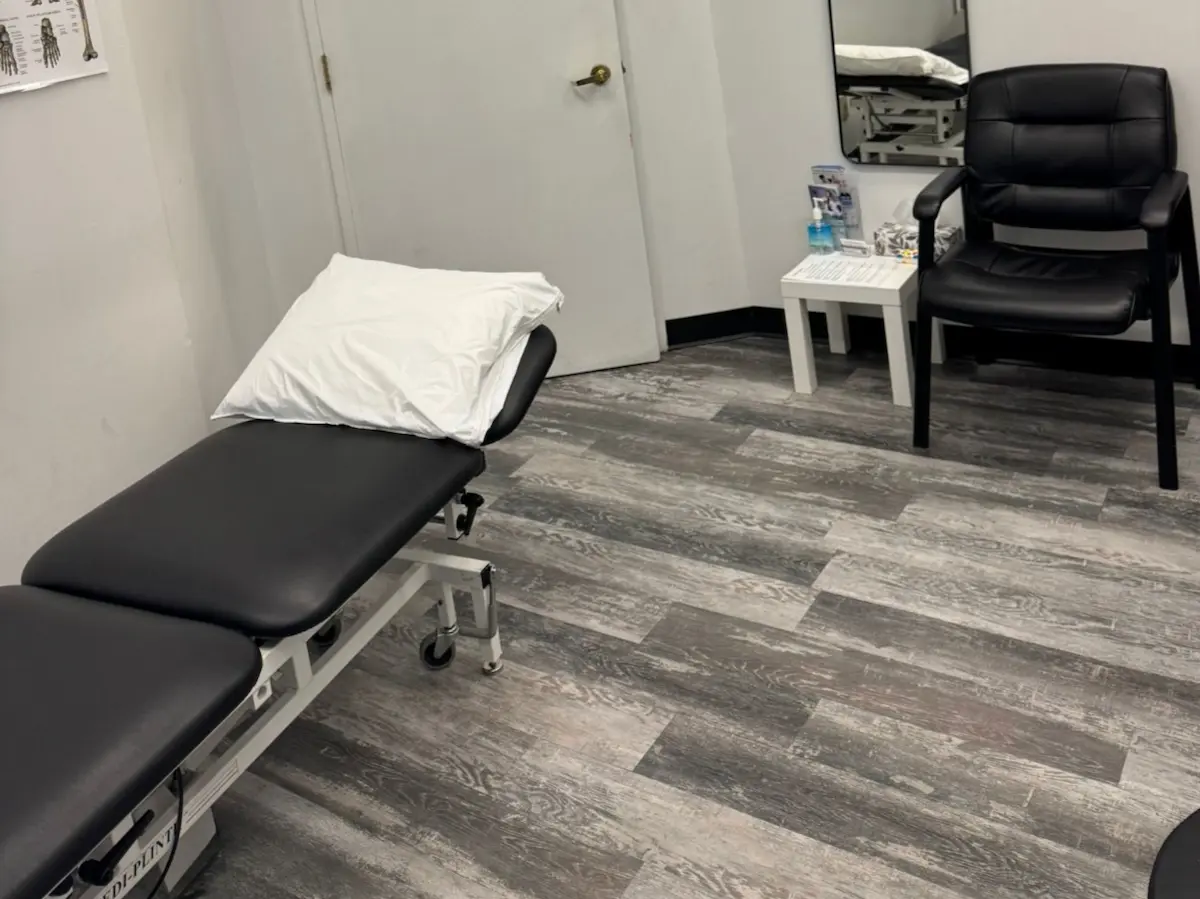
Treatment room in Local Clinic Ottawa

Looking for Physiotherapy in Ottawa? Here’s What Actually Matters

When people search for a physiotherapist, the first things they often look at are location, reviews, and appointment availability.

While these factors are important, they don’t always tell the full story.

The reality is that two clinics can offer the same service on paper while providing very different treatment experiences. Understanding what to look for can help you make a more informed decision and ultimately achieve better outcomes.

Start With Your Goals, Not Your Symptoms

Many patients begin their search by focusing only on pain.

However, physiotherapy is not simply about reducing discomfort. It’s about restoring function, improving movement, and helping people return to the activities that matter to them.

Whether your goal is to recover from a sports injury, return to work after surgery, improve mobility, or stay active as you age, your treatment plan should be tailored to those specific goals.

One-on-One Care Makes a Difference

One question many patients never ask is:

“How much time will I actually spend with my physiotherapist?”

In some settings, treatment sessions may involve multiple patients being seen simultaneously.

Individualized care allows for:

  • Detailed assessment
  • Ongoing progress monitoring
  • Exercise progression
  • Manual therapy when appropriate
  • Treatment modifications based on recovery

This level of attention can be especially valuable for orthopedic conditions and complex injuries.

A Thorough Assessment Matters

Effective treatment begins with understanding the underlying cause of the problem.

A physiotherapy assessment should examine:

  • Joint mobility
  • Muscle strength
  • Movement patterns
  • Functional limitations
  • Lifestyle factors

Pain is often only one part of the picture. A comprehensive assessment helps identify contributing factors that may be delaying recovery.

Experience in Orthopedic Rehabilitation

Orthopedic physiotherapy focuses on conditions affecting muscles, joints, tendons, ligaments, and nerves.

Common examples include:

  • Neck and back pain
  • Shoulder injuries
  • Knee pain
  • Sports injuries
  • Post-surgical rehabilitation

An experienced physiotherapist should be able to explain not only what is causing symptoms but also how treatment will help you progress toward your goals.

Recovery Is a Process

Patients often hope for a quick fix. However, lasting results usually require a combination of:

  • Education
  • Exercise therapy
  • Manual therapy
  • Movement retraining
  • Progressive loading

A physiotherapist should provide a clear plan so you understand what recovery is likely to involve.

Questions Worth Asking Before Booking

Before choosing a clinic, consider asking:

  • How long are treatment sessions?
  • Will I receive one-on-one care?
  • What experience do you have with my condition?
  • What will my treatment plan involve?
  • How will progress be measured?

The answers often provide more insight than online reviews alone.

Final Thoughts

Finding the right physiotherapist isn’t just about convenience. It’s about finding a practitioner who takes the time to understand your goals, assess the root cause of your concerns, and guide you through a structured recovery process.

When treatment is individualized and goal-focused, physiotherapy becomes much more than symptom management—it becomes a pathway back to the activities and lifestyle you enjoy.

Postpartum Physiotherapy Ottawa

Recovery After Childbirth: Why the 6-Week Checkup Isn’t Always the End of the Story

Many women are told that everything should return to normal after the six-week postpartum checkup. While this appointment is an important milestone, it does not always reflect how the body is functioning physically.

For some mothers, recovery progresses smoothly. For others, symptoms such as pelvic pressure, urinary leakage, lower back pain, abdominal weakness, or discomfort during exercise may continue for months after delivery. These symptoms are common, but they should not simply be accepted as part of motherhood.

Postpartum physiotherapy focuses on helping women recover safely and confidently after pregnancy and childbirth. Rather than treating symptoms in isolation, it evaluates how the pelvic floor, abdominal wall, breathing mechanics, posture, and movement patterns are working together. Research has shown that pregnancy and childbirth can contribute to pelvic floor dysfunction, urinary incontinence, pelvic pain, low back pain, and abdominal separation (diastasis recti), all of which can benefit from physiotherapy assessment and treatment. (Verywell Health)

Understanding What Happens to the Body After Childbirth

During pregnancy, the abdominal muscles stretch to accommodate a growing baby, while the pelvic floor muscles support increasing pressure from the uterus. During delivery, these tissues experience additional stress regardless of whether the birth was vaginal or by Caesarean section.

As a result, some women experience:

  • Urinary leakage when coughing, laughing, or exercising
  • Pelvic heaviness or pressure
  • Lower back or hip discomfort
  • Reduced core strength
  • Pain during intimacy
  • Difficulty returning to running or fitness activities

While these symptoms are often dismissed as “normal after having a baby,” they may indicate underlying pelvic floor or musculoskeletal dysfunction that can be assessed and addressed through physiotherapy.

The Pelvic Floor Is About More Than Kegels

One of the biggest misconceptions surrounding postpartum recovery is that every problem can be solved with Kegel exercises.

In reality, the pelvic floor is a complex group of muscles that must contract, relax, coordinate with breathing, and respond to movement demands throughout the day.

For some women, weakness is the issue. For others, excessive tension can be contributing to pain, pressure, or difficulty with bladder function. A physiotherapy assessment helps determine what your body actually needs rather than relying on a one-size-fits-all exercise approach.

The Importance of Core Rehabilitation

Many women focus on getting their abdominal muscles “back in shape” as quickly as possible. However, rushing into high-intensity workouts before rebuilding foundational strength can sometimes prolong symptoms.

Postpartum physiotherapy often includes:

  • Breathing retraining
  • Deep core activation
  • Pelvic floor coordination
  • Movement retraining
  • Progressive strengthening exercises

The goal is not simply to exercise more. The goal is to restore function so daily activities, lifting your child, returning to work, and participating in exercise become comfortable and sustainable.

Returning to Exercise Safely

One of the most common questions physiotherapists hear is:

“When can I start running again?”

The answer depends on how well your body is recovering.

Before returning to higher-impact activities, it is important to assess:

  • Pelvic floor function
  • Core stability
  • Single-leg balance
  • Load tolerance
  • Running mechanics

Addressing these factors early can reduce the risk of persistent symptoms and recurring issues later.

When Should You Seek Help?

Consider booking a physiotherapy assessment if you experience:

  • Urinary leakage
  • Pelvic heaviness or pressure
  • Persistent back or hip pain
  • Abdominal separation concerns
  • Pain during exercise
  • Difficulty returning to physical activity

Early intervention often leads to a smoother recovery and greater confidence during the postpartum period.

Final Thoughts

Every postpartum recovery journey is different. While some changes are expected after childbirth, ongoing discomfort, weakness, or bladder concerns should not simply be accepted as part of daily life.

Postpartum physiotherapy provides a personalized approach to recovery, helping women restore strength, improve function, and return to the activities that matter most with confidence.