Visit Us
2249 Carling Ave. Suite 201
Call Us
613-709-8001
Email Us
info@theratouchphysio.com
Opening Hours
Mon - Fri: 9 AM - 6:30 PM | Sat: 10 AM - 5 PM
Physiotherapist providing one-on-one rehabilitation care to a patient

One-on-One Physiotherapy vs Double Booking: Does It Really Affect Recovery?

When searching for a physiotherapy clinic, most people compare location, reviews, availability, or pricing. Very few stop to ask an equally important question:

Will my physiotherapist be treating only me during my appointment?

Many clinics schedule multiple patients at the same time—a practice commonly known as double booking. While this approach allows clinics to accommodate more appointments, it also means a therapist’s attention may be divided between several patients throughout a session.

On the other hand, one-on-one physiotherapy provides dedicated time focused entirely on a single patient.

Does this difference actually influence recovery?

The answer depends on your condition, treatment goals, and the type of rehabilitation required. Understanding how different treatment models work can help you make a more informed decision when choosing physiotherapy care.

What Is Double Booking?

Double booking occurs when a physiotherapist manages two or more patients during overlapping appointment times.

Typically, the therapist may:

  • Begin treatment with one patient.
  • Assign exercises or modalities.
  • Move to another patient.
  • Alternate attention throughout the appointment.

This model is common in many busy rehabilitation clinics and may be appropriate for certain straightforward cases or later stages of recovery where patients are performing independent exercises.

However, not every condition is suited to this style of care.

What Is One-on-One Physiotherapy?

One-on-one physiotherapy means your appointment is dedicated entirely to you.

Your physiotherapist remains focused on:

  • assessing progress
  • monitoring movement
  • modifying treatment techniques
  • answering questions
  • ensuring exercises are performed correctly
  • adapting the rehabilitation plan as needed

Rather than dividing attention between multiple patients, treatment evolves continuously throughout the session.

For conditions that require close observation or regular adjustments, this individualized approach can offer important advantages.

Recovery Isn’t Just About Completing Exercises

One of the biggest misconceptions about physiotherapy is that success depends only on performing exercises.

In reality, effective rehabilitation also depends on:

  • exercise quality
  • movement technique
  • progression timing
  • symptom monitoring
  • patient education
  • ongoing reassessment

Two people may perform the same exercise but experience very different outcomes depending on their movement patterns, strength, flexibility, and underlying condition.

Without regular feedback, incorrect technique may persist, limiting progress or even increasing discomfort.

Why Individualized Attention Matters

Every person arrives at physiotherapy with a different story.

A recreational runner recovering from knee pain has different rehabilitation needs than:

  • someone recovering after surgery
  • a new mother experiencing pelvic floor dysfunction
  • an office worker with persistent neck pain
  • an older adult working to improve balance and mobility

Even when two patients share the same diagnosis, their treatment plans may differ based on:

  • activity level
  • occupation
  • previous injuries
  • movement habits
  • personal goals
  • symptom severity

Dedicated appointments allow treatment to be adjusted according to these individual factors rather than following a standardized program.

The Importance of a Thorough Assessment

One of the strongest predictors of successful rehabilitation is not necessarily the treatment itself—it is the quality of the assessment that comes first.

A comprehensive physiotherapy assessment often includes:

  • detailed discussion of symptoms
  • movement analysis
  • strength testing
  • mobility assessment
  • functional testing
  • posture evaluation
  • lifestyle and activity review

These findings guide every recommendation that follows.

Without understanding why pain or dysfunction developed, treatment may focus only on managing symptoms rather than addressing the underlying cause.

Communication Is Part of Treatment

Many patients underestimate how valuable communication becomes during rehabilitation.

Questions often arise throughout recovery, such as:

  • “Is this discomfort normal?”
  • “Can I return to the gym?”
  • “Should I increase my walking?”
  • “Why does this exercise feel different today?”

Having uninterrupted time with your physiotherapist allows these concerns to be discussed as they happen.

Small adjustments made during a session can often improve exercise quality, increase confidence, and prevent unnecessary setbacks.

Different Conditions Require Different Levels of Attention

Not every patient requires the same level of supervision.

For example, someone progressing through a well-established strengthening program may require less hands-on guidance than a person experiencing:

  • persistent pelvic pain
  • dizziness or balance concerns
  • post-surgical rehabilitation
  • complex sports injuries
  • chronic back pain with movement restrictions

More complex conditions often benefit from closer observation because treatment frequently changes as the body responds.

Quality Over Quantity

Physiotherapy is not simply about the number of appointments attended.

The quality of each session plays a significant role in long-term recovery.

High-quality rehabilitation often includes:

  • personalized goal setting
  • regular reassessment
  • exercise progression
  • education about recovery
  • functional movement training
  • ongoing modification of treatment

This approach aims to improve not only pain levels but also strength, confidence, mobility, and long-term resilience.

What Should You Look for When Choosing a Physiotherapy Clinic?

Every clinic operates differently, so asking a few important questions before booking can help you choose care that matches your needs.

Consider asking:

  • Will my appointment be one-on-one?
  • How long is the initial assessment?
  • Will I see the same physiotherapist each visit?
  • Is my treatment plan personalized?
  • How will my progress be measured?
  • Will I receive exercises tailored to my condition?
  • How often is my rehabilitation plan reviewed?

These questions provide valuable insight into the overall treatment philosophy rather than focusing solely on convenience.

Choosing a physiotherapy clinic involves more than finding the nearest appointment or the shortest waiting time.

Understanding how care is delivered can significantly influence your rehabilitation experience.

Personalized, one-on-one physiotherapy provides dedicated time for assessment, education, treatment progression, and communication—allowing rehabilitation to evolve alongside your recovery rather than following a standardized approach.

For many individuals, that individualized attention becomes one of the most valuable parts of the recovery process.

At TheraTouch Physiotherapy, every appointment is dedicated to one patient at a time because rehabilitation deserves individual attention—not divided focus. Through comprehensive assessments, personalized treatment plans, evidence-based care, and ongoing progress monitoring, we help patients recover with confidence and return to the activities that matter most.

Book your assessment today and experience one-on-one physiotherapy designed around your goals, not just your symptoms.

Frequently Asked Questions

Is double booking always a bad thing?

Not necessarily.

Some clinics successfully use this model for patients who require less supervision or are completing independent exercise programs.

The most appropriate approach depends on the complexity of your condition and your rehabilitation needs.

Does one-on-one physiotherapy mean faster recovery?

Recovery depends on many factors, including the condition being treated, patient participation, overall health, and adherence to the rehabilitation plan.

However, dedicated appointments allow treatment to be individualized and adjusted more closely as recovery progresses.

How do I know if I need personalized rehabilitation?

If your symptoms have persisted, repeatedly returned, or are limiting your ability to work, exercise, or perform daily activities, a comprehensive assessment can help identify contributing factors and guide a treatment plan tailored to your goals.

Can personalized treatment help prevent future injuries?

Yes.

Identifying movement limitations, strength deficits, and biomechanical factors allows rehabilitation to focus not only on recovery but also on reducing the likelihood of future injuries.
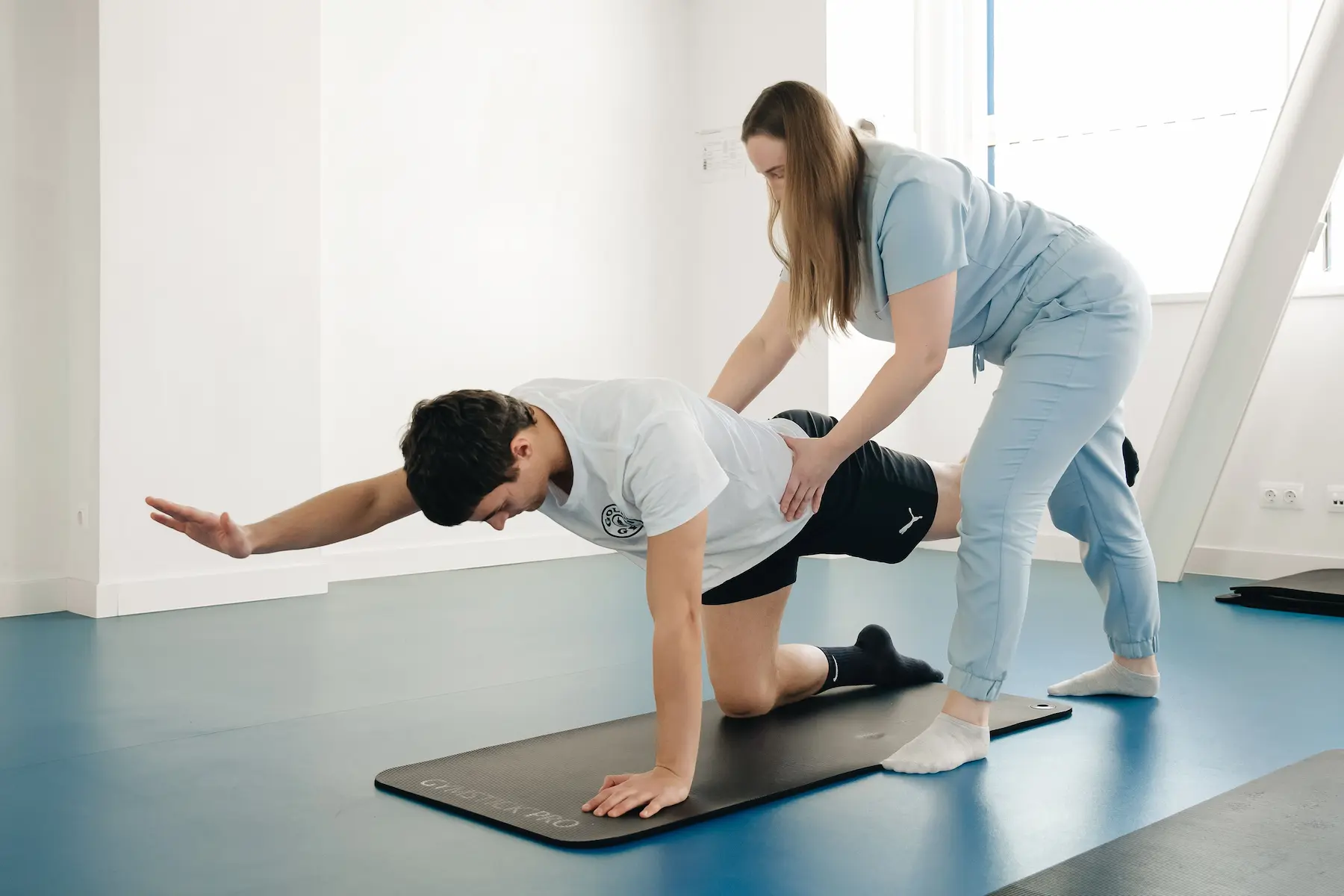

Pelvic floor physiotherapist guiding a patient through a rehabilitation exercise in Ottawa

Why Pelvic Floor Physiotherapy Doesn’t Work for Everyone — And What Actually Makes the Difference

When pelvic floor symptoms begin affecting everyday life, many people do exactly what they’re supposed to do—they seek treatment.

They might watch online exercise videos, try pelvic floor strengthening routines, download mobile apps, or even attend a few physiotherapy sessions.

Yet months later, some people are still living with bladder leakage, pelvic pain, pressure, discomfort during exercise, or ongoing postpartum symptoms.

This often leads to a frustrating question:

“Why isn’t pelvic floor physiotherapy working for me?”

The answer is rarely that physiotherapy itself doesn’t work.

More often, it’s because pelvic floor dysfunction is far more complex than simply strengthening a group of muscles.

Successful rehabilitation depends on understanding why symptoms developed in the first place and creating a treatment plan that addresses the individual’s specific needs rather than following the same program for everyone.

Pelvic Floor Dysfunction Is Different for Every Person

Although many people experience similar symptoms, the causes behind those symptoms can vary considerably.

Two individuals may both experience urinary leakage, yet require completely different treatment approaches.

One person may have weakened pelvic floor muscles following childbirth.

Another may have muscles that are overly tight and unable to relax properly.

Someone recovering from pelvic surgery may need gradual strength restoration, while another individual may primarily benefit from breathing retraining and movement coordination.

This is why effective rehabilitation begins with assessment rather than exercises.

Treating every patient with the same routine is similar to prescribing the same glasses to everyone regardless of their eyesight.

Stronger Isn’t Always Better

One of the biggest misconceptions surrounding pelvic floor health is that symptoms always indicate weakness.

In reality, pelvic floor muscles can become:

  • Weak
  • Tight
  • Overactive
  • Poorly coordinated
  • Fatigued
  • Unable to relax appropriately

Each of these situations requires a different treatment strategy.

For example, someone with an overactive pelvic floor may actually experience worsening symptoms if they repeatedly perform strengthening exercises without first improving muscle relaxation.

Modern pelvic health physiotherapy focuses on restoring normal function rather than simply increasing muscle strength.

Why Generic Exercise Programs Often Fall Short

Online resources have made pelvic health information more accessible than ever before.

While this is generally positive, it has also created the impression that pelvic floor dysfunction can be solved with a handful of exercises.

The reality is much more nuanced.

A generic exercise program cannot determine:

  • whether the muscles are activating correctly
  • whether breathing patterns are contributing to symptoms
  • whether hip or core muscles are compensating
  • whether movement habits are increasing pressure through the pelvic floor
  • whether another underlying condition is present

Without this information, even well-intentioned exercises may fail to produce meaningful improvement.

Assessment Is Where Recovery Really Begins

One of the biggest differences between short-term symptom management and long-term recovery is the quality of the initial assessment.

A comprehensive Pelvic Floor Physiotherapy Ottawa assessment should look beyond the symptoms themselves.

Depending on the individual’s comfort level and clinical needs, an assessment may include:

  • a detailed medical history
  • discussion of pregnancy or surgical history where relevant
  • breathing assessment
  • posture evaluation
  • movement analysis
  • hip and core strength testing
  • pelvic floor muscle function assessment
  • discussion of bladder and bowel habits
  • lifestyle factors affecting recovery

Rather than asking only “Where does it hurt?”, the assessment explores why the symptoms developed and what is preventing recovery.

Recovery Is More Than a Weekly Appointment

Successful rehabilitation doesn’t happen during one treatment session each week.

Instead, progress is created through the combination of:

  • education
  • guided exercise progression
  • movement retraining
  • home exercises
  • gradual return to activity
  • regular reassessment

Treatment evolves as symptoms improve.

Someone recovering after childbirth will not require the same program several weeks later.

Likewise, an active individual returning to running has different rehabilitation goals than someone hoping to comfortably return to everyday activities.

A personalized approach allows treatment to progress alongside recovery.

Why One-on-One Care Makes a Difference

Pelvic health concerns are often deeply personal.

Discussing bladder symptoms, pelvic pain, or postpartum recovery requires trust and open communication.

Dedicated one-on-one sessions provide the opportunity to:

  • ask questions comfortably
  • monitor progress closely
  • adjust exercises appropriately
  • address new concerns as recovery progresses
  • receive education specific to individual goals

This level of individualized attention helps ensure treatment remains relevant throughout the rehabilitation journey rather than relying on a standard program that may no longer match the patient’s needs.

Recovery Is Rarely Linear

Another reason some people become discouraged is the expectation that improvement should happen quickly.

Recovery often occurs gradually.

Some weeks may bring noticeable progress, while others focus on refining movement patterns, improving coordination, or increasing confidence with daily activities.

Temporary fluctuations don’t necessarily indicate that treatment isn’t working.

Instead, consistent progression, regular reassessment, and appropriate exercise modification help create sustainable long-term improvement.

Small Daily Habits Matter More Than Many People Realize

Treatment sessions are only one part of the recovery process.

Daily habits often influence outcomes just as much.

Simple changes can support rehabilitation, including:

  • avoiding prolonged straining
  • maintaining healthy bowel habits
  • staying physically active within comfortable limits
  • practicing prescribed exercises consistently
  • managing stress effectively
  • improving breathing patterns during movement

These seemingly small adjustments help reinforce the work completed during physiotherapy sessions.

When Should You Consider Pelvic Floor Physiotherapy?

Professional assessment may be beneficial if you experience:

  • bladder leakage during coughing, sneezing, or exercise
  • persistent pelvic pain
  • pressure or heaviness in the pelvic region
  • discomfort after pregnancy or childbirth
  • difficulty returning to exercise
  • bowel dysfunction
  • pain during intimacy
  • symptoms that continue despite trying exercises independently

Seeking advice early often allows contributing factors to be addressed before symptoms become more persistent.

Pelvic floor physiotherapy is not simply about performing a series of exercises—it is about understanding how your body functions as a whole.

The most successful treatment plans recognize that every individual presents with different symptoms, movement patterns, goals, and contributing factors.

When rehabilitation is built around a thorough assessment, individualized care, and evidence-based progression, patients are far more likely to achieve meaningful and lasting improvements.

If pelvic floor symptoms are affecting your confidence, comfort, or ability to enjoy everyday life, seeking professional guidance early can make a significant difference in your recovery journey.


At TheraTouch Physiotherapy, every pelvic health assessment is designed around you—not a generic treatment plan. Through one-on-one care, detailed assessment, and evidence-based rehabilitation, our team works to identify the underlying cause of your symptoms and create a personalized path toward recovery.

Book your Pelvic Floor Physiotherapy assessment today and take the first step toward lasting confidence and improved quality of life.

Frequently Asked Questions

Is pelvic floor physiotherapy only for women?

No. Although pregnancy and childbirth are common reasons women seek treatment, men can also experience pelvic floor dysfunction following surgery, persistent pelvic pain, or changes in bladder or bowel function.

Will I only be given Kegel exercises?

Not necessarily.

Treatment depends entirely on the assessment findings. Some individuals benefit from strengthening, while others require relaxation techniques, breathing retraining, mobility work, or coordination exercises before strengthening becomes appropriate.

How many sessions will I need?

Recovery varies depending on the underlying condition, symptom duration, personal goals, and how consistently the treatment plan is followed. Your physiotherapist will recommend a plan based on your assessment.

Can I continue exercising?

In many cases, yes.

Rather than avoiding activity completely, your physiotherapist can help modify exercise safely while supporting recovery.

Postpartum Physiotherapy Ottawa

Recovery After Childbirth: Why the 6-Week Checkup Isn’t Always the End of the Story

Many women are told that everything should return to normal after the six-week postpartum checkup. While this appointment is an important milestone, it does not always reflect how the body is functioning physically.

For some mothers, recovery progresses smoothly. For others, symptoms such as pelvic pressure, urinary leakage, lower back pain, abdominal weakness, or discomfort during exercise may continue for months after delivery. These symptoms are common, but they should not simply be accepted as part of motherhood.

Postpartum physiotherapy focuses on helping women recover safely and confidently after pregnancy and childbirth. Rather than treating symptoms in isolation, it evaluates how the pelvic floor, abdominal wall, breathing mechanics, posture, and movement patterns are working together. Research has shown that pregnancy and childbirth can contribute to pelvic floor dysfunction, urinary incontinence, pelvic pain, low back pain, and abdominal separation (diastasis recti), all of which can benefit from physiotherapy assessment and treatment. (Verywell Health)

Understanding What Happens to the Body After Childbirth

During pregnancy, the abdominal muscles stretch to accommodate a growing baby, while the pelvic floor muscles support increasing pressure from the uterus. During delivery, these tissues experience additional stress regardless of whether the birth was vaginal or by Caesarean section.

As a result, some women experience:

  • Urinary leakage when coughing, laughing, or exercising
  • Pelvic heaviness or pressure
  • Lower back or hip discomfort
  • Reduced core strength
  • Pain during intimacy
  • Difficulty returning to running or fitness activities

While these symptoms are often dismissed as “normal after having a baby,” they may indicate underlying pelvic floor or musculoskeletal dysfunction that can be assessed and addressed through physiotherapy.

The Pelvic Floor Is About More Than Kegels

One of the biggest misconceptions surrounding postpartum recovery is that every problem can be solved with Kegel exercises.

In reality, the pelvic floor is a complex group of muscles that must contract, relax, coordinate with breathing, and respond to movement demands throughout the day.

For some women, weakness is the issue. For others, excessive tension can be contributing to pain, pressure, or difficulty with bladder function. A physiotherapy assessment helps determine what your body actually needs rather than relying on a one-size-fits-all exercise approach.

The Importance of Core Rehabilitation

Many women focus on getting their abdominal muscles “back in shape” as quickly as possible. However, rushing into high-intensity workouts before rebuilding foundational strength can sometimes prolong symptoms.

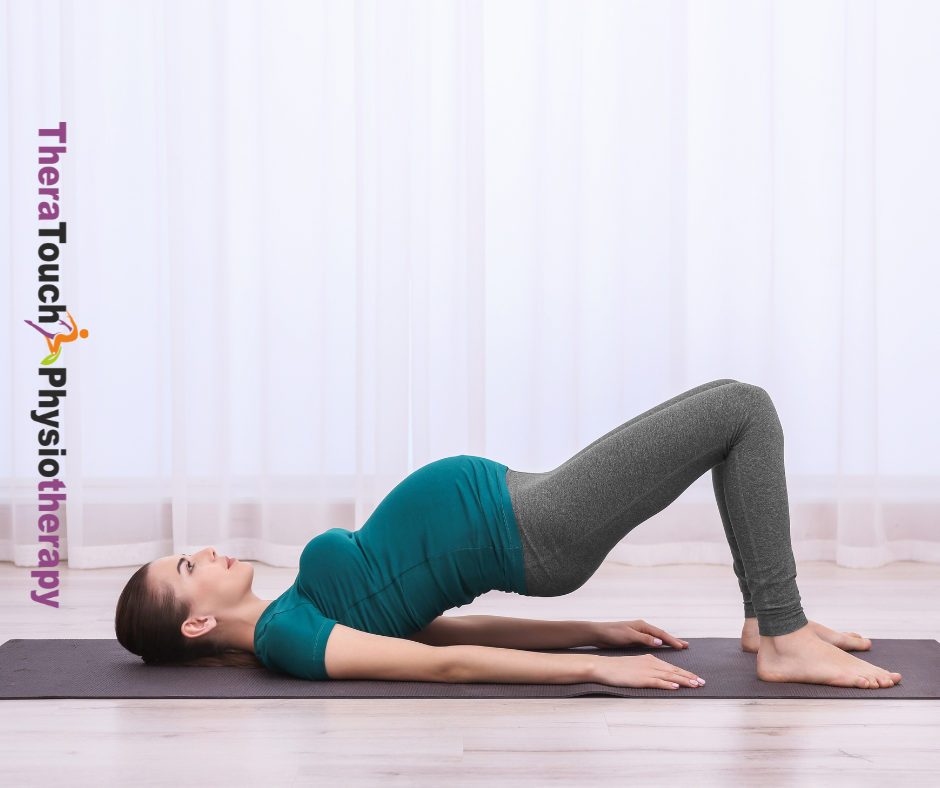
Postpartum physiotherapy often includes:

  • Breathing retraining
  • Deep core activation
  • Pelvic floor coordination
  • Movement retraining
  • Progressive strengthening exercises

The goal is not simply to exercise more. The goal is to restore function so daily activities, lifting your child, returning to work, and participating in exercise become comfortable and sustainable.

Returning to Exercise Safely

One of the most common questions physiotherapists hear is:

“When can I start running again?”

The answer depends on how well your body is recovering.

Before returning to higher-impact activities, it is important to assess:

  • Pelvic floor function
  • Core stability
  • Single-leg balance
  • Load tolerance
  • Running mechanics

Addressing these factors early can reduce the risk of persistent symptoms and recurring issues later.

When Should You Seek Help?

Consider booking a physiotherapy assessment if you experience:

  • Urinary leakage
  • Pelvic heaviness or pressure
  • Persistent back or hip pain
  • Abdominal separation concerns
  • Pain during exercise
  • Difficulty returning to physical activity

Early intervention often leads to a smoother recovery and greater confidence during the postpartum period.

Final Thoughts

Every postpartum recovery journey is different. While some changes are expected after childbirth, ongoing discomfort, weakness, or bladder concerns should not simply be accepted as part of daily life.

Postpartum physiotherapy provides a personalized approach to recovery, helping women restore strength, improve function, and return to the activities that matter most with confidence.

Chronic neck and shoulder pain physiotherapy assessment and treatment

Chronic Neck and Shoulder Pain: Why It Keeps Returning — And What Helps

Neck and shoulder pain is one of the most common complaints in modern life.

Long hours at a desk.
Poor sleep posture.
Stress that settles into the upper back.

For many people, the pain improves temporarily — then quietly returns.

Understanding why that happens is often the key to lasting relief.

Why neck and shoulder pain keeps coming back

Pain in this area is rarely random. It often builds over time due to:

  • Prolonged sitting or screen use
  • Forward head posture
  • Reduced upper back mobility
  • Weakness in deep stabilising muscles
  • Stress-related muscle tension
  • Previous unresolved injuries

When certain muscles work harder than they should, they become tight and overactive. Meanwhile, supporting muscles may become underactive.

Stretching can ease the tension temporarily — but without addressing strength and control, the cycle often continues.

The role of posture (and why it’s not the whole story)

Posture does matter — but it’s not about sitting perfectly all day.

It’s more about:

  • How long you stay in one position
  • Whether you move regularly
  • How strong your supporting muscles are

Sustainable relief usually involves improving mobility in the upper back and building endurance in the neck and shoulder stabilisers.

What physiotherapy focuses on

A structured physiotherapy assessment typically looks at:

  • Cervical spine mobility
  • Shoulder mechanics
  • Scapular control
  • Muscle activation patterns
  • Workstation habits

Treatment may include:

  • Manual therapy
  • Targeted mobility work
  • Strengthening exercises
  • Movement retraining
  • Load management strategies

The goal is not just to reduce pain — but to change the reason the pain keeps returning.

Where dry needling may help

For persistent muscle knots or trigger points, dry needling may be used as part of a broader plan.

It can help reduce abnormal muscle tension and improve movement quality — especially when combined with strengthening and posture correction strategies.

It’s typically one component of a structured rehabilitation approach rather than a standalone fix.

Signs it’s time for assessment

Consider a physiotherapy assessment if:

  • Your neck pain returns every week
  • You wake up with stiffness most mornings
  • Headaches are linked to upper neck tension
  • You feel tight even after stretching
  • Pain worsens during desk work

Early intervention often prevents minor tension from becoming chronic discomfort.

Building long-term comfort and control

Chronic neck and shoulder pain often responds well to a combination of mobility, strength, and movement retraining.

With a structured plan and gradual progression, many people find that recurring tension becomes less frequent — and daily tasks feel easier.

If you’re looking for more than temporary relief, physiotherapy can help address the underlying causes and support long-term improvement.

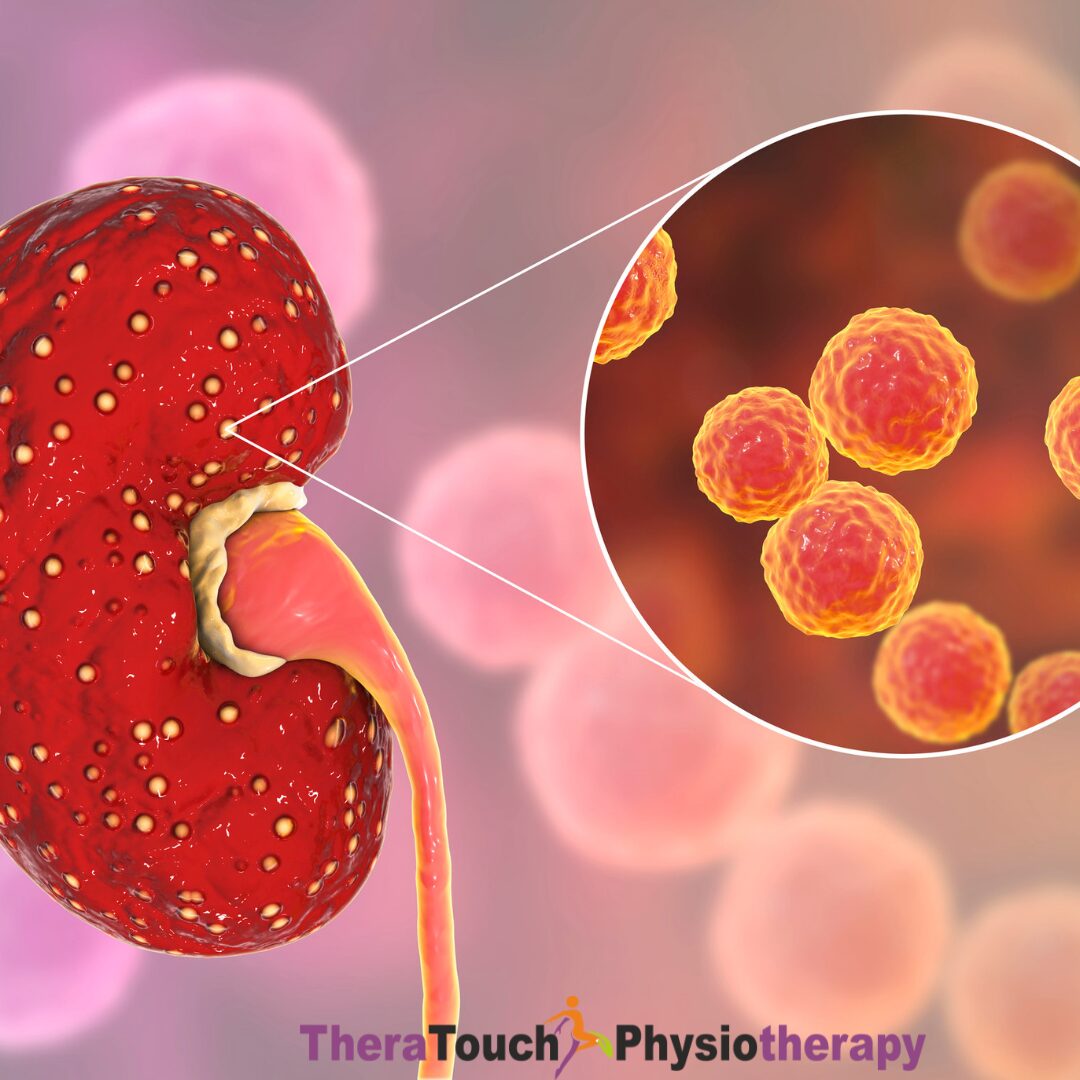
When It Feels Like a UTI but Isn’t

You feel a constant urge to pee. Sometimes it burns when you go, and sometimes the discomfort is just there, lingering like a dull ache in your lower abdomen. Naturally, your first thought is a urinary tract infection. You head to the doctor, get a urine test, and wait for the results. But they come back clean. No infection. No bacteria. Yet the pain hasn’t left. If this keeps happening to you, you’re not imagining it. That discomfort that feels exactly like a UTI but doesn’t respond to antibiotics may be coming from your pelvic floor muscles not your bladder.

The Real Source of the Discomfort

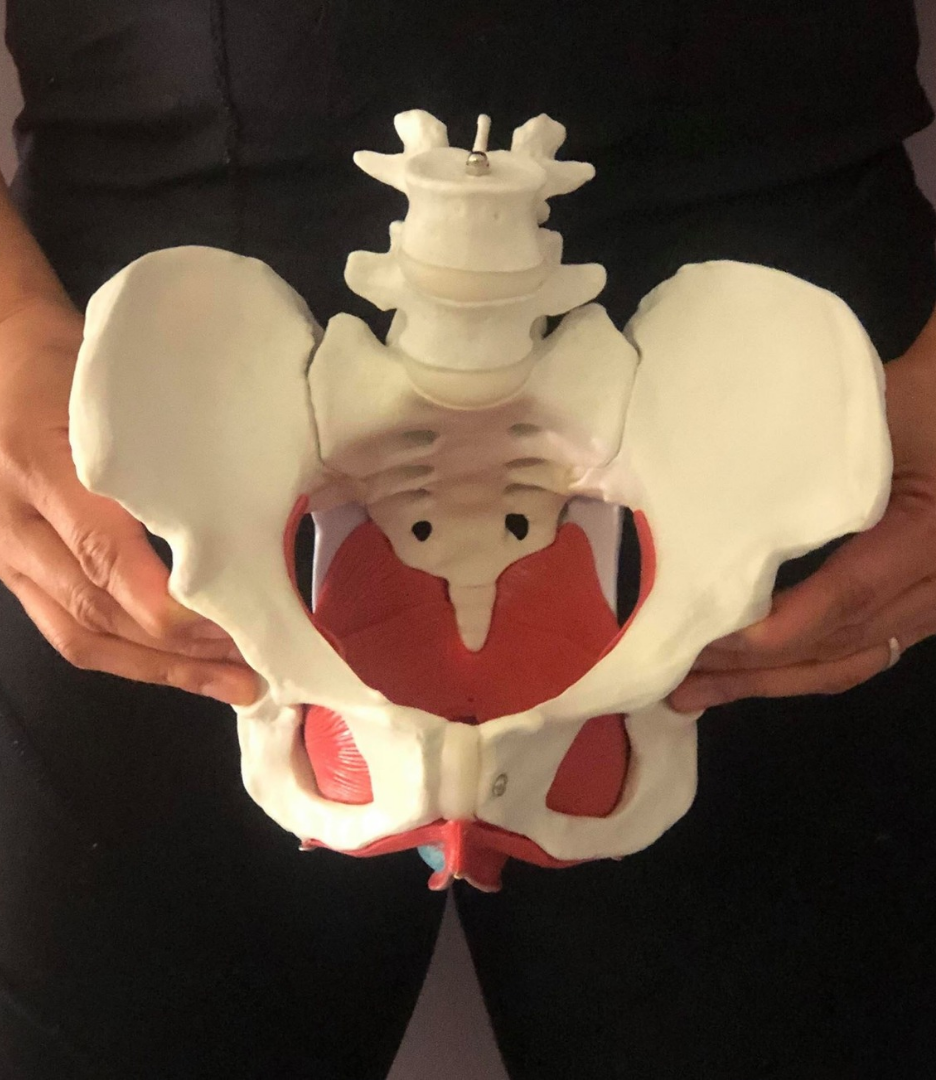
Your pelvic floor is a group of muscles located at the base of your pelvis. These muscles help support your bladder, bowel, and reproductive organs. They also play a major role in how your bladder functions. When your pelvic floor becomes too tight, overworked, or dysfunctional, it can irritate the nerves surrounding the bladder and urethra. This nerve irritation sends mixed signals to your brain, making your body feel like something is wrong with your urinary system even when there is no infection. You may feel like you constantly need to urinate, even right after you just did. You may feel burning or stinging during urination, pressure deep in the pelvis, or general discomfort that feels eerily like a UTI. But because there’s no bacterial infection to treat, antibiotics won’t help.

Why Antibiotics Aren’t Solving the Problem

If your tests consistently show no bacteria but you keep experiencing similar symptoms, pelvic floor dysfunction may be one possible contributor worth investigating. Your pelvic floor muscles might be holding too much tension or reacting to stress, past trauma, posture changes, or even past infections that left behind lingering hypersensitivity. In this case, no medication can ease the muscle tightness or correct the miscommunication between your nerves and bladder. That’s why antibiotics often fail to bring relief. If pelvic floor dysfunction is contributing to your symptoms, antibiotics alone may not address the underlying muscle tension or nerve sensitivity.

The Role of Pelvic Floor Physiotherapy

Pelvic floor physiotherapy gives you a clear, non-invasive path toward healing. During your sessions, your physiotherapist will assess how your pelvic muscles are functioning and how they may be contributing to your symptoms. You’ll learn how to release unnecessary tension, how to coordinate your muscles properly, and how to calm your nervous system’s hypersensitive response to normal bladder activity. Treatment may include breath work, gentle internal or external manual therapy, posture retraining, movement strategies, and exercises to improve pelvic blood flow and reduce nerve irritation. Over time, this helps reduce that false sense of urgency, relieves the burning sensations, and gives you back a sense of control and comfort.

Breaking the Cycle and Finding Relief

Living with ongoing UTI-like symptoms that don’t respond to medication can feel frustrating and confusing. You may start to doubt your own body or feel anxious every time you sense a twinge in your bladder. But you are not alone, and your pain is valid. Pelvic floor dysfunction is a common but often overlooked cause of this type of discomfort. The good news is that with the right guidance, it is also highly treatable. Physiotherapy doesn’t just mask the symptoms. It addresses the root cause, gently retrains your body, and helps you return to your normal routines without fear or discomfort. If you’re tired of cycling through antibiotics or being told that everything is “normal” when you still feel pain, pelvic floor physiotherapy may be the key to long-term relief.

Not Sure Why Your UTI-Like Symptoms Keep Returning?

If your urine tests are clear but urgency, burning, pelvic pressure, or discomfort keeps returning, a pelvic floor assessment may help identify whether muscle tension or coordination is contributing to your symptoms.

Polycystic Ovary Syndrome (PCOS) Awareness Month

September is PCOS Awareness Month, a time when we focus on understanding and supporting women who live with Polycystic Ovary Syndrome (PCOS). This month brings us together to raise awareness about PCOS, share knowledge, and offer comfort to those who navigate its challenges every day. By shining a light on PCOS, we can help women find the support they need to manage their symptoms and live full, healthy lives.

Understanding PCOS

PCOS is a condition that touches the lives of many women, though it’s often misunderstood. When you have PCOS, your body experiences a hormonal imbalance that can lead to various symptoms, from irregular periods and fertility issues to weight gain and skin changes. These symptoms can vary widely, making each woman’s experience with PCOS unique. Yet, despite how common it is, PCOS often goes undiagnosed, leaving many women feeling confused and isolated as they try to understand what’s happening to their bodies.

Early diagnosis makes a world of difference in managing PCOS. When you know what you’re dealing with, you can start taking steps to manage your symptoms and protect your long-term health. Doctors often diagnose PCOS by looking at your symptoms, checking hormone levels through blood tests, and sometimes using ultrasound to look at your ovaries. While there isn’t a cure for PCOS, there are many ways to manage it, allowing you to live well despite the challenges.

How Physiotherapy Can Help

Physiotherapy offers a gentle yet powerful way to manage the symptoms of PCOS. Many women with PCOS face challenges like weight gain, insulin resistance, and even chronic pain, particularly in the pelvic area. By working with a physiotherapist, you can address these issues head-on, improving your physical health and overall well-being.

When you have PCOS, staying active is incredibly important. Regular exercise helps manage your weight and improves how your body handles insulin, both of which are key to managing PCOS. A physiotherapist can help you develop a personalized exercise plan that fits your needs and respects the unique challenges you might face, like joint pain or fatigue. By focusing on exercises that build strength, improve flexibility, and boost cardiovascular health, you can take control of your symptoms in a way that feels empowering and achievable.

For those of you who experience pelvic pain, pelvic floor physiotherapy can offer significant relief. This specialized therapy focuses on strengthening and relaxing the muscles in your pelvic area, helping to reduce pain and improve your daily comfort. Whether you’re dealing with pain during your period, discomfort during exercise, or pain in your daily life, pelvic floor physiotherapy can help you find relief and feel more in tune with your body.

Beyond the physical benefits, physiotherapy also supports your emotional well-being. Dealing with a chronic condition like PCOS can feel overwhelming, but regular sessions with a physiotherapist provide a safe and supportive space to focus on your health. This dedicated time helps you feel more in control, which can lift your spirits and reduce the stress that often comes with managing a chronic condition.

Overcoming the Challenges of PCOS

Living with PCOS isn’t easy, and it’s okay to acknowledge that. The symptoms can be tough to manage, and the emotional toll can be heavy. But you don’t have to face it alone. PCOS Awareness Month reminds us all that there is a community of support out there, ready to offer understanding, advice, and encouragement.

If you’re feeling overwhelmed by your symptoms, reaching out for support can make all the difference. Whether it’s talking to your healthcare provider, joining a support group, or connecting with others who understand what you’re going through, these connections can help you feel less isolated and more empowered to manage your condition.

The Power of Awareness and Advocacy

By raising awareness about PCOS, we can create a world where women with PCOS feel seen, supported, and understood. Advocacy during this month isn’t just about education; it’s about creating real change—pushing for more research, better healthcare services, and policies that support women’s health.

When we talk openly about PCOS, we help to break down the stigma and misinformation that so often surrounds it. We make it easier for women to seek help, to ask questions, and to take control of their health. And we remind everyone that managing PCOS is not just about surviving, it’s about thriving.

PCOS Awareness Month is our chance to come together and show women with PCOS that they are not alone. With the right support and knowledge, you can manage your symptoms, reduce your health risks, and live a full, vibrant life. Physiotherapy is just one of the many tools available to help you on this journey, offering comfort, relief, and a path to better health. This month, let’s celebrate the strength and resilience of every woman living with PCOS and commit to building a world where every woman can access the care and support she deserves.

Are Kegels Right For Me?

On our last blog for this series, we will be talking about why Kegels might not be right for you yet. When it comes to enhancing pelvic floor health, Kegel exercises are often the go-to recommendation. These exercises, named after Dr. Arnold Kegel, are intended to strengthen the pelvic floor muscles. While they can offer numerous benefits, they might not be suitable for everyone. Before you start incorporating Kegels into your routine, it’s important to understand why they might not be the best choice for you at this time.

What Are Kegel Exercises?

Kegel exercises involve contracting and relaxing the pelvic floor muscles, which support essential organs such as the bladder, uterus, and rectum. They are commonly suggested to improve bladder control, reduce the risk of pelvic organ prolapse, and boost sexual health. However, not every pelvic floor needs strengthening. In some situations, Kegels might actually worsen existing problems.

Existing Pelvic Floor Dysfunction

If you have pelvic floor dysfunction, doing Kegels could aggravate your condition. Pelvic floor dysfunction can show up as muscle tightness, weakness, or both. If your muscles are already overly tense or tight, adding more tension through Kegels could lead to increased discomfort or pain.

Chronic Pelvic Pain

Chronic pelvic pain is a complex issue that can be influenced by various factors, including muscle tension. If you suffer from chronic pelvic pain, Kegels might not be appropriate because they could intensify your pain. Focusing on relaxation techniques and other therapies might be more beneficial for managing this condition.

Difficulty with Muscle Relaxation

Kegel exercises require both contraction and relaxation. If you have difficulty fully relaxing your pelvic floor muscles, Kegels could create further imbalance. A healthy pelvic floor needs a proper balance between muscle contraction and relaxation.

Incorrect Technique

Incorrectly performing Kegels can also be counterproductive. Many people unknowingly engage the wrong muscles, such as the buttocks, thighs, or abdomen, instead of the pelvic floor muscles. This can lead to ineffective results and potential muscle strain.

Unidentified Underlying Conditions

Before starting any exercise regimen, it’s vital to rule out underlying conditions that might be contributing to your pelvic floor issues. Conditions like interstitial cystitis, endometriosis, or pelvic pain require specific treatment approaches. Kegels alone might not address these underlying problems and could potentially cause more harm.

Alternative Approaches

If Kegels aren’t right for you, don’t worry, there are alternative approaches that might be more suitable. Working with a pelvic floor physical therapist can help you identify the specific issues affecting your pelvic floor health. A therapist can guide you through personalized exercises and techniques tailored to your condition, ensuring you’re targeting the right muscles and using proper form.

Manual Therapy: A Hands-On Approach

In addition to alternative exercises and techniques, manual therapy is a valuable component of pelvic floor physiotherapy. This hands-on approach involves a therapist using their hands to manipulate muscles, tissues, and joints, providing targeted relief from pain and discomfort. Techniques like soft tissue mobilization, myofascial release, and trigger point therapy can help alleviate tension, improve circulation, and promote healing. Manual therapy can be particularly beneficial for addressing issues such as pelvic pain, incontinence, and painful intercourse, offering a personalized and effective treatment option for those who may not benefit from Kegels.

Breathing and Relaxation Techniques

Incorporating breathing exercises and relaxation techniques can help alleviate tension in the pelvic floor muscles. Practices such as diaphragmatic breathing, progressive muscle relaxation, and yoga can promote overall pelvic floor health.

Biofeedback

Biofeedback is a technique that uses sensors to monitor muscle activity. By providing real-time feedback, it can help you learn how to control and relax your pelvic floor muscles more effectively. This method is often used in conjunction with physiotherapy.

Lifestyle Modifications

Sometimes, simple lifestyle changes can have a significant impact on pelvic floor health. Maintaining a healthy weight, staying hydrated, and practicing good bathroom habits can support pelvic floor function and reduce the risk of issues.

Listen to Your Body

Listening to your body is crucial when it comes to pelvic floor health. Kegels might be beneficial for some, but they’re not a one-size-fits-all solution. Understanding your specific needs and seeking professional guidance can help you find the right approach to improve your pelvic floor health. Always consult with a healthcare provider or a pelvic floor specialist before starting any new exercise regimen to ensure it’s the right fit for you.

Your journey to better pelvic floor health is unique. Finding the right path will make all the difference in achieving your goals.

I hope you enjoyed this series and found it both insightful and educative. For all your inquiries and questions, book a consultation with TheraTouch Physiotherapy.

What Are Kegel Exercises & How Do I Do Them?

We are introducing a mini Kegel series on our blog. This week we talk about what Kegels are and how to do them. Enjoy!

Kegel exercises can help strengthen the pelvic floor muscles when performed correctly and when appropriate for your individual needs. They may support bladder control, pelvic organ support, and sexual health in both women and men. Whether you’re new to Kegels or looking to improve your technique, this guide covers what you need to know.

Understanding the Pelvic Floor Muscles

Your pelvic floor muscles form a supportive hammock for your bladder, uterus (for women), and rectum. Strengthening these muscles can provide important health benefits, but not every pelvic floor condition requires strengthening. Pelvic floor physiotherapy can help determine whether your muscles need strengthening, relaxation, or improved coordination before starting an exercise program.

Benefits of Kegel Exercises

Kegel exercises significantly enhance your health by strengthening your pelvic floor muscles. If you’re a woman, you’ll notice improved bladder control, preventing the inconvenience of urinary incontinence. By maintaining the integrity of your pelvic floor, you’ll reduce the risk of pelvic organ prolapse, where organs like your bladder or uterus can descend into the vaginal area. Additionally, stronger pelvic muscles will enhance your sexual health and satisfaction by increasing vaginal tone and sensation, which can elevate your overall sexual experience.

For men, Kegel exercises offer similar benefits. You’ll find improved bladder control and prevention of urinary incontinence, which becomes crucial as you age or after prostate surgery. These exercises support your recovery post-surgery by strengthening your pelvic floor muscles, helping restore your urinary function more quickly and efficiently. Additionally, you’ll experience enhanced sexual health, as Kegels can address erectile dysfunction and improve ejaculation control. Strengthening your pelvic floor improves blood flow to your genital area, leading to stronger erections and greater sexual satisfaction.

Identifying Your Pelvic Floor Muscles

Finding the right muscles is crucial for effective Kegel exercises. You can identify them by stopping urination midstream. Only do this to locate the muscles, not regularly. Another method is to tighten the muscles that prevent you from passing gas.

How to Do Kegel Exercises

Step 1: Choose a comfortable position—sitting, standing, or lying down works well.

Step 2: Tighten your pelvic floor muscles (pretending to stop your urine mid stream), holding the contraction for about 3-5 seconds. Ensure you’re not tightening your abdominal, thigh, or buttock muscles.

Step 3: Release the contraction and relax for 3-5 seconds. The relaxation phase is just as important as the contraction.

Step 4: Aim for at least 10 repetitions, three times a day. As your muscles strengthen, gradually increase the duration of contractions and the number of repetitions.

Tips for Effective Kegel Exercises

Consistency is key. Integrate Kegel exercises into your daily routine—whether brushing your teeth, watching TV, or sitting at your desk. Avoid overworking your muscles, as this can lead to fatigue. Remember to breathe normally throughout the exercises, avoiding holding your breath.

Common Mistakes to Avoid

Using the wrong muscles can hinder progress. Ensure you’re only tightening your pelvic floor muscles, not your abdomen, thighs, or buttocks. Don’t skip the relaxation phase between contractions. Consistency is essential; make Kegels a regular part of your routine to see results.

Advanced Kegel Exercises

Once you’re comfortable with the basics, try more advanced techniques. Long hold Kegels involve gradually increasing the duration of each contraction to 10 seconds. Quick flicks, where you quickly contract and relax your pelvic floor muscles, help improve muscle endurance. For a challenge, imagine your pelvic floor as an elevator, lifting your muscles to different “floors” and holding at each level before gradually lowering them back down.

Kegel exercises are a simple yet effective way to strengthen your pelvic floor muscles, offering numerous health benefits. By incorporating these exercises into your daily routine, you can improve bladder control, reduce the risk of pelvic organ prolapse, and enhance sexual health. Consistency and proper technique are key to seeing results. Start today and take control of your pelvic health!

Start integrating Kegel exercises into your daily routine and experience the benefits. If you have any questions or need further guidance, don’t hesitate to reach out. Your pelvic health is important, and these small steps can make a big difference in your overall well-being.

Take the Next Step Toward Better Pelvic Health

Kegel exercises are an excellent way to improve pelvic floor strength, bladder control, and overall pelvic health—but they’re most effective when performed correctly. If you’re experiencing urinary leakage, pelvic pain, pelvic organ prolapse symptoms, or you’re unsure whether Kegel exercises are right for you, a professional assessment can make all the difference.

At TheraTouch Physiotherapy, our experienced pelvic floor physiotherapists provide one-on-one assessments and personalized treatment plans tailored to your unique needs. We’ll help you determine whether your pelvic floor muscles need strengthening, relaxation, or a combination of both so you can achieve lasting results safely and confidently.

Ready to take control of your pelvic health? Contact TheraTouch Physiotherapy today or book your pelvic floor physiotherapy assessment online and let our team help you move with confidence.

Frequently Asked Questions

How long does it take for Kegel exercises to work?

With regular practice, many people notice improvements in bladder control and pelvic floor strength within 4 to 8 weeks. Results vary depending on your condition and whether the exercises are performed correctly.

Can you do Kegel exercises every day?

Yes. Kegel exercises are generally safe to perform daily. However, it’s important not to overwork the muscles and to allow them to fully relax between contractions.

Can Kegel exercises make symptoms worse?

In some cases, yes. If your pelvic floor muscles are already too tight, strengthening exercises may increase discomfort or worsen symptoms. A pelvic floor physiotherapy assessment can determine the most appropriate treatment for you.

Are Kegel exercises only for women?

No. Men can also benefit from Kegel exercises, particularly for improving bladder control, supporting recovery after prostate surgery, and enhancing pelvic floor function.

When should I see a pelvic floor physiotherapist?

If you’re experiencing urinary leakage, pelvic pain, pelvic heaviness, constipation, painful intercourse, or you’re unsure whether you’re performing Kegel exercises correctly, it’s a good idea to schedule an assessment with a pelvic floor physiotherapist.

What is diastasis recti and how can I treat it?

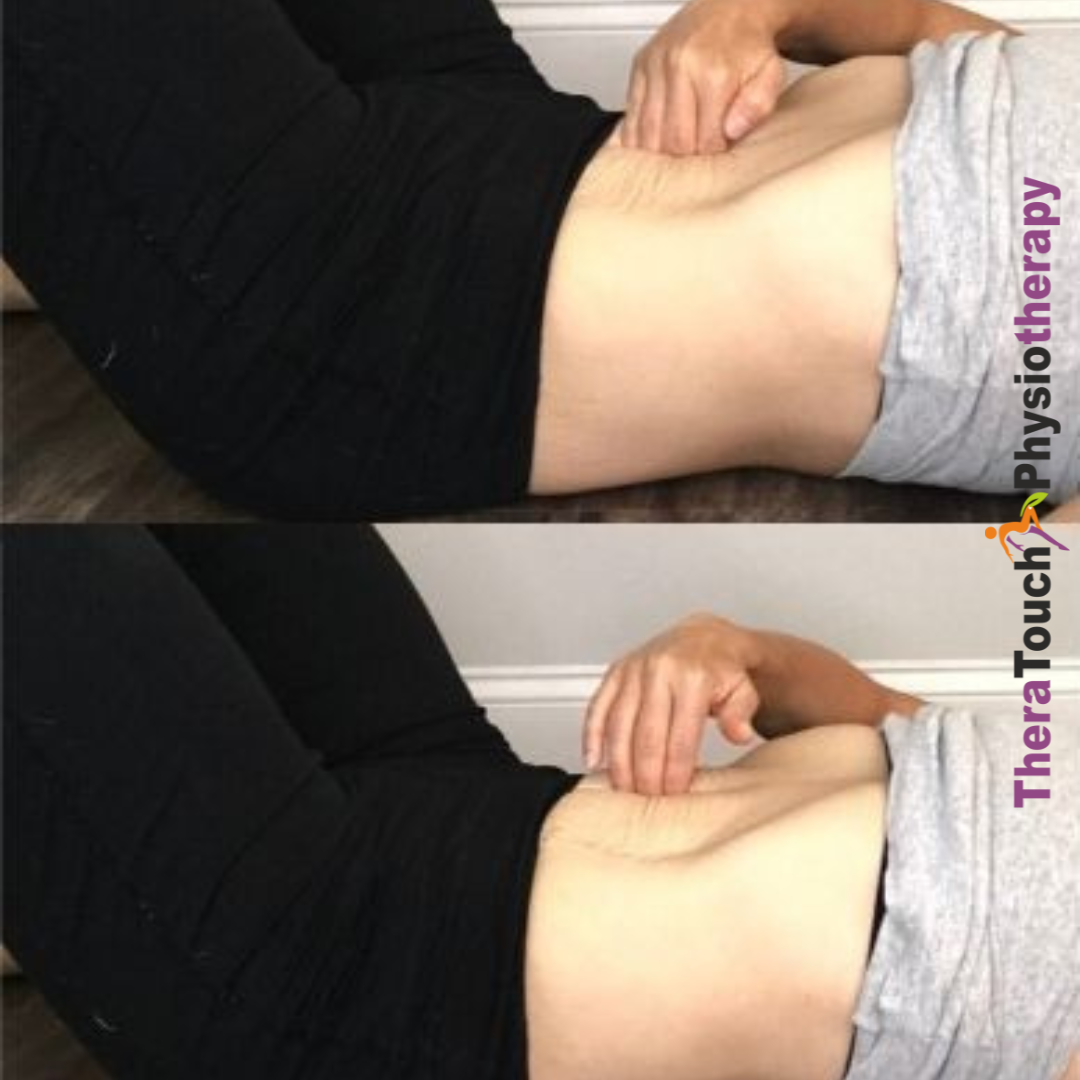
Every July around the world, we focus on Diastasis Awareness Month to shed light on diastasis recti, a condition where the abdominal muscles separate due to various factors. Often caused by pregnancy or significant weight gain, this separation leads to a protruding belly, lower back pain, and weakened core strength. These symptoms can disrupt daily activities and affect your overall well-being.

Recognizing the Symptoms

Catching diastasis recti early is vital for effective treatment. We all know early detection saves lives. Getting an early diagnosis from a healthcare professional, like a pelvic health physiotherapist, can lead to better outcomes and quicker recovery. These are some of the widely known symptoms;

Abdominal Bulge: This is the notice of a bulge or ridge running down your midline, especially when straining your muscles.

Lower Back Pain: Having a persistent lower back discomfort might indicate a weakened core this is normally associated with diastasis recti.

Difficulty with Core Exercises: Struggling with core-strengthening exercises can also be a red flag.

Steps to Manage and Heal Diastasis Recti

Taking proactive steps when diagnosed can make a big difference in managing diastasis recti. Here’s how to you can do this:

Educate Yourself: Understand diastasis recti by learning about its causes, symptoms, and treatments. Knowledge equips you to make informed decisions about your care.

Work with a Pelvic health physiotherapist: A pelvic health physiotherapist will design a personalized exercise plan to strengthen your core without worsening the separation.

Avoid High-Pressure Activities: Make sure to steer clear of heavy lifting and intense core exercises that increase abdominal pressure and could make the separation worse.

Maintain Good Posture: Having good posture reduces strain on your abdominal muscles and supports healing. Pay attention to your alignment throughout the day.

Wear Supportive Garments: Using an abdominal binder or support band can provide much-needed stability and comfort during recovery.

The Vital Role of Pelvic health physiotherapist

Pelvic health physiotherapist is essential for treating diastasis recti as they are expect on all matters pelvic floor dysfunction. Pelvic health physiotherapist focus on:

Core Strengthening: Participating in gentle exercises like pelvic tilts, modified planks, and deep abdominal breathing help you rebuild core strength.

Improving Posture: Pelvic health physiotherapists will teach you how to maintain proper alignment, which reduces stress on your abdomen and alleviates pain.

Gentle Recovery Exercises: Practicing safe exercises encourage muscle recovery without adding stress. These techniques gradually help bring your muscles back together.

Raising Awareness

Spreading awareness about diastasis recti is crucial. Many people don’t know about this condition or its impact. By using social media, hosting community workshops, and partnering with healthcare providers, we can educate the public and clear up misconceptions. Increased awareness leads to earlier diagnoses and better treatment options, improving many lives.

Supporting Those Affected

Supporting those with diastasis recti makes a huge difference. Here’s how you can help:

Share Information: You can provide accurate details about symptoms, treatment options, and recovery strategies.

Offer Emotional Support: Encourage open conversations among your friends and community to reduce stigma and isolation. Listening and offering empathy can be incredibly helpful. Let people know you are always there for them.

Join Support Groups: Connecting with others who share similar experiences provides valuable advice and encouragement. Misery loves company and so does people. Form a support group if you can.

Celebrating Strength and Recovery

Diastasis Recti Awareness Month is a time to celebrate the strength and resilience of those affected. Their recovery journeys inspire us all. By raising awareness, offering support, and advocating for better care, we can positively impact many lives.

Let’s use this month to educate, support, and inspire action towards a world where diastasis recti is well-understood and effectively treated. Together, we can ensure that diastasis recti no longer hinders anyone from living a healthy, active life. Spread love and kindness whenever you get a chance.

5 Signs That You Should See A Pelvic Floor Physiotherapist

Hello there! Let’s take a moment to discuss a crucial aspect of our health, our pelvic floor and when to see a pelvic floor physiotherapist. Sometimes, our bodies send us subtle signals that something might be off, and it’s important to pay attention to those hints. If you’ve ever wondered whether it’s time to see a pelvic floor physiotherapist, here are five clear signs that it might be time to book that appointment. Let’s dive in!

No. 1 When you have leaks while sneezing, coughing, or laughing

Ever been in the middle of a hearty laugh or a big sneeze, only to find yourself frantically trying to hold things together? If you’re dealing with unexpected leaks when you sneeze, cough, or laugh, you might be experiencing what’s known as stress urinary incontinence. This happens when your pelvic floor muscles can’t quite keep up with the pressure of everyday activities. But don’t worry, there’s help! A pelvic floor physiotherapist can work with you to strengthen these muscles through specialized exercises.0 With their guidance, you can build up your muscle strength and regain that feeling of control, so you can sneeze or laugh without a second thought.

No.2 When you experience uncontrollable gas or pelvic noises

Have you ever been in a quiet setting and heard an unexpected noise from your pelvic area? These little sounds can be more than just awkward and embarrassing; they can signal that your pelvic floor muscles aren’t working in harmony like they should. This is where a pelvic floor physiotherapist comes in. They’ll help you get to the root of the issue with techniques designed to improve muscle coordination and control. You will be learning techniques to manage those noises.

No.3. When You Feel a Heaviness or Pressure in your Pelvic area.

Imagine this: you’ve been on your feet for a while, or you’ve just gone for a long walk, and you start to feel a strange heaviness or pressure in your pelvic area. This feeling can be more than just a nuisance; it could be a sign of pelvic organ prolapse. This happens when the pelvic organs start to descend because the pelvic floor muscles are too weak to support them. A pelvic floor physiotherapist can offer you targeted exercises to help strengthen those muscles and alleviate the pressure you’re feeling. They might also introduce you to tools like a pessary or suggest lifestyle adjustments. 

No.4. When Intimacy Feels More Painful Than Pleasurable

Intimacy should be a source of joy and connection, but if you’re experiencing pain during sex, it’s a sign that something might be wrong with your pelvic floor. This condition, known as dyspareunia, means your pelvic floor muscles might be too tight or not functioning as they should. A pelvic floor physiotherapist can help you navigate this sensitive issue with compassion and expertise. They’ll teach you relaxation exercises and stretches specifically designed to ease muscle tension. Additionally, they offer valuable insights into pelvic floor health and provide strategies to make intimacy a more enjoyable experience.

No.5. Rapid Bathroom Breaks 

Do you find yourself spending more time in the bathroom than you’d like? Whether it’s frequent trips to the toilet, struggling with constipation, or feeling like you can never fully empty your bladder, these issues are often signs of pelvic floor dysfunction. A pelvic floor physiotherapist is your go to expert for addressing these bathroom troubles. They’ll work with you to develop a customized plan that might include exercises for strength, bladder training techniques, and dietary advice to improve your symptoms. With their help, you can get your bathroom routine back on track and feel more at ease.

Your pelvic floor plays a vital role in your overall health and well-being. If any of these signs resonate with you, it might be time to reach out to a pelvic floor physiotherapist. They’re here to help you strengthen, heal, and regain control so you can enjoy life to the fullest. Listen to your body and take that first step toward a more comfortable and confident you!

If you are looking for a good pelvic floor physiotherapist, TheraTouch Physiotherapy is committed to helping you on your journey to pelvic wellness. It is located at 2249 Carling Avenue, Suite 201, on the second floor of the Carling Corporate Centre, conveniently close to Carlingwood Shopping Centre.