
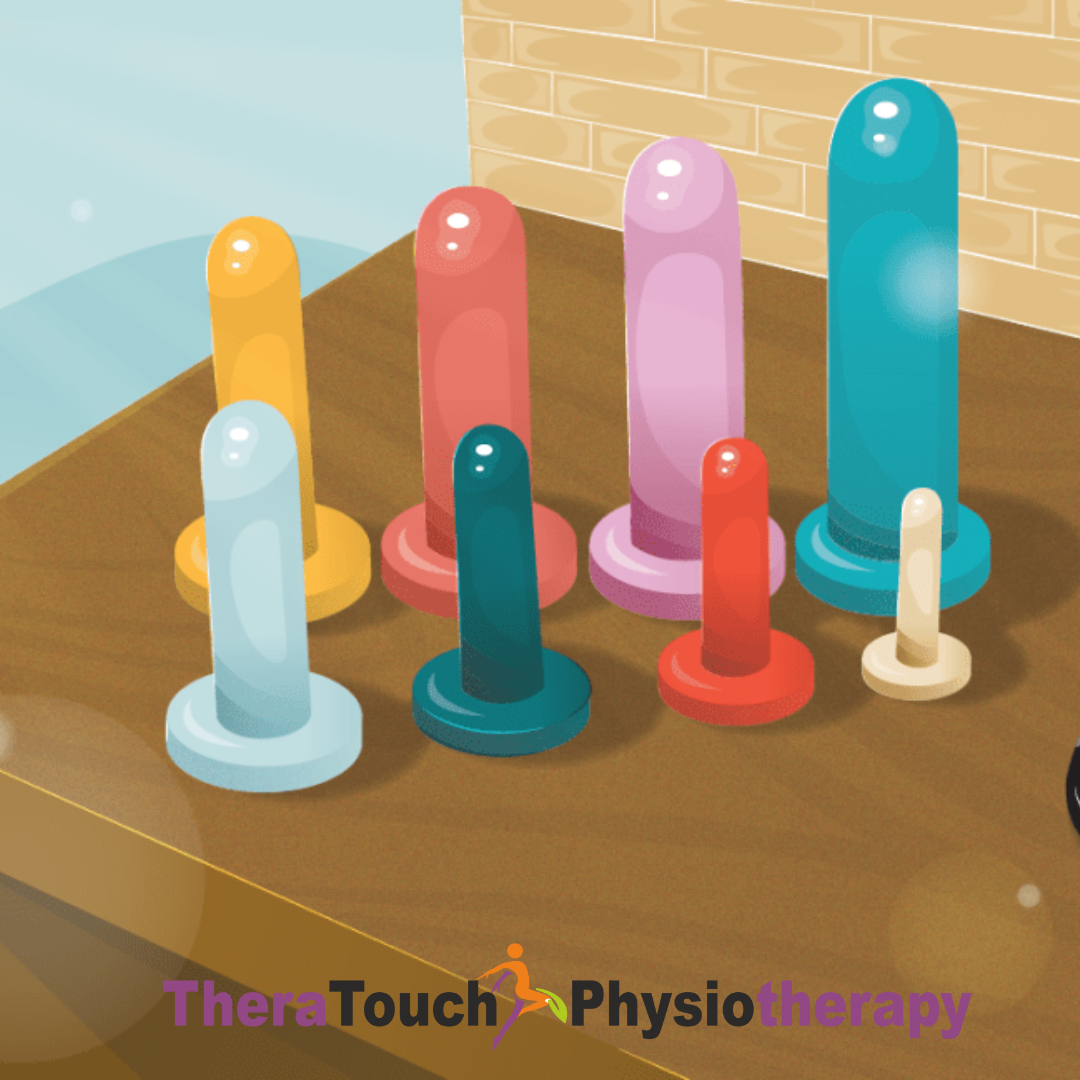
Vaginal Dilators: When and How to Use
Hello everyone,
Today, I want to share some insights about a crucial tool that can make a significant difference for many women across the globe experiencing vaginismus or dyspareunia (painful sex), I present to you Vaginal Dilators. These conditions can be distressing and have a profound impact on one’s quality of life, but with the right approach, there’s hope for improvement.
Understanding Vaginismus and Dyspareunia
Vaginismus is a condition where the muscles around the vagina involuntarily tighten, making penetration painful or impossible. This can occur due to various reasons, including anxiety, past trauma, or even without an apparent cause.
Dyspareunia is often referred to as persistent or recurrent pain during intercourse. This can stem from various physical or psychological factors, including infections, hormonal changes, or muscle spasms.
Both conditions can lead to significant physical discomfort and emotional distress, making it essential to find effective ways to manage and treat them.
How Vaginal Dilators Help You
Vaginal dilators are smooth, cylindrical devices designed to be inserted into the vagina to help stretch and desensitize the vaginal muscles. They come in various sizes, typically made of medical-grade plastic or silicone. The goal is to start with a small dilator and gradually move to larger sizes as your comfort increases, helping to reduce pain and improve muscle flexibility.
How to Use Vaginal Dilators
When you’re ready to start using vaginal dilators, it’s important to choose the right one. Begin with the smallest dilator in the set. It should be easy to insert without causing significant pain, and ensure it’s made from a body-safe material like medical-grade silicone.
First things first, preparation is key. Find a quiet, comfortable space where you feel relaxed and unhurried. Wash your hands and the dilator with warm water and mild soap to maintain hygiene.
Next, apply a generous amount of water-based lubricant to the dilator and your vaginal opening. This will help ease insertion and reduce friction. Once you’re ready, lie down in a comfortable position, such as on your back with your knees bent and legs apart. Some people find a semi-sitting position or lying on their side to be more comfortable.
Remember to take deep breaths to help relax your pelvic muscles. Practicing mindfulness or relaxation exercises beforehand can also be beneficial.
Now you gently insert the dilator into your vagina. If you feel resistance or pain, stop and try to relax your muscles further. It’s okay to take breaks and go slowly. The goal is to avoid causing discomfort.
Use the dilator for about 10-15 minutes each day. As you become more comfortable, gradually increase the size of the dilator. Don’t rush the process.
Only move to the next size only when you feel ready and the current size is comfortable. Regular use is key to seeing progress. Consistency helps in gradually desensitizing the vaginal muscles and reducing involuntary tightening.
Do Vaginal Dilators Really Work?
The short answer: yes, for most people, when used consistently and with the right guidance. Dilator therapy is one of the most well-supported, evidence-based approaches recommended by pelvic health physiotherapists for vaginismus, dyspareunia, and other forms of pelvic tightness. It works by gradually and gently retraining the pelvic floor muscles to relax and stretch, rather than tense up in response to penetration.
That said, “does it work” often depends less on the dilators themselves and more on how they’re used. Progress that’s rushed, or dilators used without addressing the underlying muscle tension, tends to stall. Progress paired with pelvic floor physiotherapy — where a therapist can guide sizing, breathing, and relaxation techniques alongside the dilators — tends to be steadier and longer-lasting. Most people notice meaningful improvement within a few weeks to a few months, though everyone’s timeline is different.
What Are the Side Effects of Using Dilators?
When used correctly, dilators are very safe, and most side effects are mild and temporary:
- Mild soreness or tenderness, especially in the first week or two — this usually settles as your muscles adjust
- Light spotting, particularly if a size increase happens sooner than your tissue was ready for
- A feeling of pressure or fullness during use, which should ease within a few minutes
What isn’t normal: sharp or worsening pain, heavy bleeding, or pain that lingers well after you’ve finished. If you experience any of these, stop and check in with your pelvic health physiotherapist before continuing — it usually just means the pace needs to slow down, not that something is wrong with you.
Can Dilators Help With Pelvic Pain?
Dilators aren’t only for vaginismus. They’re also used as part of a broader pelvic pain treatment plan for conditions like:
- Pelvic floor muscle tension or overactivity (not always tied to vaginismus)
- Vaginal tightness or discomfort following surgery or childbirth
- Vaginal atrophy related to menopause or certain cancer treatments
- General chronic pelvic pain where muscle guarding is a contributing factor
Because pelvic pain can have several different underlying causes, dilators work best as part of a plan rather than a stand-alone fix. A pelvic health physiotherapist can help confirm whether dilator therapy is the right fit for your specific type of pelvic pain, and build the rest of the plan around it.
Using Dilators for Dyspareunia
For dyspareunia (pain during intercourse), dilators are typically used to gently and gradually desensitize tissue and muscle that has learned to guard against pain — often after an initial episode of pain created a cycle of tensing up in anticipation of it. The gradual, self-paced nature of dilator therapy is part of what makes it effective here: it lets your body relearn that penetration doesn’t have to mean pain, one comfortable step at a time. This is often most effective when combined with manual pelvic floor physiotherapy, which can address muscle tension directly rather than relying on dilators alone.
Frequently Asked Questions
What’s the key to using dilators successfully?
Consistency and patience. Short, regular sessions (about 10–15 minutes, most days) work better than infrequent, longer ones. Only move up in size once the current size feels comfortable, not on a set schedule — and don’t hesitate to loop in your pelvic health physiotherapist if progress stalls.
Do vaginal dilators really work?
Yes, for most people, especially when combined with guidance from a pelvic health physiotherapist. They’re a well-established part of treatment for vaginismus, dyspareunia, and related pelvic floor tension.
What are the side effects of using dilators?
Mild, temporary soreness or light spotting are the most common. Sharp pain or heavy bleeding aren’t normal and are a sign to pause and check in with a physiotherapist.
Can dilators help with pelvic pain, not just vaginismus?
Yes — they’re also used for pelvic floor tension, post-surgical or postpartum tightness, and menopause-related changes. A physiotherapist can confirm whether they’re the right fit for your specific pelvic pain.
How do I know when I’m ready to move to the next dilator size?
When the current size feels comfortable and easy to insert without pain or significant resistance, and you’ve been able to hold it comfortably for your full session length a few times in a row.
Should I see a pelvic health physiotherapist while using dilators?
It’s strongly recommended. A physiotherapist can guide your pacing, teach relaxation and breathing techniques that make the process easier, and check in if progress feels slower than expected.
Here Are Some Practical Tips You Can Try
Using vaginal dilators can feel intimidating at first, but with time and practice, it becomes easier. Patience is key. Progress might be slow, and that’s okay. Every small step forward is a victory. Celebrate your progress, no matter how minor it seems.
Don’t skimp on the lubricant. It makes the process much more comfortable and reduces friction, which can help prevent irritation. Use the dilators in a calm, private setting where you feel safe and relaxed. Soft music, dim lighting, or a warm bath beforehand can help create a soothing atmosphere.
Regular, consistent use is essential for success. Make it a part of your daily routine to ensure you’re making steady progress. Don’t hesitate to reach out to your specialist with any questions or concerns. They can offer personalized advice and additional strategies based on your specific needs.
Managing vaginismus and dyspareunia can be challenging, but remember that you’re not alone. Using vaginal dilators is a powerful tool in your treatment plan, and with patience and persistence, you can make significant progress. Seek guidance from your pelvic health physiotherapist or healthcare provider to get personalized advice tailored to your needs.
Be kind to yourself, celebrate your achievements, and stay committed to your health and well-being. Your journey might have its ups and downs, but every step you take is a step towards a more comfortable and fulfilling life. Stay strong, stay patient, and keep moving forward. You’ve got this.