Visit Us
2249 Carling Ave. Suite 201
Call Us
613-709-8001
Email Us
info@theratouchphysio.com
Opening Hours
Mon - Fri: 9 AM - 6:30 PM | Sat: 10 AM - 5 PM
dry needling physiotherapy treatment for muscle trigger points and pain relief

Myofascial Trigger Points Explained — How They Cause Pain and How Dry Needling Helps

Muscle pain is often assumed to be caused by injury or strain. However, many cases of persistent discomfort originate from something less obvious — myofascial trigger points.

These small, sensitive areas within muscles can cause both localized and referred pain, making them a common yet frequently overlooked source of musculoskeletal issues.

What Are Myofascial Trigger Points?

Myofascial trigger points are tight, hyperirritable spots within muscle fibers that can:

  • Cause deep, aching pain
  • Limit movement
  • Refer pain to other parts of the body

They are often felt as small knots or tight bands within muscles.

How Trigger Points Develop

Trigger points typically form due to:

  • Muscle overuse or repetitive strain
  • Poor posture and prolonged sitting
  • Previous injuries
  • Muscle imbalances

As a result, these factors can reduce blood flow, increase muscle tension, and contribute to the accumulation of metabolic waste, creating a cycle that maintains pain and stiffness.

Referred Pain — Why the Source Isn’t Always Obvious

One key characteristic of trigger points is referred pain, where discomfort is felt in a different area than its source.

For example:

  • Neck trigger points may cause headaches
  • Shoulder trigger points may lead to arm pain
  • Lower back trigger points may mimic nerve-related symptoms

Therefore, identifying the true source of pain often becomes difficult without a proper physiotherapy assessment.

Common Areas Affected

Physiotherapists frequently identify trigger points in:

  • Neck and upper trapezius muscles
  • Shoulders and rotator cuff muscles
  • Lower back and gluteal muscles
  • Hip flexors and thigh muscles

These regions are commonly exposed to mechanical stress and postural strain.

How Dry Needling Works

Dry needling is a targeted physiotherapy technique used to release trigger points.

During treatment, physiotherapists insert a fine needle into the affected muscle to:

  • Reduce muscle tightness
  • Improve circulation
  • Decrease pain sensitivity
  • Restore normal muscle function

This technique directly addresses the source of muscular dysfunction.

What Happens During Treatment

During a session:

  • A physiotherapist identifies trigger points through physical assessment
  • A thin needle is inserted into the muscle
  • Patients may notice a brief muscle twitch response

This response helps release tension and reset muscle activity.

Benefits of Dry Needling

Following treatment, patients may experience:

  • Reduced muscle tightness
  • Improved range of motion
  • Decreased referred pain
  • Faster recovery from musculoskeletal conditions

Results are often noticeable within a few sessions when combined with rehabilitation exercises.

Why Dry Needling Is Combined with Physiotherapy

Additionally, dry needling is most effective when integrated into a broader physiotherapy treatment plan.

This may include:

  • Strengthening weak muscles
  • Improving movement patterns
  • Preventing recurrence of trigger points

This combined approach supports long-term recovery rather than temporary relief.

Is Dry Needling Safe?

When performed by a qualified physiotherapist, dry needling is:

  • Safe and controlled
  • Minimally invasive
  • Clinically guided

Some mild soreness may occur after treatment, although it usually resolves within 24–48 hours.

When Should You Consider Dry Needling?

You may benefit from dry needling if you experience:

  • Persistent muscle tightness
  • Pain that does not improve with rest
  • Referred or unexplained pain patterns
  • Limited mobility due to muscle stiffness

Early treatment can help prevent chronic conditions from developing.

Final Thoughts

Myofascial trigger points are a common source of pain that often goes unrecognized. However, addressing them requires targeted treatment combined with a comprehensive rehabilitation approach.

Through dry needling and physiotherapy, individuals can reduce muscle tension, restore movement, and support long-term recovery.


Frequently Asked Questions

What are myofascial trigger points?

Myofascial trigger points are sensitive tight spots within muscles that can cause pain, stiffness, reduced mobility, and referred pain in other parts of the body.

How does dry needling help trigger points?

Dry needling helps release tight muscle bands, improve circulation, reduce pain sensitivity, and restore normal muscle function by targeting trigger points directly.

Is dry needling painful?

Most people experience minimal discomfort during dry needling. A brief muscle twitch response or mild soreness after treatment is common and usually resolves within 24–48 hours.

How many dry needling sessions are needed?

The number of sessions depends on the severity of the condition, muscle involvement, and individual response to treatment. Some patients notice improvement after only a few sessions.

Can dry needling help chronic muscle pain?

Yes, dry needling is commonly used to help manage chronic muscle pain, tension, and movement restrictions when combined with physiotherapy and rehabilitation exercises.

physiotherapy treatment correcting movement dysfunction for chronic pain recovery

Why Movement Patterns Matter More Than Pain — A Physiotherapy Perspective on Long-Term Recovery

Pain is often treated as the primary problem. However, in many cases, it is simply a symptom of a deeper issue — how the body moves.

Modern physiotherapy increasingly focuses on identifying and correcting movement dysfunctions, rather than only addressing pain itself. This approach not only helps relieve current discomfort but also prevents recurring injuries.

Understanding Movement Dysfunction

Movement dysfunction refers to inefficient or abnormal movement patterns that place excessive stress on muscles, joints, and connective tissues.

These dysfunctions can develop gradually due to:

  • Prolonged sitting or sedentary lifestyle
  • Repetitive movements (work or sports-related)
  • Poor posture
  • Previous injuries
  • Muscle imbalances

Over time, the body adapts to these patterns, even if they are harmful.

Why Pain Is Not Always the Root Cause

Pain does not always originate from the area where it is felt.

For example:

  • Lower back pain may result from weak core stability
  • Shoulder pain may be linked to poor thoracic mobility
  • Knee pain can stem from hip or ankle dysfunction

This is why treating only the painful area may provide temporary relief but not long-term results.

The Role of Physiotherapy in Movement Correction

Physiotherapy focuses on identifying the underlying causes of movement dysfunction through detailed assessment.

This typically includes:

  • Postural analysis
  • Movement screening
  • Strength and mobility testing
  • Functional activity assessment

Based on these findings, a targeted treatment plan is created.

Key Components of Movement-Based Rehabilitation

1. Mobility Restoration

Restricted joints or tight muscles are addressed through manual therapy and guided exercises.

2. Strength Development

Weak muscle groups are strengthened to support proper movement patterns.

3. Motor Control Training

Patients learn how to move correctly and efficiently during daily activities.

4. Load Management

Gradual exposure to physical stress helps build resilience without causing reinjury.

Common Signs of Movement Dysfunction

You may benefit from physiotherapy if you experience:

  • Pain that returns after temporary relief
  • Stiffness or restricted movement
  • Poor posture during sitting or standing
  • Difficulty performing daily activities
  • Recurring injuries

These signs often indicate an underlying mechanical issue rather than an isolated condition.

Long-Term Benefits of Correcting Movement Patterns

Addressing movement dysfunction offers several advantages:

  • Reduced risk of recurring pain
  • Improved strength and stability
  • Better posture and body awareness
  • Enhanced performance in daily and physical activities
  • Greater overall resilience

Rather than focusing only on symptom relief, this approach improves how the body functions as a whole.

Final Thoughts

Pain is not always the problem — it is often a signal. Understanding and correcting the way the body moves is essential for long-term recovery and injury prevention.

Through physiotherapy, individuals can address the root cause of discomfort, regain control of their movement, and build a stronger, more efficient body.

Frequently Asked Questions

Why does pain continue after an injury has healed?

Pain can continue after healing when the body develops altered movement patterns, reduced strength, or increased nervous system sensitivity. In many cases, the issue is related to how the body moves rather than ongoing tissue damage.

What is movement dysfunction in physiotherapy?

Movement dysfunction refers to inefficient or abnormal movement patterns that place excessive stress on muscles, joints, and connective tissues. Physiotherapy helps identify and correct these patterns through movement assessment, strengthening, mobility exercises, and rehabilitation.

Can physiotherapy help with recurring pain?

Yes, physiotherapy can help manage recurring pain by addressing the underlying causes such as muscle imbalances, restricted mobility, poor posture, and reduced stability. The focus is on improving long-term movement and function rather than only temporary symptom relief.

How long does it take to correct movement patterns?

The recovery timeline depends on the individual, the severity of the dysfunction, and consistency with treatment. Some people notice improvement within a few sessions, while long-term correction typically requires a structured rehabilitation program and regular exercise.

Physiotherapy treatment for chronic pain focusing on rehabilitation and movement therapy

Why Chronic Pain Doesn’t Go Away — And What Actually Helps Long-Term

Chronic pain is often misunderstood as a prolonged version of acute pain. However, effective physiotherapy for chronic pain focuses on addressing both physical and neurological factors that influence how pain develops and persists.

For many individuals, pain continues even after tissues have healed, leading to frustration and reduced quality of life.

Understanding the mechanisms behind chronic pain is essential for effective management.

What Is Chronic Pain?

Chronic pain is defined as pain that persists for more than three months. Unlike acute pain, which serves as a warning signal, chronic pain often involves changes within the nervous system.

This condition may include:

Persistent lower back discomfort
Neck and shoulder tightness
• Widespread musculoskeletal pain
• Post-injury pain that does not fully resolve

The Role of the Nervous System

One of the key factors in chronic pain is central sensitization, where the nervous system becomes more sensitive to stimuli.

This can result in:

• Increased pain perception
• Pain without clear physical cause
• Heightened sensitivity to movement

This explains why some individuals continue to experience pain even when imaging results appear normal.

Why Traditional Approaches Often Fail

Treatments that focus only on symptoms may not provide long-term relief.

Common limitations include:

• Over-reliance on medication
• Lack of movement-based rehabilitation
• Ignoring psychological and neurological factors

Effective management requires a more comprehensive approach.

How Physiotherapy Supports Chronic Pain Management

Modern physiotherapy focuses on both physical and neurological aspects of pain.

Through physiotherapy for chronic pain, individuals can:

• Gradually restore movement tolerance
• Reduce fear of movement (kinesiophobia)
• Improve strength and mobility
• Retrain the nervous system’s response to pain

At TheraTouch Physiotherapy, treatment plans are tailored to each individual, combining movement therapy with education and progressive loading strategies.

Evidence-Based Approaches to Treatment

Graded Exposure Therapy
Gradually reintroducing movement to reduce pain sensitivity.

Strength and Conditioning
Improves resilience of musculoskeletal structures.

Pain Education
Helps individuals understand and manage their condition.

Movement Retraining
Restores confidence in daily activities.

The Importance of Consistency

Recovery from chronic pain is not immediate. It requires:

• Consistent rehabilitation
• Gradual progression
• Long-term commitment

Small improvements over time lead to significant results.

Final Thoughts

Chronic pain is complex, but it is manageable with the right approach. By addressing both physical and neurological factors, individuals can regain control over their bodies and improve their quality of life.

Chronic neck and shoulder pain physiotherapy assessment and treatment

Chronic Neck and Shoulder Pain: Why It Keeps Returning — And What Helps

Neck and shoulder pain is one of the most common complaints in modern life.

Long hours at a desk.
Poor sleep posture.
Stress that settles into the upper back.

For many people, the pain improves temporarily — then quietly returns.

Understanding why that happens is often the key to lasting relief.

Why neck and shoulder pain keeps coming back

Pain in this area is rarely random. It often builds over time due to:

  • Prolonged sitting or screen use
  • Forward head posture
  • Reduced upper back mobility
  • Weakness in deep stabilising muscles
  • Stress-related muscle tension
  • Previous unresolved injuries

When certain muscles work harder than they should, they become tight and overactive. Meanwhile, supporting muscles may become underactive.

Stretching can ease the tension temporarily — but without addressing strength and control, the cycle often continues.

The role of posture (and why it’s not the whole story)

Posture does matter — but it’s not about sitting perfectly all day.

It’s more about:

  • How long you stay in one position
  • Whether you move regularly
  • How strong your supporting muscles are

Sustainable relief usually involves improving mobility in the upper back and building endurance in the neck and shoulder stabilisers.

What physiotherapy focuses on

A structured physiotherapy assessment typically looks at:

  • Cervical spine mobility
  • Shoulder mechanics
  • Scapular control
  • Muscle activation patterns
  • Workstation habits

Treatment may include:

  • Manual therapy
  • Targeted mobility work
  • Strengthening exercises
  • Movement retraining
  • Load management strategies

The goal is not just to reduce pain — but to change the reason the pain keeps returning.

Where dry needling may help

For persistent muscle knots or trigger points, dry needling may be used as part of a broader plan.

It can help reduce abnormal muscle tension and improve movement quality — especially when combined with strengthening and posture correction strategies.

It’s typically one component of a structured rehabilitation approach rather than a standalone fix.

Signs it’s time for assessment

Consider a physiotherapy assessment if:

  • Your neck pain returns every week
  • You wake up with stiffness most mornings
  • Headaches are linked to upper neck tension
  • You feel tight even after stretching
  • Pain worsens during desk work

Early intervention often prevents minor tension from becoming chronic discomfort.

Building long-term comfort and control

Chronic neck and shoulder pain often responds well to a combination of mobility, strength, and movement retraining.

With a structured plan and gradual progression, many people find that recurring tension becomes less frequent — and daily tasks feel easier.

If you’re looking for more than temporary relief, physiotherapy can help address the underlying causes and support long-term improvement.

Lower back pain physiotherapy assessment and treatment

Lower Back Pain: Common Causes and When to See a Physiotherapist

Lower back pain is one of the most common reasons people seek physiotherapy care.

It can begin suddenly after lifting something heavy — or develop gradually over weeks of prolonged sitting, repetitive movement, or reduced activity.

For some, it settles quickly. For others, it becomes recurring and frustrating.

Understanding what causes lower back pain — and when to seek support — can make a significant difference in recovery.

Common Causes of Lower Back Pain

Lower back discomfort is often linked to:

  • Prolonged sitting or poor movement variety
  • Muscle strain from lifting or sport
  • Reduced core stability
  • Limited hip mobility
  • Repetitive bending or twisting
  • Previous unresolved injury

In many cases, pain is not caused by one major incident — but by accumulated stress on the spine and surrounding muscles.

Is It Muscle, Joint, or Something Else?

Lower back pain can stem from:

  • Muscle tension or strain
  • Facet joint irritation
  • Disc irritation
  • Movement control deficits
  • Postural overload

A structured assessment helps determine which structures are involved and what type of treatment is appropriate.

When Should You See a Physiotherapist?

You may benefit from professional assessment if:

  • Pain lasts longer than 1–2 weeks
  • Discomfort returns frequently
  • Pain radiates into the leg
  • You feel stiffness every morning
  • Rest does not fully resolve symptoms
  • Movement feels restricted or unstable

Early physiotherapy intervention can often prevent acute pain from becoming chronic.

What Physiotherapy for Lower Back Pain Typically Involves

Treatment plans often include:

  • Manual therapy to reduce irritation
  • Mobility exercises for hips and spine
  • Core strengthening programs
  • Movement retraining
  • Gradual return to normal activity

The focus is not just pain relief — but restoring strength, mobility, and confidence in movement.

What Physiotherapy for Lower Back Pain Typically Involves

Physiotherapy for lower back pain focuses on identifying the root cause rather than simply masking symptoms.

Treatment plans may include:

Manual Therapy

Hands-on techniques can help reduce joint stiffness, improve mobility, and decrease muscle guarding. This may involve joint mobilisations or soft tissue techniques to restore more comfortable movement.

Targeted Mobility Work

Improving flexibility and movement in the hips, thoracic spine, and surrounding structures often reduces strain on the lower back.

Core and Stability Training

Strengthening deep stabilizing muscles helps improve spinal support and reduce recurring overload.

Movement Retraining

Addressing how you lift, bend, sit, or train can significantly reduce repetitive stress on the lumbar spine.

Gradual Return to Activity

Rather than prolonged rest, physiotherapy often involves graded exposure to normal activities to rebuild confidence and resilience.

The overall goal is not just pain relief — but restoring strength, mobility, and control to reduce future flare-ups.

Preventing Recurring Lower Back Pain

Prevention strategies often involve:

  • Improving core endurance
  • Maintaining hip mobility
  • Reducing prolonged static postures
  • Building gradual strength
  • Managing training loads appropriately

With the right plan, many people experience fewer flare-ups and improved daily comfort.

Taking the Next Step

If lower back pain is interfering with work, sport, or daily movement, a professional physiotherapy assessment can help identify the cause and guide a structured recovery plan.

Addressing the underlying factors early often leads to faster, more sustainable results.

Important Update: Service Price Adjustment Effective January 1st, 2026

At TheraTouch Physiotherapy, our focus has always been on providing high-quality, patient-centered care that helps you move, recover, and feel your best.

To continue offering the best possible services, we will be implementing a minor price adjustment effective January 1st, 2026. This adjustment allows us to maintain the high standard of care, invest in ongoing staff training, and keep our clinic equipped with the latest tools to support your recovery.

We truly value your trust and loyalty, and we remain committed to making your experience seamless, supportive, and effective. If you have any questions about the updated pricing or would like to plan your treatments in advance, please don’t hesitate to contact our clinic.

Thank you for choosing TheraTouch Physiotherapy — we look forward to continuing to support your health and well-being in the year ahead.

We wish you a Merry Christmas and a Happy, Healthy New Year!

Stroke: Recognize the Signs, Act Fast, and Reclaim Recovery

You wake up in the morning, ready to go about your usual routine. But your hand feels heavy. Your words come out slurred. One side of your face feels numb. You try to stand, but your leg refuses to cooperate. Something feels wrong, and it is happening fast.

This is how stroke often begins. It does not announce itself gently. It arrives with urgency, stealing control from the brain and disrupting the most basic functions of life. But this story, though terrifying, does not always end in permanent loss. With immediate action and the right rehabilitation approach, many people do not only survive stroke, they regain function, independence, and dignity. Let’s walk through what a stroke is, what causes it, how to recognize it quickly, and most importantly, how physiotherapy helps people rebuild their lives after it.

What Happens During a Stroke?

A stroke occurs when the brain suddenly loses its blood supply. This cuts off oxygen and nutrients from brain cells, which begin to die within minutes. Depending on which area of the brain is affected, a stroke may impair speech, movement, vision, memory, or even personality.

There are two main types of stroke. An ischemic stroke happens when a blood clot or plaque blocks a blood vessel in the brain. This accounts for about 85 percent of all strokes. A hemorrhagic stroke, on the other hand, occurs when a blood vessel ruptures and bleeds into the surrounding brain tissue. There is also a transient ischemic attack, often called a mini-stroke, where symptoms last only a few minutes or hours but still require immediate care. When a stroke strikes, time becomes the most critical factor. Brain tissue dies rapidly without oxygen. For every minute that passes, a stroke can destroy nearly two million brain cells. That is why acting fast can save both life and function.

Learn the Warning Signs: BE FAST Can Save a Life

When a stroke strikes, every second counts. Quick recognition and treatment can save brain function, mobility, and even life itself. The easiest way to remember the signs is with the acronym BE FAST:

  • B – Balance: Is the person suddenly dizzy or losing coordination?
  • E – Eyes: Is vision blurred, double, or lost in one or both eyes?
  • F – Face: Ask them to smile. Does one side droop?
  • A – Arms: Can they lift both arms? Does one drift downward?
  • S – Speech: Is their speech slurred, strange, or hard to understand?
  • T – Time: Time to call emergency services immediately.

Never wait to see if symptoms go away. Stroke is a medical emergency. Immediate treatment gives the brain its best chance at survival and reduces the severity of disability.

Risk Factors You Can and Cannot Control

Some stroke risks are outside of your control, such as age, genetics, and a personal or family history of stroke. But many risk factors are manageable with lifestyle changes. These include high blood pressure, high cholesterol, smoking, obesity, diabetes, and lack of physical activity. Even mental health plays a role. Chronic stress, depression, and poor sleep can contribute to unhealthy habits that increase stroke risk. Fortunately, making changes to diet, exercise, and medication adherence can reduce your risk significantly. Regular checkups, blood pressure monitoring, and quitting smoking are some of the most effective steps anyone can take.

How Physiotherapy Helps After a Stroke

Physiotherapists drive recovery after a stroke. They reconnect the brain and body, retrain lost functions, and teach new ways to move, adapt, and live. Stroke recovery takes time, but consistent physiotherapy produces steady and meaningful progress. In the early stages of rehabilitation, physiotherapists prevent complications. They keep joints flexible, maintain muscle length, and protect skin from pressure sores. They position patients safely in bed or a wheelchair and start gentle movements to boost circulation and activate weak muscles. They also help patients relearn how to sit upright, shift weight, and stand with support.

As strength returns, physiotherapists restore movement patterns. They teach patients to improve posture, regain balance, and rebuild walking ability. They guide exercises that strengthen arms, legs, and trunk while correcting uneven movement caused by weakness on one side. When needed, they use assistive devices or functional electrical stimulation to activate weak muscles and improve control. Physiotherapists improve coordination by guiding patients through exercises that sharpen timing, control, and awareness. They design each program to match individual goals and adjust it as recovery advances. They reduce spasticity, restore symmetrical movement, and increase confidence in everyday tasks.

Physiotherapists also motivate and educate.

They explain each step of the recovery process and help patients build confidence as they learn new ways to move. They teach safe practice at home and show patients how to use their strengths and adapt to new abilities. They restore independence and rebuild self-esteem alongside physical recovery. Physiotherapists harness neuroplasticity, the brain’s ability to form new connections. They use repetition, structured tasks, and guided movement to build new pathways. This process helps patients recover skills they lost after a stroke. With time and practice, many people regain control over affected limbs and return to daily activities.

Physiotherapists also guide functional training. They help patients practice dressing, cooking, bathing, and other daily activities. These tasks improve strength and coordination while preparing patients to return to life at home, at work, or in the community. Physiotherapy supports stroke survivors through every stage of recovery. It restores movement, improves mobility, and rebuilds quality of life. With expert guidance and consistent effort, many patients reclaim their independence and learn how to move forward with strength.

What Makes Stroke Recovery Successful?

Stroke recovery is most successful when it begins early and continues consistently. It requires patience, persistence, and professional guidance. Physiotherapists tailor rehabilitation programs to each person’s goals, challenges, and abilities. They focus on what matters most ‘ that is regaining function and restoring dignity. Recovery is not linear. There are setbacks, plateaus, and emotional hurdles. But with the right support, stroke survivors often achieve far more than they expected. Family members, too, become part of the journey. Therapists teach loved ones how to assist safely, encourage progress, and maintain hope.

Recognize, Respond, Rebuild

Stroke changes lives in an instant, but recovery can begin just as quickly. When you know the signs, when you remember to BE FAST you hold the power to save a life. And when that life is saved, physiotherapy becomes the bridge between survival and living. It helps stroke survivors stand again, speak again, and believe again. Whether you are a survivor, caregiver, or someone who wants to be prepared, know this: Stroke recovery is real. Movement returns. Function rebuilds. Life adapts. And it starts with action. First to recognize the signs, then to reclaim the body through care.

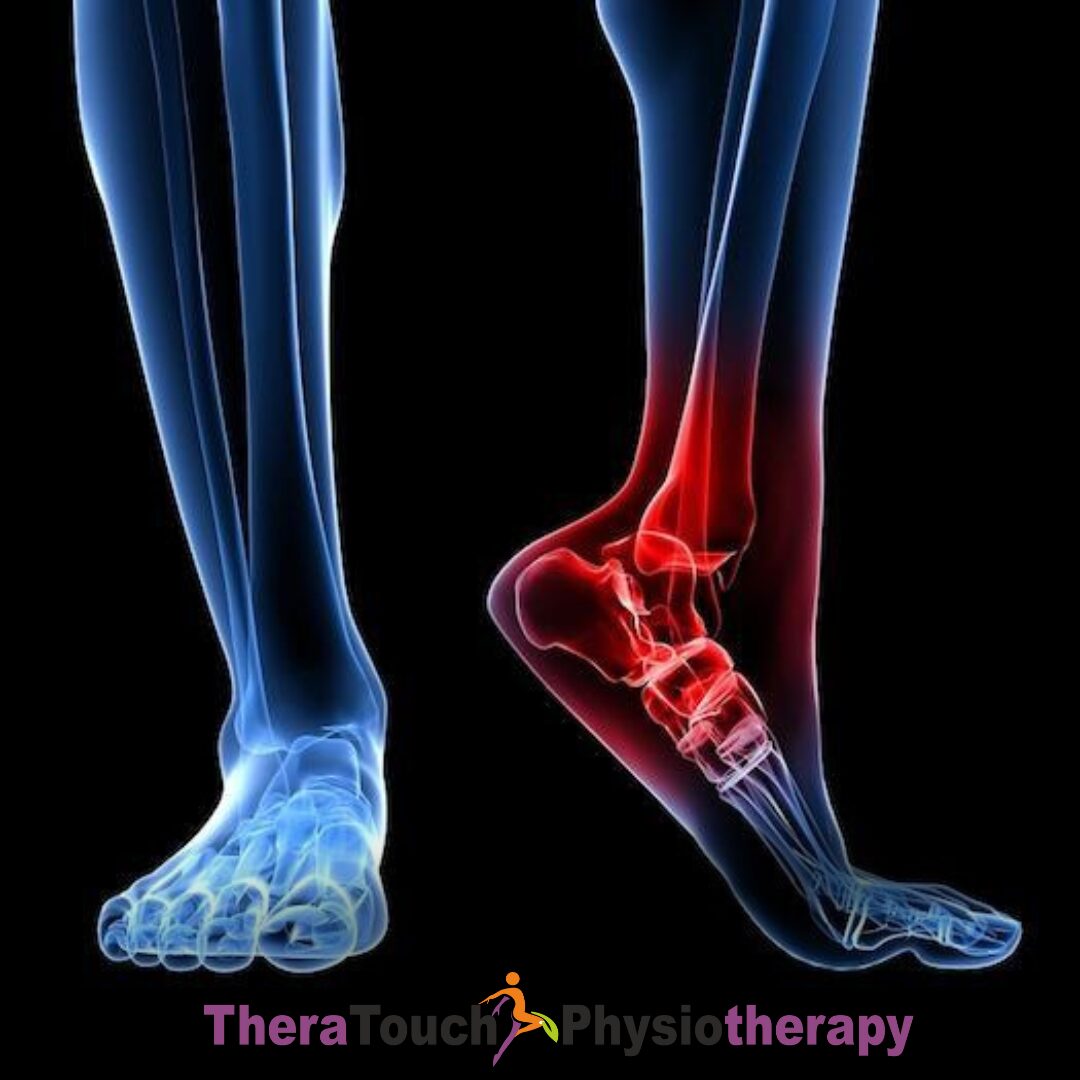
Ankle and Foot Injuries: Causes and Treatments.

The ankle and foot form the body’s foundation during movement. Together, they support body weight, absorb impact, and allow smooth transitions during walking, running, and standing. Because these structures endure so much stress every day, injuries to the ankle and foot are both common and disruptive. Even a seemingly minor twist or misstep can result in pain, swelling, and long-term instability.

Ankle and foot injuries do not only affect athletes. People of all ages and activity levels can experience them. While some injuries heal quickly with rest, others require rehabilitation to restore strength, stability, and full function. Without proper treatment, these injuries can lead to ongoing problems with balance, mobility, and pain.

Physiotherapy provides a science-based, movement-focused approach to recovery. It does not only treat the symptoms of injury but also corrects the underlying dysfunctions that contribute to it. This article explains how common ankle and foot injuries develop, how they are diagnosed, and why physiotherapy remains one of the most effective tools for healing and long-term prevention.

Common Types of Ankle and Foot Injuries

Several types of injuries commonly affect the ankle and foot. Among the most frequent are sprains, strains, fractures, and tendon injuries. An ankle sprain occurs when the ligaments that support the ankle stretch or tear. This typically happens during a fall, a misstep, or a sudden change in direction during sports. The outer ligaments of the ankle are most often affected, leading to pain, swelling, and bruising.

Foot fractures can affect any of the foot’s 26 bones, but the metatarsals, toes, and heel bone are especially vulnerable. Stress fractures often occur from repetitive activity, particularly in runners, dancers, or workers who stand for long hours. In contrast, an acute fracture may result from a direct impact, such as dropping a heavy object on the foot.

Tendinopathies are another category of injury. The Achilles tendon, which connects the calf muscles to the heel, frequently becomes irritated or inflamed due to overuse. Other tendons in the foot, such as the peroneal or posterior tibial tendons, can also become injured from repetitive strain or poor biomechanics.

Each of these injuries presents with different symptoms and requires a tailored approach to healing. What they all share is the potential to affect movement, load tolerance, and daily activity if left unaddressed.

What Causes Ankle and Foot Injuries

Ankle and foot injuries can result from a wide range of causes. Acute injuries usually involve a specific incident, such as tripping on uneven ground, landing awkwardly, or twisting the ankle during sport. These accidents may happen without warning but are more likely to occur when the body is tired, unbalanced, or poorly conditioned.

Chronic injuries build over time. Repetitive motions, poorly fitted footwear, and improper training loads contribute to gradual wear on tissues. Flat arches, high arches, or poor foot alignment can place uneven stress on bones and tendons, eventually leading to injury. Weakness in the hips, knees, or core often creates faulty movement patterns that transfer excess strain to the ankle and foot.

Poor proprioception, which refers to the body’s sense of balance and position, also plays a role. When proprioception is impaired, the risk of rolling an ankle or misplacing a step increases. This is particularly important in individuals who have already experienced a prior ankle injury, since these injuries often reduce joint stability and coordination.

Symptoms and When to Seek Help

Injuries to the ankle and foot may cause a range of symptoms depending on the type and severity. Pain is the most common indicator and can be sharp, dull, intermittent, or constant. Swelling, bruising, stiffness, and difficulty bearing weight also signal possible damage.

Some injuries, such as mild sprains or overuse conditions, may present with subtle symptoms that worsen gradually. Others, like fractures or tendon ruptures, may cause immediate, intense pain and require urgent care.

You should seek professional evaluation if pain limits movement, does not improve within a few days, or interferes with work, exercise, or sleep. Early assessment ensures accurate diagnosis and speeds up recovery. Delaying treatment often leads to compensatory issues, where other body parts are forced to pick up the slack, leading to further injury.

How Health Professionals Diagnose Ankle and Foot Injuries

Diagnosis begins with a detailed clinical assessment. A physiotherapist or healthcare provider reviews the injury history, asking how it occurred, what symptoms followed, and how it has affected function. A physical exam evaluates joint mobility, ligament integrity, muscle strength, and movement patterns.

In many cases, diagnosis does not require imaging. However, when fractures, dislocations, or serious tendon injuries are suspected, providers may request X-rays, ultrasound, or MRI scans to confirm the extent of damage. These tools are especially useful when pain remains unresolved despite conservative care. In a physiotherapy setting, clinicians take a holistic view. They do not only treat the site of pain but also examine how the injury affects the entire lower limb. Gait analysis, balance testing, and strength assessments reveal hidden weaknesses that contribute to instability or repeated injury.

Physiotherapy is Essential for Recovery

Physiotherapy plays a critical role in both short-term healing and long-term recovery. After the initial injury, swelling and pain are managed through gentle movement, manual therapy, and progressive weight-bearing activities. Early controlled movement helps prevent joint stiffness and muscle atrophy. Once inflammation subsides, the focus shifts to restoring range of motion and building strength. Targeted exercises rebuild muscle support around the injured area. Proprioceptive training, which includes balance and coordination drills, helps retrain the nervous system to stabilize the joints and prevent future sprains or falls.

In cases where the injury stems from overuse or biomechanical faults, physiotherapy addresses the root cause. Therapists correct movement patterns, improve walking and running mechanics, and prescribe home-based exercises to reinforce new habits. Education forms a central part of the process. Patients learn how to manage activity levels, choose proper footwear, and recognize warning signs before small problems escalate. Physiotherapy also prepares patients to return safely to sport, work, or active living. Rather than relying on rest or passive treatments alone, patients regain confidence through progressive, guided movement.

Long-Term Impact and Prevention

Unresolved ankle and foot injuries do more than cause lingering pain. They often lead to long-term complications, including chronic instability, early joint degeneration, and movement dysfunctions that strain other parts of the body. Even a mild sprain, if not properly treated, can reduce proprioception and set the stage for repeated injuries.

Physiotherapy reduces this risk. By building strength, coordination, and awareness, it prepares the body to handle physical demands more safely. Preventative programs that include stretching, balance work, and strength training help active individuals stay injury-free. For older adults, these programs also reduce the risk of falls and mobility loss.

Strong Steps Begin With Proper Care

Ankle and foot injuries affect how you move, work, and live. They may start with a twist, an impact, or overuse, but their effects often ripple through the whole body. Recovery requires more than rest. It calls for a plan that restores motion, builds strength, and rewires movement. Physiotherapy provides that plan. It treats not only the injury but also the person behind it. Through guided exercises, hands-on care, and education, physiotherapy helps patients regain control, reduce pain, and return to the activities that matter most. If you are dealing with an ankle or foot injury, do not wait for the problem to fix itself. The sooner you begin rehabilitation, the sooner you can take strong, pain-free steps toward recovery.

Plantar Fasciitis: Understanding Heel Pain

Plantar fasciitis causes millions of people to start their day with pain. That first step out of bed feels like stepping on a knife. A sharp, stabbing sensation near the heel. The discomfort eases a little with movement, only to return after sitting too long or walking too far. For many, this cycle continues for months, sometimes years, without relief.

This condition, though common, often frustrates patients because rest, ice, and over-the-counter painkillers don’t offer long-term solutions. However, when you understand how plantar fasciitis works and how physiotherapy treats its root causes, you gain the knowledge to recover, prevent flare-ups, and reclaim pain-free movement.

What Happens to the Plantar Fascia

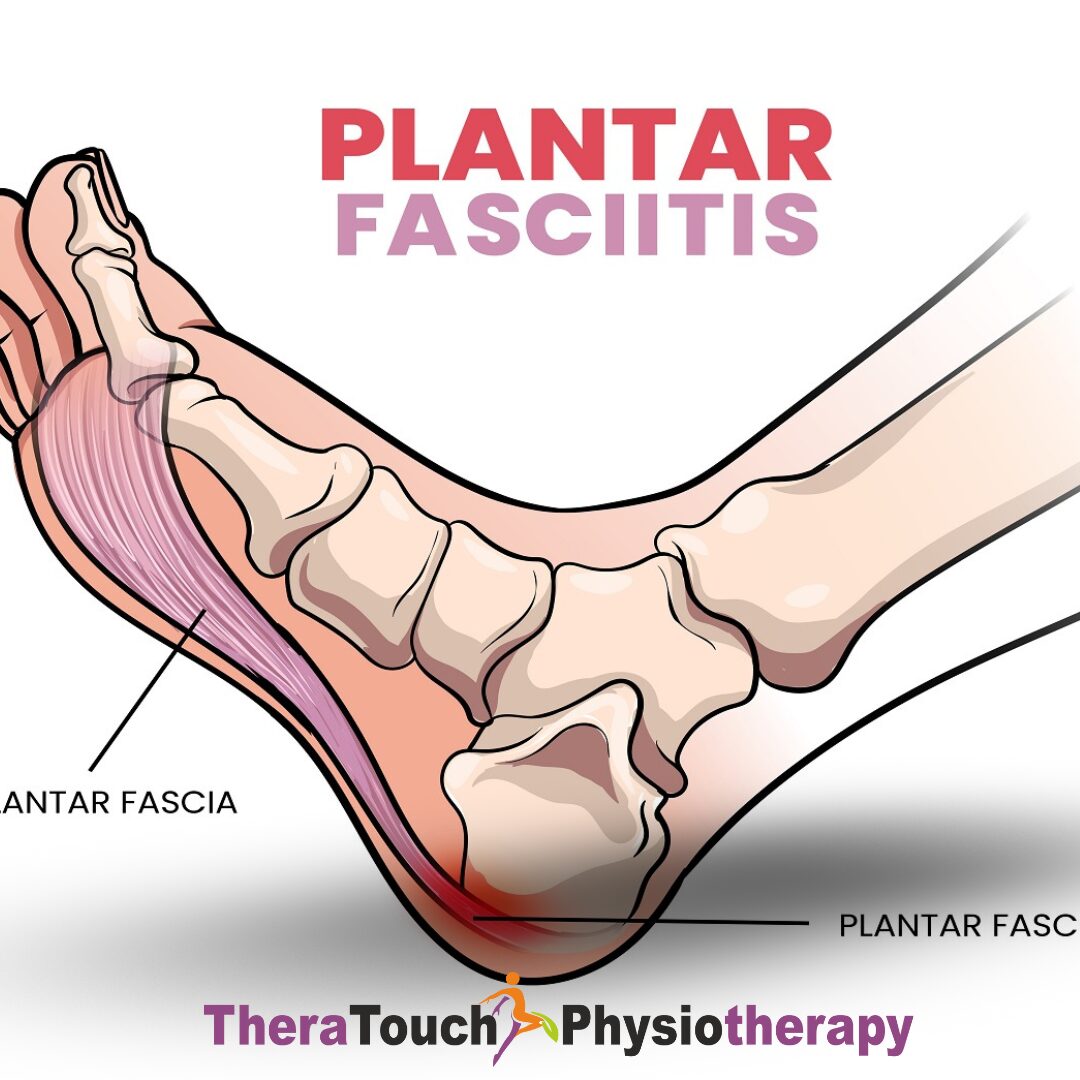
Your plantar fascia is a thick band of connective tissue that stretches along the bottom of your foot, from your heel bone to your toes. It supports your arch and helps your foot absorb shock with every step. When you walk, run, or stand, the fascia absorbs force and stores energy like a spring, then releases it as you push off the ground.

If you overload this structure by running too much, standing too long, wearing unsupportive shoes, or having poor foot mechanics, the fascia starts to strain and develop tiny tears. Instead of healing properly, it reacts with irritation and stiffness. Over time, it becomes less flexible, more inflamed, and painfully sensitive.

You feel the worst pain when you first put weight on the foot after a period of rest. That’s because the fascia tightens overnight, and when you step down in the morning, the sudden stretch reopens those microtears.

How Plantar Fasciitis Changes Daily Life

Plantar fasciitis does more than affect your foot. It disrupts your routine. You start avoiding walks. You sit more. You compensate by shifting weight onto your other foot or limping. These small adjustments change how your entire body moves.

If you ignore the pain, your gait can change so much that your knees, hips, or lower back begin to hurt. Your body adapts to protect the injured foot, but in doing so, it creates new problems.

People often believe the pain will disappear with time. But for many, it doesn’t. It stays, worsens, or flares up again months later. That’s because they treat the pain, but not the dysfunction causing it.

Why This Condition Develops

Plantar fasciitis develops slowly in most people. It doesn’t begin with one injury. Instead, repetitive stress builds over time.

Runners may add mileage too quickly. Office workers might walk in flat shoes without arch support. Healthcare and hospitality workers often spend long hours on hard floors. In all these cases, the foot takes more load than it can manage, and the fascia breaks down.

Biomechanics also play a role. People with flat feet or high arches shift load through the foot abnormally. Tight calf muscles and stiff ankles reduce the foot’s ability to move well. Extra body weight increases the load on the fascia during every step. Even standing still if done repeatedly and without support can cause damage.

How Physiotherapists Diagnose the Condition

A physiotherapist identifies plantar fasciitis based on your history and symptoms. They ask when the pain began, when it feels worse, and how it limits your activity. Then, they examine your foot and test where the pain occurs.

They check the tightness of your calves, the range of your ankle, the strength of your foot muscles, and the way you walk. Sometimes, they analyze your gait on video to catch movement errors that contribute to the problem.

You don’t usually need an X-ray or MRI to diagnose plantar fasciitis. But if your pain doesn’t follow typical patterns or fails to improve with care, imaging can help rule out fractures, nerve irritation, or other heel conditions.

Why Physiotherapy Works

Physiotherapy works because it addresses both the symptoms and the reasons why the fascia broke down. Instead of treating only the pain, your physiotherapist rebuilds your movement from the ground up.

At first, they may use hands-on techniques to reduce tissue tension and pain. These include massage, myofascial release, or joint mobilization. They might tape your foot to support the arch and reduce stress on the fascia.

As you improve, they introduce stretches that target your calf muscles, Achilles tendon, and plantar fascia. These restore mobility to the ankle and foot. Strengthening exercises come next. Your therapist teaches you how to activate the small muscles inside your foot and the larger muscles in your hips and legs that support good walking mechanics.

In later stages, they help you retrain your gait. They show you how to land more evenly, push off with better control, and absorb force without overloading the heel. If needed, they recommend footwear, orthotics, or shockwave therapy. Throughout the process, they educate you so you understand how to manage the condition and prevent its return.

A Real-Life Recovery

Angela, a 44-year-old teacher, spent most of her workdays on her feet. After months of growing heel pain, she started limping in the mornings and sitting between classes. She tried home stretches and bought expensive insoles, but nothing worked.

When she started physiotherapy, her therapist found that she had very tight calves, poor ankle mobility, and weak gluteal muscles. Her therapist treated the fascia manually and gave her a daily stretching program. Over the next six weeks, Angela progressed to foot-strengthening drills and gait retraining.

By week ten, Angela was walking without pain. She had returned to teaching full-time without needing breaks. Just as importantly, she understood why the pain developed and how to keep it from coming back.

What to Expect From Recovery

Recovery from plantar fasciitis takes time, but most people improve within six to twelve weeks with consistent physiotherapy. Severe or long-standing cases may take longer, especially if the fascia has undergone significant degeneration.

Rest alone won’t fix the problem. If you stop moving altogether, the fascia becomes stiffer and weaker. But if you overload it without guidance, you may flare up the pain. That’s why working with a physiotherapist is so important. They adjust your plan to match your stage of healing.

They also help you set expectations. Healing the fascia involves rebuilding load tolerance and correcting biomechanics not just waiting for the pain to fade. But once you address the root cause, your chances of long-term success are high.

Don’t Wait to Take the First Step

Plantar fasciitis does more than cause heel pain. It changes how you move, limits your independence, and affects your confidence. But with physiotherapy, you can break the cycle. You don’t have to live with fear of the first step in the morning. You don’t have to stop doing what you love. You just need the right plan, the right guidance, and the commitment to move forward. Physiotherapy doesn’t just treat plantar fasciitis. It helps you take back your stride, one strong, supported step at a time.

Myofascial Pain Syndrome:

Imagine waking up every morning with a dull ache spreading across your shoulders, or feeling a band of tightness wrapping around your back after hours at a desk. The pain is not sharp enough to send you rushing to the emergency room, but it lingers, disrupts sleep, and drains joy from everyday activities. This is the reality of Myofascial Pain Syndrome (MPS) is a condition where muscles form painful knots called trigger points that simply will not release on their own. Millions of people live with it, yet many go undiagnosed because the pain feels ordinary at first, until it grows into a constant burden.

Understanding What Makes Myofascial Pain Syndrome Unique

Myofascial Pain Syndrome is not like a pulled muscle that heals after a week of rest. It develops when parts of a muscle remain in a constant state of contraction. These tight spots reduce blood flow, trap waste products, and irritate the nerves, creating localized pain that often radiates to other areas. A knot in the neck can cause headaches, while tension in the lower back may trigger hip or leg discomfort. What makes MPS especially challenging is this “referred pain,” which tricks both patients and doctors into looking for problems where none exist.

Why Muscles Rebel

The reasons muscles develop chronic knots are varied, but they often start with small, unnoticed habits. Hours spent sitting at a computer without adjusting posture, carrying heavy bags on the same shoulder, or training too aggressively at the gym all overload the muscles until they no longer recover properly. Stress acts as fuel for the condition, since emotional tension leads to unconscious tightening of the body. Injuries can also set the stage, locking certain muscles into protective spasms that never fully switch off. Over time, these tight spots spread, creating a web of discomfort that feels impossible to escape.

The Toll on Daily Life

Living with MPS does not just mean dealing with pain. It changes how people move, work, and interact. Someone with chronic neck tension may avoid turning their head fully, eventually developing stiffness and poor posture. Sleep becomes shallow because lying down presses on tender points. Even simple joys like playing with children, driving, or exercising lose their appeal. The emotional cost is high as well, since chronic pain often fuels frustration, anxiety, and feelings of helplessness. What begins as “muscle tightness” can eventually reshape a person’s entire lifestyle.

Why Diagnosis Often Takes Years

Because Myofascial Pain Syndrome is not visible on X-rays or blood tests, patients are often told nothing is wrong. Some are treated for arthritis or nerve conditions, only to find their symptoms persist. Diagnosis depends heavily on skilled hands; a healthcare professional pressing into the muscle and feeling the knot, then noting how the pain shoots to another region. This clinical skill means MPS is frequently missed or underestimated, leaving sufferers in limbo.

Why Physiotherapy Changes the Story

The good news is that MPS responds remarkably well to physiotherapy. Unlike medication, which masks symptoms temporarily, physiotherapy addresses the dysfunction at its source. A physiotherapist can release trigger points through manual techniques such as myofascial release or dry needling, which deactivate knots and restore normal circulation. Gentle stretching programs retrain the muscles to lengthen fully, while strengthening exercises correct imbalances that caused overuse in the first place. Postural training ensures that everyday activities, sitting at a desk, lifting objects, or even standing no longer strain the body.

Beyond the physical interventions, physiotherapy introduces relaxation and breathing techniques that tackle the stress component of MPS. Patients learn how to notice when they are unconsciously tightening their muscles and how to interrupt the cycle before it spirals into pain. Unlike quick fixes, this approach not only relieves symptoms but also builds long-term resilience.

The Questions Patients Ask Most

People often wonder whether Myofascial Pain Syndrome will last forever. The truth is that it does not have to. With proper physiotherapy and lifestyle adjustments, many patients experience dramatic improvements or complete resolution. Another question is whether exercise helps or harms. While unguided exertion can irritate trigger points, targeted physiotherapy-led programs rebuild muscle health without worsening pain. Many also ask if MPS is the same as fibromyalgia. They are related but distinct: fibromyalgia involves widespread pain across the nervous system, while MPS is rooted in localized muscle dysfunction.

Taking Back Control

Myofascial Pain Syndrome can feel like a trap, but it is not permanent. With physiotherapy, patients can move from a life of restricted motion and lingering discomfort to one of strength, flexibility, and control. The transformation is not only physical but also emotional, as pain no longer dictates daily choices. Physiotherapy does more than treat symptoms; it restores agency. For anyone living under the weight of chronic muscle knots, seeking physiotherapy is not just a treatment option it is a chance to reclaim movement, confidence, and quality of life.