Visit Us
2249 Carling Ave. Suite 201
Call Us
613-709-8001
Email Us
info@theratouchphysio.com
Opening Hours
Mon - Fri: 9 AM - 6:30 PM | Sat: 10 AM - 5 PM
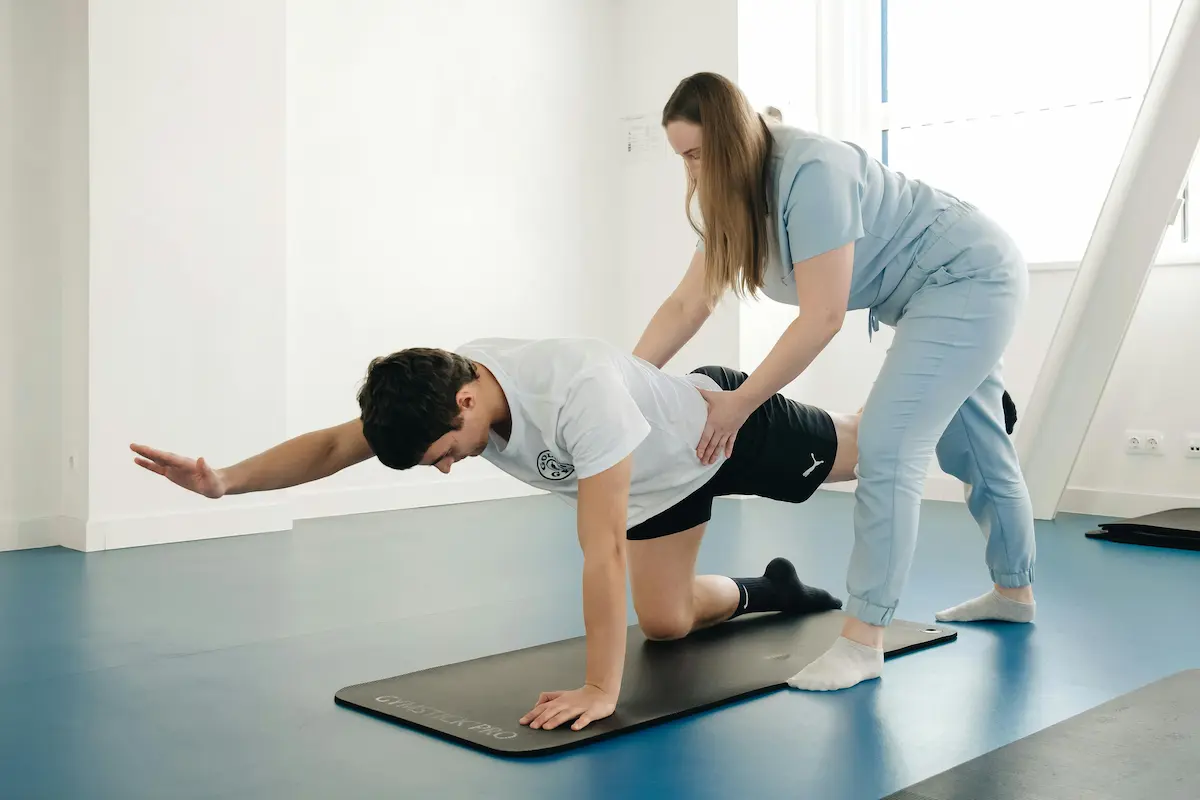
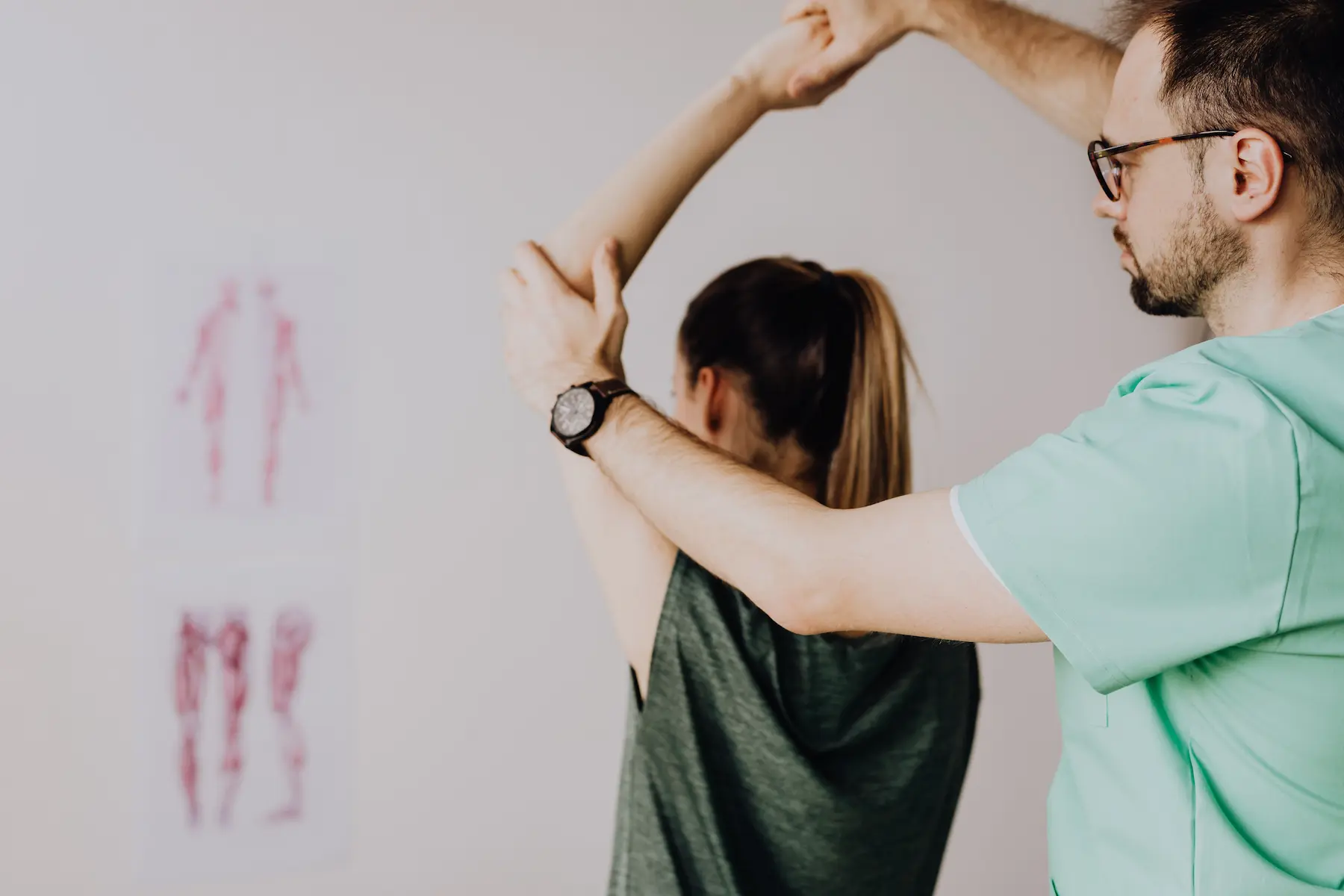
Physiotherapist providing one-on-one rehabilitation care to a patient

One-on-One Physiotherapy vs Double Booking: Does It Really Affect Recovery?

When searching for a physiotherapy clinic, most people compare location, reviews, availability, or pricing. Very few stop to ask an equally important question:

Will my physiotherapist be treating only me during my appointment?

Many clinics schedule multiple patients at the same time—a practice commonly known as double booking. While this approach allows clinics to accommodate more appointments, it also means a therapist’s attention may be divided between several patients throughout a session.

On the other hand, one-on-one physiotherapy provides dedicated time focused entirely on a single patient.

Does this difference actually influence recovery?

The answer depends on your condition, treatment goals, and the type of rehabilitation required. Understanding how different treatment models work can help you make a more informed decision when choosing physiotherapy care.

What Is Double Booking?

Double booking occurs when a physiotherapist manages two or more patients during overlapping appointment times.

Typically, the therapist may:

  • Begin treatment with one patient.
  • Assign exercises or modalities.
  • Move to another patient.
  • Alternate attention throughout the appointment.

This model is common in many busy rehabilitation clinics and may be appropriate for certain straightforward cases or later stages of recovery where patients are performing independent exercises.

However, not every condition is suited to this style of care.

What Is One-on-One Physiotherapy?

One-on-one physiotherapy means your appointment is dedicated entirely to you.

Your physiotherapist remains focused on:

  • assessing progress
  • monitoring movement
  • modifying treatment techniques
  • answering questions
  • ensuring exercises are performed correctly
  • adapting the rehabilitation plan as needed

Rather than dividing attention between multiple patients, treatment evolves continuously throughout the session.

For conditions that require close observation or regular adjustments, this individualized approach can offer important advantages.

Recovery Isn’t Just About Completing Exercises

One of the biggest misconceptions about physiotherapy is that success depends only on performing exercises.

In reality, effective rehabilitation also depends on:

  • exercise quality
  • movement technique
  • progression timing
  • symptom monitoring
  • patient education
  • ongoing reassessment

Two people may perform the same exercise but experience very different outcomes depending on their movement patterns, strength, flexibility, and underlying condition.

Without regular feedback, incorrect technique may persist, limiting progress or even increasing discomfort.

Why Individualized Attention Matters

Every person arrives at physiotherapy with a different story.

A recreational runner recovering from knee pain has different rehabilitation needs than:

  • someone recovering after surgery
  • a new mother experiencing pelvic floor dysfunction
  • an office worker with persistent neck pain
  • an older adult working to improve balance and mobility

Even when two patients share the same diagnosis, their treatment plans may differ based on:

  • activity level
  • occupation
  • previous injuries
  • movement habits
  • personal goals
  • symptom severity

Dedicated appointments allow treatment to be adjusted according to these individual factors rather than following a standardized program.

The Importance of a Thorough Assessment

One of the strongest predictors of successful rehabilitation is not necessarily the treatment itself—it is the quality of the assessment that comes first.

A comprehensive physiotherapy assessment often includes:

  • detailed discussion of symptoms
  • movement analysis
  • strength testing
  • mobility assessment
  • functional testing
  • posture evaluation
  • lifestyle and activity review

These findings guide every recommendation that follows.

Without understanding why pain or dysfunction developed, treatment may focus only on managing symptoms rather than addressing the underlying cause.

Communication Is Part of Treatment

Many patients underestimate how valuable communication becomes during rehabilitation.

Questions often arise throughout recovery, such as:

  • “Is this discomfort normal?”
  • “Can I return to the gym?”
  • “Should I increase my walking?”
  • “Why does this exercise feel different today?”

Having uninterrupted time with your physiotherapist allows these concerns to be discussed as they happen.

Small adjustments made during a session can often improve exercise quality, increase confidence, and prevent unnecessary setbacks.

Different Conditions Require Different Levels of Attention

Not every patient requires the same level of supervision.

For example, someone progressing through a well-established strengthening program may require less hands-on guidance than a person experiencing:

  • persistent pelvic pain
  • dizziness or balance concerns
  • post-surgical rehabilitation
  • complex sports injuries
  • chronic back pain with movement restrictions

More complex conditions often benefit from closer observation because treatment frequently changes as the body responds.

Quality Over Quantity

Physiotherapy is not simply about the number of appointments attended.

The quality of each session plays a significant role in long-term recovery.

High-quality rehabilitation often includes:

  • personalized goal setting
  • regular reassessment
  • exercise progression
  • education about recovery
  • functional movement training
  • ongoing modification of treatment

This approach aims to improve not only pain levels but also strength, confidence, mobility, and long-term resilience.

What Should You Look for When Choosing a Physiotherapy Clinic?

Every clinic operates differently, so asking a few important questions before booking can help you choose care that matches your needs.

Consider asking:

  • Will my appointment be one-on-one?
  • How long is the initial assessment?
  • Will I see the same physiotherapist each visit?
  • Is my treatment plan personalized?
  • How will my progress be measured?
  • Will I receive exercises tailored to my condition?
  • How often is my rehabilitation plan reviewed?

These questions provide valuable insight into the overall treatment philosophy rather than focusing solely on convenience.

Choosing a physiotherapy clinic involves more than finding the nearest appointment or the shortest waiting time.

Understanding how care is delivered can significantly influence your rehabilitation experience.

Personalized, one-on-one physiotherapy provides dedicated time for assessment, education, treatment progression, and communication—allowing rehabilitation to evolve alongside your recovery rather than following a standardized approach.

For many individuals, that individualized attention becomes one of the most valuable parts of the recovery process.

At TheraTouch Physiotherapy, every appointment is dedicated to one patient at a time because rehabilitation deserves individual attention—not divided focus. Through comprehensive assessments, personalized treatment plans, evidence-based care, and ongoing progress monitoring, we help patients recover with confidence and return to the activities that matter most.

Book your assessment today and experience one-on-one physiotherapy designed around your goals, not just your symptoms.

Frequently Asked Questions

Is double booking always a bad thing?

Not necessarily.

Some clinics successfully use this model for patients who require less supervision or are completing independent exercise programs.

The most appropriate approach depends on the complexity of your condition and your rehabilitation needs.

Does one-on-one physiotherapy mean faster recovery?

Recovery depends on many factors, including the condition being treated, patient participation, overall health, and adherence to the rehabilitation plan.

However, dedicated appointments allow treatment to be individualized and adjusted more closely as recovery progresses.

How do I know if I need personalized rehabilitation?

If your symptoms have persisted, repeatedly returned, or are limiting your ability to work, exercise, or perform daily activities, a comprehensive assessment can help identify contributing factors and guide a treatment plan tailored to your goals.

Can personalized treatment help prevent future injuries?

Yes.

Identifying movement limitations, strength deficits, and biomechanical factors allows rehabilitation to focus not only on recovery but also on reducing the likelihood of future injuries.
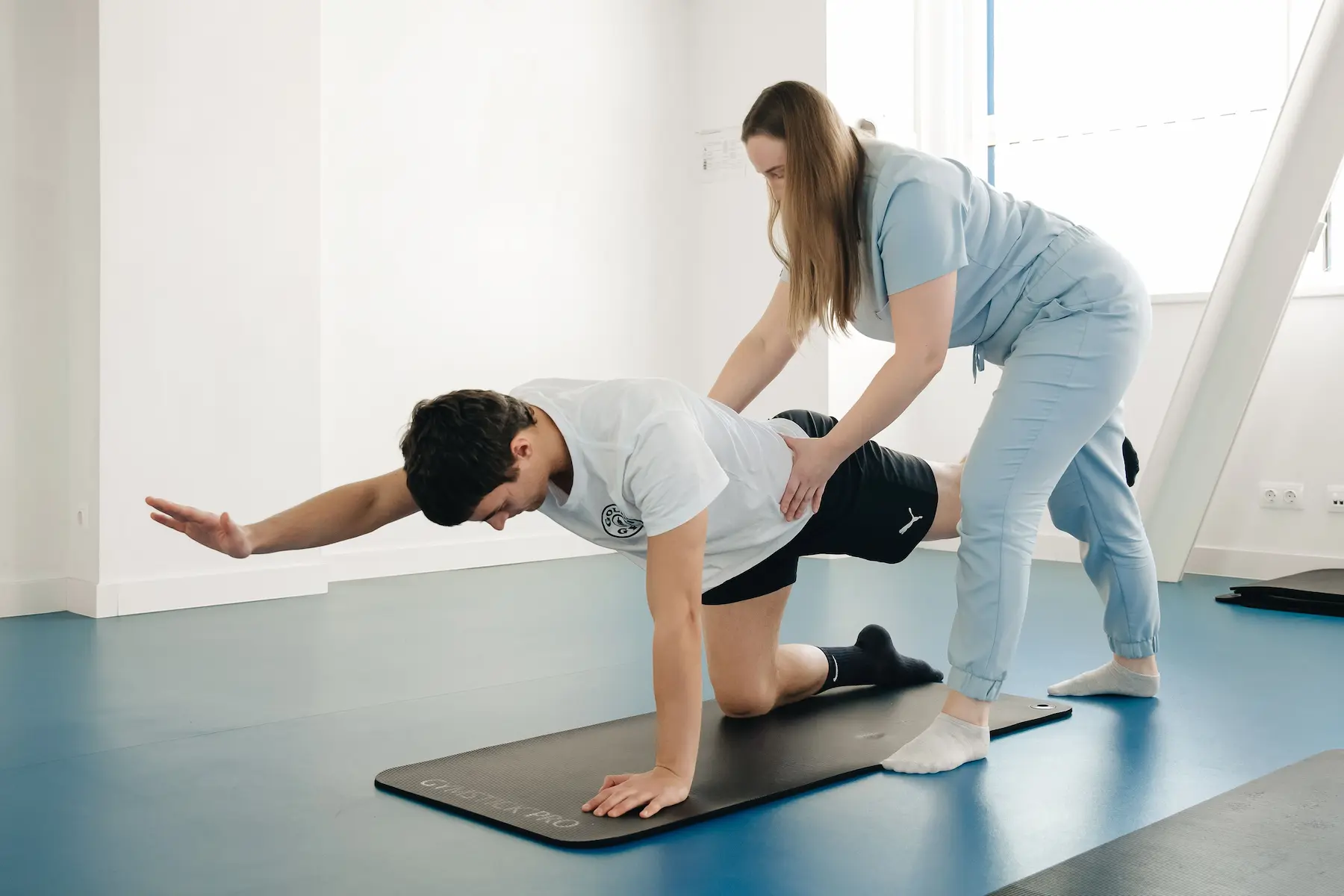

Pelvic floor physiotherapist guiding a patient through a rehabilitation exercise in Ottawa

Why Pelvic Floor Physiotherapy Doesn’t Work for Everyone — And What Actually Makes the Difference

When pelvic floor symptoms begin affecting everyday life, many people do exactly what they’re supposed to do—they seek treatment.

They might watch online exercise videos, try pelvic floor strengthening routines, download mobile apps, or even attend a few physiotherapy sessions.

Yet months later, some people are still living with bladder leakage, pelvic pain, pressure, discomfort during exercise, or ongoing postpartum symptoms.

This often leads to a frustrating question:

“Why isn’t pelvic floor physiotherapy working for me?”

The answer is rarely that physiotherapy itself doesn’t work.

More often, it’s because pelvic floor dysfunction is far more complex than simply strengthening a group of muscles.

Successful rehabilitation depends on understanding why symptoms developed in the first place and creating a treatment plan that addresses the individual’s specific needs rather than following the same program for everyone.

Pelvic Floor Dysfunction Is Different for Every Person

Although many people experience similar symptoms, the causes behind those symptoms can vary considerably.

Two individuals may both experience urinary leakage, yet require completely different treatment approaches.

One person may have weakened pelvic floor muscles following childbirth.

Another may have muscles that are overly tight and unable to relax properly.

Someone recovering from pelvic surgery may need gradual strength restoration, while another individual may primarily benefit from breathing retraining and movement coordination.

This is why effective rehabilitation begins with assessment rather than exercises.

Treating every patient with the same routine is similar to prescribing the same glasses to everyone regardless of their eyesight.

Stronger Isn’t Always Better

One of the biggest misconceptions surrounding pelvic floor health is that symptoms always indicate weakness.

In reality, pelvic floor muscles can become:

  • Weak
  • Tight
  • Overactive
  • Poorly coordinated
  • Fatigued
  • Unable to relax appropriately

Each of these situations requires a different treatment strategy.

For example, someone with an overactive pelvic floor may actually experience worsening symptoms if they repeatedly perform strengthening exercises without first improving muscle relaxation.

Modern pelvic health physiotherapy focuses on restoring normal function rather than simply increasing muscle strength.

Why Generic Exercise Programs Often Fall Short

Online resources have made pelvic health information more accessible than ever before.

While this is generally positive, it has also created the impression that pelvic floor dysfunction can be solved with a handful of exercises.

The reality is much more nuanced.

A generic exercise program cannot determine:

  • whether the muscles are activating correctly
  • whether breathing patterns are contributing to symptoms
  • whether hip or core muscles are compensating
  • whether movement habits are increasing pressure through the pelvic floor
  • whether another underlying condition is present

Without this information, even well-intentioned exercises may fail to produce meaningful improvement.

Assessment Is Where Recovery Really Begins

One of the biggest differences between short-term symptom management and long-term recovery is the quality of the initial assessment.

A comprehensive Pelvic Floor Physiotherapy Ottawa assessment should look beyond the symptoms themselves.

Depending on the individual’s comfort level and clinical needs, an assessment may include:

  • a detailed medical history
  • discussion of pregnancy or surgical history where relevant
  • breathing assessment
  • posture evaluation
  • movement analysis
  • hip and core strength testing
  • pelvic floor muscle function assessment
  • discussion of bladder and bowel habits
  • lifestyle factors affecting recovery

Rather than asking only “Where does it hurt?”, the assessment explores why the symptoms developed and what is preventing recovery.

Recovery Is More Than a Weekly Appointment

Successful rehabilitation doesn’t happen during one treatment session each week.

Instead, progress is created through the combination of:

  • education
  • guided exercise progression
  • movement retraining
  • home exercises
  • gradual return to activity
  • regular reassessment

Treatment evolves as symptoms improve.

Someone recovering after childbirth will not require the same program several weeks later.

Likewise, an active individual returning to running has different rehabilitation goals than someone hoping to comfortably return to everyday activities.

A personalized approach allows treatment to progress alongside recovery.

Why One-on-One Care Makes a Difference

Pelvic health concerns are often deeply personal.

Discussing bladder symptoms, pelvic pain, or postpartum recovery requires trust and open communication.

Dedicated one-on-one sessions provide the opportunity to:

  • ask questions comfortably
  • monitor progress closely
  • adjust exercises appropriately
  • address new concerns as recovery progresses
  • receive education specific to individual goals

This level of individualized attention helps ensure treatment remains relevant throughout the rehabilitation journey rather than relying on a standard program that may no longer match the patient’s needs.

Recovery Is Rarely Linear

Another reason some people become discouraged is the expectation that improvement should happen quickly.

Recovery often occurs gradually.

Some weeks may bring noticeable progress, while others focus on refining movement patterns, improving coordination, or increasing confidence with daily activities.

Temporary fluctuations don’t necessarily indicate that treatment isn’t working.

Instead, consistent progression, regular reassessment, and appropriate exercise modification help create sustainable long-term improvement.

Small Daily Habits Matter More Than Many People Realize

Treatment sessions are only one part of the recovery process.

Daily habits often influence outcomes just as much.

Simple changes can support rehabilitation, including:

  • avoiding prolonged straining
  • maintaining healthy bowel habits
  • staying physically active within comfortable limits
  • practicing prescribed exercises consistently
  • managing stress effectively
  • improving breathing patterns during movement

These seemingly small adjustments help reinforce the work completed during physiotherapy sessions.

When Should You Consider Pelvic Floor Physiotherapy?

Professional assessment may be beneficial if you experience:

  • bladder leakage during coughing, sneezing, or exercise
  • persistent pelvic pain
  • pressure or heaviness in the pelvic region
  • discomfort after pregnancy or childbirth
  • difficulty returning to exercise
  • bowel dysfunction
  • pain during intimacy
  • symptoms that continue despite trying exercises independently

Seeking advice early often allows contributing factors to be addressed before symptoms become more persistent.

Pelvic floor physiotherapy is not simply about performing a series of exercises—it is about understanding how your body functions as a whole.

The most successful treatment plans recognize that every individual presents with different symptoms, movement patterns, goals, and contributing factors.

When rehabilitation is built around a thorough assessment, individualized care, and evidence-based progression, patients are far more likely to achieve meaningful and lasting improvements.

If pelvic floor symptoms are affecting your confidence, comfort, or ability to enjoy everyday life, seeking professional guidance early can make a significant difference in your recovery journey.


At TheraTouch Physiotherapy, every pelvic health assessment is designed around you—not a generic treatment plan. Through one-on-one care, detailed assessment, and evidence-based rehabilitation, our team works to identify the underlying cause of your symptoms and create a personalized path toward recovery.

Book your Pelvic Floor Physiotherapy assessment today and take the first step toward lasting confidence and improved quality of life.

Frequently Asked Questions

Is pelvic floor physiotherapy only for women?

No. Although pregnancy and childbirth are common reasons women seek treatment, men can also experience pelvic floor dysfunction following surgery, persistent pelvic pain, or changes in bladder or bowel function.

Will I only be given Kegel exercises?

Not necessarily.

Treatment depends entirely on the assessment findings. Some individuals benefit from strengthening, while others require relaxation techniques, breathing retraining, mobility work, or coordination exercises before strengthening becomes appropriate.

How many sessions will I need?

Recovery varies depending on the underlying condition, symptom duration, personal goals, and how consistently the treatment plan is followed. Your physiotherapist will recommend a plan based on your assessment.

Can I continue exercising?

In many cases, yes.

Rather than avoiding activity completely, your physiotherapist can help modify exercise safely while supporting recovery.

Postpartum Physiotherapy Ottawa

Recovery After Childbirth: Why the 6-Week Checkup Isn’t Always the End of the Story

Many women are told that everything should return to normal after the six-week postpartum checkup. While this appointment is an important milestone, it does not always reflect how the body is functioning physically.

For some mothers, recovery progresses smoothly. For others, symptoms such as pelvic pressure, urinary leakage, lower back pain, abdominal weakness, or discomfort during exercise may continue for months after delivery. These symptoms are common, but they should not simply be accepted as part of motherhood.

Postpartum physiotherapy focuses on helping women recover safely and confidently after pregnancy and childbirth. Rather than treating symptoms in isolation, it evaluates how the pelvic floor, abdominal wall, breathing mechanics, posture, and movement patterns are working together. Research has shown that pregnancy and childbirth can contribute to pelvic floor dysfunction, urinary incontinence, pelvic pain, low back pain, and abdominal separation (diastasis recti), all of which can benefit from physiotherapy assessment and treatment. (Verywell Health)

Understanding What Happens to the Body After Childbirth

During pregnancy, the abdominal muscles stretch to accommodate a growing baby, while the pelvic floor muscles support increasing pressure from the uterus. During delivery, these tissues experience additional stress regardless of whether the birth was vaginal or by Caesarean section.

As a result, some women experience:

  • Urinary leakage when coughing, laughing, or exercising
  • Pelvic heaviness or pressure
  • Lower back or hip discomfort
  • Reduced core strength
  • Pain during intimacy
  • Difficulty returning to running or fitness activities

While these symptoms are often dismissed as “normal after having a baby,” they may indicate underlying pelvic floor or musculoskeletal dysfunction that can be assessed and addressed through physiotherapy.

The Pelvic Floor Is About More Than Kegels

One of the biggest misconceptions surrounding postpartum recovery is that every problem can be solved with Kegel exercises.

In reality, the pelvic floor is a complex group of muscles that must contract, relax, coordinate with breathing, and respond to movement demands throughout the day.

For some women, weakness is the issue. For others, excessive tension can be contributing to pain, pressure, or difficulty with bladder function. A physiotherapy assessment helps determine what your body actually needs rather than relying on a one-size-fits-all exercise approach.

The Importance of Core Rehabilitation

Many women focus on getting their abdominal muscles “back in shape” as quickly as possible. However, rushing into high-intensity workouts before rebuilding foundational strength can sometimes prolong symptoms.

Postpartum physiotherapy often includes:

  • Breathing retraining
  • Deep core activation
  • Pelvic floor coordination
  • Movement retraining
  • Progressive strengthening exercises

The goal is not simply to exercise more. The goal is to restore function so daily activities, lifting your child, returning to work, and participating in exercise become comfortable and sustainable.

Returning to Exercise Safely

One of the most common questions physiotherapists hear is:

“When can I start running again?”

The answer depends on how well your body is recovering.

Before returning to higher-impact activities, it is important to assess:

  • Pelvic floor function
  • Core stability
  • Single-leg balance
  • Load tolerance
  • Running mechanics

Addressing these factors early can reduce the risk of persistent symptoms and recurring issues later.

When Should You Seek Help?

Consider booking a physiotherapy assessment if you experience:

  • Urinary leakage
  • Pelvic heaviness or pressure
  • Persistent back or hip pain
  • Abdominal separation concerns
  • Pain during exercise
  • Difficulty returning to physical activity

Early intervention often leads to a smoother recovery and greater confidence during the postpartum period.

Final Thoughts

Every postpartum recovery journey is different. While some changes are expected after childbirth, ongoing discomfort, weakness, or bladder concerns should not simply be accepted as part of daily life.

Postpartum physiotherapy provides a personalized approach to recovery, helping women restore strength, improve function, and return to the activities that matter most with confidence.

Physiotherapy treatment for chronic pain focusing on movement and rehabilitation

How Poor Posture Affects Your Body More Than You Think — And How to Correct It

Posture is often associated with appearance, but its impact extends far beyond how someone looks. Prolonged poor posture can significantly affect musculoskeletal health, breathing efficiency, and even nervous system function.

With the increasing number of individuals working in desk-based environments, postural dysfunction has become one of the most common contributors to chronic discomfort and movement limitations.

What Happens to the Body With Poor Posture?

Poor posture places abnormal stress on muscles, joints, and connective tissues. Over time, this leads to structural and functional adaptations within the body.

Common postural patterns include:

• Forward head posture
• Rounded shoulders
• Increased thoracic kyphosis
• Anterior pelvic tilt

These changes alter how forces are distributed throughout the body, often leading to compensatory muscle overactivity and joint strain.

The Hidden Effects Beyond Pain

While pain is the most noticeable symptom, poor posture can affect several other systems.

These include:

Reduced Breathing Efficiency
Slouched posture limits rib cage expansion, reducing oxygen intake and affecting energy levels.

Altered Muscle Activation Patterns
Certain muscles become overactive (e.g., upper trapezius), while others weaken (e.g., deep neck flexors).

Increased Joint Stress
Misalignment places excessive load on joints, particularly in the cervical and lumbar spine.

Impact on Balance and Coordination
Postural instability can affect proprioception and movement control.

Why Posture Correction Is Not Just “Sitting Straight”

Many people attempt to correct posture by consciously “sitting up straight.” However, posture is not a static position — it is a dynamic function of muscle coordination and joint mobility.

Without addressing underlying issues such as muscle imbalance and restricted mobility, posture cannot be sustainably improved.

The Role of Physiotherapy in Posture Correction

Effective posture correction requires a comprehensive approach that combines assessment, movement retraining, and strengthening.

Through structured posture correction physiotherapy, clinicians can:

• Identify postural deviations and their root causes
• Improve joint mobility, particularly in the thoracic spine
• Strengthen stabilizing muscles such as the core and deep neck flexors
• Retrain movement patterns to reduce strain

At TheraTouch Physiotherapy, postural assessments are integrated with functional movement analysis to create individualized rehabilitation programs.

Evidence-Based Treatment Strategies

Modern physiotherapy incorporates several techniques:

Mobility Restoration
Improving thoracic extension and shoulder mobility reduces compensatory strain.

Strength Training
Targeting weak muscle groups restores balance and alignment.

Neuromuscular Re-education
Helps the body adopt efficient movement patterns automatically.

Ergonomic Adjustments
Small changes in workstation setup can significantly reduce postural stress.

Long-Term Postural Health

Posture improvement is not achieved overnight. It requires consistent effort and awareness.

Effective habits include:

• Regular movement breaks during prolonged sitting
• Maintaining neutral spine alignment
• Strength training for postural muscles
• Avoiding prolonged static positions

Final Thoughts

Posture is a reflection of how the body functions, not just how it appears. Addressing postural issues early can prevent long-term complications and improve overall movement efficiency.

With proper guidance and structured rehabilitation, lasting improvements are achievable.

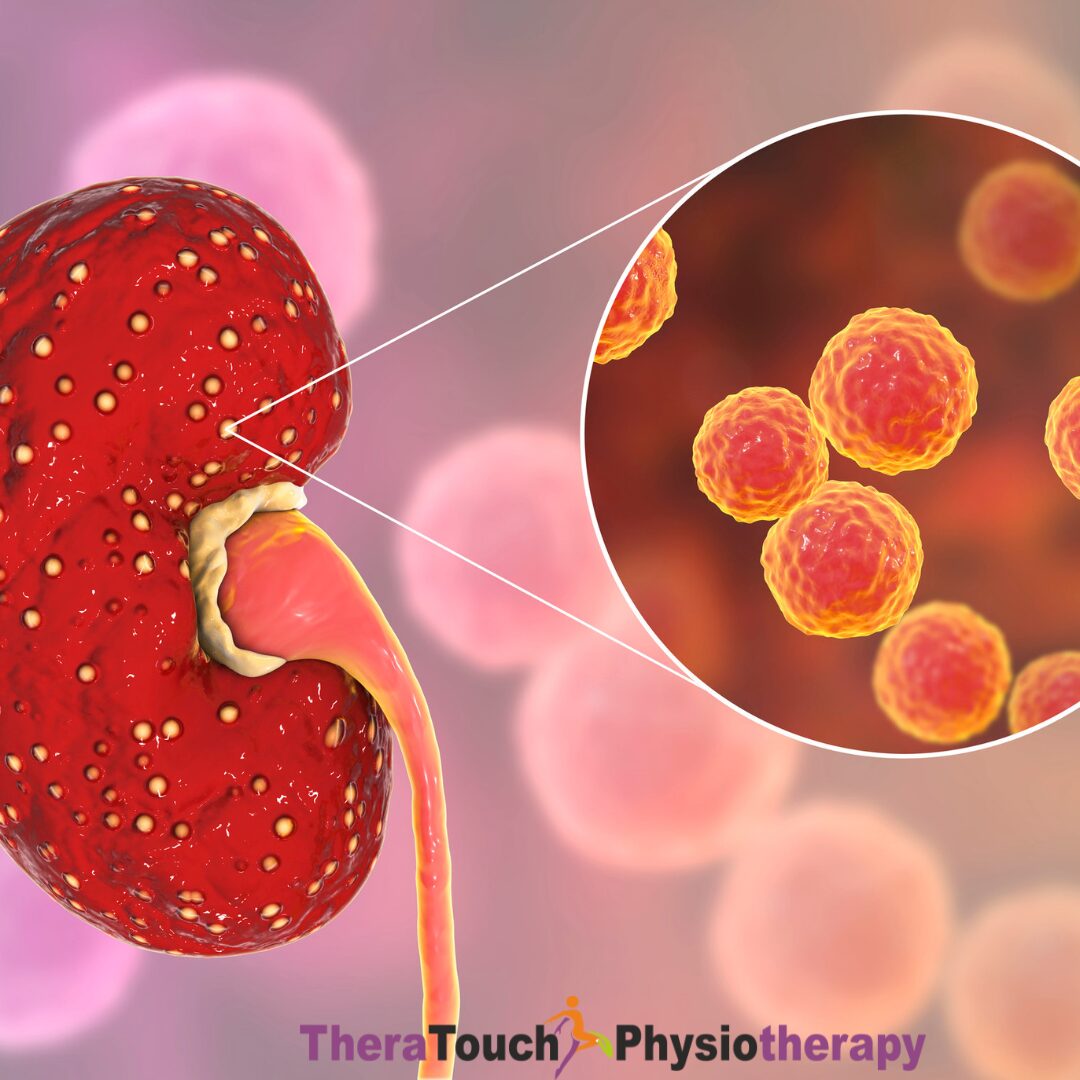
When It Feels Like a UTI but Isn’t

You feel a constant urge to pee. Sometimes it burns when you go, and sometimes the discomfort is just there, lingering like a dull ache in your lower abdomen. Naturally, your first thought is a urinary tract infection. You head to the doctor, get a urine test, and wait for the results. But they come back clean. No infection. No bacteria. Yet the pain hasn’t left. If this keeps happening to you, you’re not imagining it. That discomfort that feels exactly like a UTI but doesn’t respond to antibiotics may be coming from your pelvic floor muscles not your bladder.

The Real Source of the Discomfort

Your pelvic floor is a group of muscles located at the base of your pelvis. These muscles help support your bladder, bowel, and reproductive organs. They also play a major role in how your bladder functions. When your pelvic floor becomes too tight, overworked, or dysfunctional, it can irritate the nerves surrounding the bladder and urethra. This nerve irritation sends mixed signals to your brain, making your body feel like something is wrong with your urinary system even when there is no infection. You may feel like you constantly need to urinate, even right after you just did. You may feel burning or stinging during urination, pressure deep in the pelvis, or general discomfort that feels eerily like a UTI. But because there’s no bacterial infection to treat, antibiotics won’t help.

Why Antibiotics Aren’t Solving the Problem

If your tests consistently show no bacteria but you keep experiencing similar symptoms, pelvic floor dysfunction may be one possible contributor worth investigating. Your pelvic floor muscles might be holding too much tension or reacting to stress, past trauma, posture changes, or even past infections that left behind lingering hypersensitivity. In this case, no medication can ease the muscle tightness or correct the miscommunication between your nerves and bladder. That’s why antibiotics often fail to bring relief. If pelvic floor dysfunction is contributing to your symptoms, antibiotics alone may not address the underlying muscle tension or nerve sensitivity.

The Role of Pelvic Floor Physiotherapy

Pelvic floor physiotherapy gives you a clear, non-invasive path toward healing. During your sessions, your physiotherapist will assess how your pelvic muscles are functioning and how they may be contributing to your symptoms. You’ll learn how to release unnecessary tension, how to coordinate your muscles properly, and how to calm your nervous system’s hypersensitive response to normal bladder activity. Treatment may include breath work, gentle internal or external manual therapy, posture retraining, movement strategies, and exercises to improve pelvic blood flow and reduce nerve irritation. Over time, this helps reduce that false sense of urgency, relieves the burning sensations, and gives you back a sense of control and comfort.

Breaking the Cycle and Finding Relief

Living with ongoing UTI-like symptoms that don’t respond to medication can feel frustrating and confusing. You may start to doubt your own body or feel anxious every time you sense a twinge in your bladder. But you are not alone, and your pain is valid. Pelvic floor dysfunction is a common but often overlooked cause of this type of discomfort. The good news is that with the right guidance, it is also highly treatable. Physiotherapy doesn’t just mask the symptoms. It addresses the root cause, gently retrains your body, and helps you return to your normal routines without fear or discomfort. If you’re tired of cycling through antibiotics or being told that everything is “normal” when you still feel pain, pelvic floor physiotherapy may be the key to long-term relief.

Not Sure Why Your UTI-Like Symptoms Keep Returning?

If your urine tests are clear but urgency, burning, pelvic pressure, or discomfort keeps returning, a pelvic floor assessment may help identify whether muscle tension or coordination is contributing to your symptoms.

Conquering Incontinence: Understanding Causes, Symptoms, and Effective Treatment Options

TheraTouch Physiotherapy Incontinence

Incontinence refers to the involuntary loss of urine or feces, leading to difficulties in controlling bladder or bowel movements. Here’s some information on the causes, symptoms, and treatments of incontinence:

Causes of Incontinence:

  1. Weak pelvic floor muscles: Weakened muscles that support the bladder and rectum can contribute to urinary or fecal incontinence.
  2. Urinary tract infections: Infections in the urinary tract can cause temporary incontinence.
  3. Nerve damage: Conditions such as diabetes, multiple sclerosis, or spinal cord injuries can disrupt nerve signals involved in bladder and bowel control.
  4. Hormonal changes: Fluctuations in hormone levels, such as during pregnancy or menopause, can affect bladder and bowel function.
  5. Prostate problems: In men, an enlarged prostate or prostate surgery can result in urinary incontinence.
  6. Medications: Certain medications, such as diuretics, sedatives, or muscle relaxants, may contribute to incontinence.
  7. Other factors: Chronic coughing, obesity, constipation, and certain lifestyle habits (e.g., excessive caffeine or alcohol intake) can also play a role in incontinence.

Symptoms of Incontinence:

  1. Urinary incontinence:
    1. Stress incontinence: Leakage of urine during activities that increase abdominal pressure, such as coughing, sneezing, or exercising.
    2. Urge incontinence refers to a sudden and strong urge to urinate, often followed by an involuntary release of urine.
    3. Overflow incontinence, on the other hand, involves the continuous or frequent dribbling of urine caused by an overfilled bladder that cannot fully empty.                                                            
  2. Fecal incontinence: 

    1. Involuntary passage of stool or inability to control bowel movements.
    2. Difficulty sensing the need to defecate or lack of awareness of bowel movements.
    3. Leaking of small amounts of stool or complete loss of bowel control.

Treatments for Incontinence:

  1. Lifestyle modifications:
    1. Pelvic floor Physiotherapy: Pelvic Floor exercises strengthening the pelvic floor muscles through exercises like Kegels to improve bladder and bowel control                 
    2. Fluid and diet management: Adjusting fluid intake and dietary habits to avoid bladder irritants and regulate bowel movements.
    3. Weight management: Maintaining a healthy weight to reduce pressure on the bladder and pelvic floor muscles.
  2. Bladder training: Techniques to gradually increase the time between urination and improve bladder control.
  3. Medications:
    1. Anticholinergics: Medications that relax the bladder muscle and reduce urinary urgency and frequency.
    2. Topical creams: Creams or ointments that can help treat skin irritation caused by incontinence.
  4. Medical devices:
    1. Pessary: A small device inserted into the vagina to support the bladder or rectum.
    2. Catheters: Thin tubes used to drain urine from the bladder.
  5. Nerve stimulation: Electrical stimulation of the nerves involved in bladder and bowel control to improve function and reduce incontinence.
  6. Surgery: In certain cases, surgical interventions may be recommended to treat underlying anatomical or functional issues causing incontinence.

    Pelvic Floor Physiotherapy is an effective solution for alleviating incontinence symptoms, addressing persistent conditions, and expediting the healing process. Licensed Pelvic Floor Physiotherapists evaluate your specific condition and provide personalized recommendations or therapies to help you manage your  incontinence symptom effectively

Endometriosis and Pelvic Floor Dysfunction: A Hidden Connection

Endometriosis & Pelvic Floor Dysfunction

Previously, we uncovered the complexities of endometriosis and its common treatments. Now, we’ll explore the link between endometriosis and pelvic floor issues, shedding light on an often-unseen partnership. We’ll also discuss how pelvic floor physiotherapy can be a game-changer for managing and potentially curing these conditions.

The Endometriosis-Pelvic Floor Dysfunction Connection

Endometriosis can lead to pelvic muscle tightness, dysfunction, and pain. This can result in urinary problems, bowel issues, and discomfort during sexual intercourse. Understanding this link is crucial, but there’s hope. During a pelvic floor therapy session, your physiotherapist will assess your pelvic floor muscles and create a personalized treatment plan. You’ll learn about your pelvic floor’s role and receive hands-on techniques, exercises, and possibly biofeedback or electrical stimulation to address issues like pain, incontinence, or discomfort. Pelvic floor physiotherapy, a specialized form of physical therapy, offers effective solutions:

Pain Management: Skilled pelvic floor physiotherapists use techniques like manual therapy, exercises and modalities to relieve pain and muscle tension.

Improved Pelvic Function: Addressing muscle tightness and dysfunction enhances overall well-being.

Bowel and Bladder Control: This therapy helps regain control over urinary and bowel functions, reducing incontinence and discomfort.

Pre and Post-Surgery Support: For those needing surgery, pelvic floor physiotherapy optimizes outcomes and speeds up recovery.

Fertility Enhancement: By addressing pelvic issues, this therapy can improve fertility outcomes for those trying to conceive.

The connection between endometriosis and pelvic floor dysfunction is profound, impacting the lives of those affected. Pelvic floor physiotherapy is a powerful tool to address this challenge. It can significantly reduce pain, enhance quality of life, and potentially improve fertility outcomes. If you or someone you know is living with endometriosis, consider discussing the benefits of pelvic floor physiotherapy with a healthcare professional. It can be the key to a life free from endometriosis-related pelvic floor issues.

Conquering Chronic Urinary Tract Infections (UTIs)

Chronic UTI & Pelvic Floor Dysfunction

Imagine you’ve just finished your tenth round of antibiotics, yet that familiar burning sensation and frequent urge to visit the restroom refuse to let you be. You’re not alone! Millions of individuals worldwide suffer from chronic or recurring urinary tract infections (UTIs). These infections can feel like an unwelcome guest who just won’t leave. But worry not, as we embark on a journey to find a solution to this persistent problem together.

Seeking Treatment

The first step in tackling chronic UTIs is seeking proper medical advice. If you find yourself experiencing UTI symptoms repeatedly, it’s time to consult a healthcare professional. They can perform tests to identify underlying causes, such as kidney stones, urinary tract abnormalities, or a weakened immune system.

Understanding the root cause is crucial for devising an effective treatment plan tailored to your needs.

Common Treatment Options

Antibiotics: Your doctor may prescribe antibiotics, but with recurring UTIs, they may recommend a low-dose, long-term regimen or post-intercourse antibiotics to prevent future infections.

Pain Relief: Over-the-counter pain relievers like ibuprofen can help alleviate discomfort while your body fights off the infection.

Prescription Medications: For some individuals with chronic UTIs, your healthcare provider may suggest specialized medications to manage symptoms and prevent recurrence.

Managing Chronic UTIs at Home

While medical intervention is essential, you can complement your treatment plan with some simple yet effective home remedies:

Stay Hydrated: Sipping plenty of water helps flush out bacteria from your urinary tract. Aim for at least 8-10 glasses a day.

Cranberry Juice: Some studies suggest that cranberry juice can inhibit the adhesion of bacteria to the urinary tract, reducing the risk of infection.

Probiotics: Incorporating probiotic-rich foods like yogurt into your diet can promote a healthy balance of gut bacteria, which may help prevent UTIs.

Good Hygiene: Always practice proper hygiene, especially before and after sexual intercourse, to minimize the risk of bacterial entry.

Urinate Frequently: Don’t hold it in! Empty your bladder regularly to prevent the buildup of bacteria.

Wear Breathable Fabrics: Opt for cotton underwear to allow air circulation, reducing moisture in the genital area that can encourage bacterial growth. All these are ways you can effectively manage chronic UTIs on your own.

Now, you might be wondering why, despite all these treatments and remedies, chronic UTIs still persist for you. The answer lies in an often-overlooked factor: Pelvic Floor Dysfunction. Let us delve into that and understand what it is and how it can be treated.

Exploring Pelvic Floor Dysfunction

For some individuals, despite undergoing multiple rounds of antibiotics, chronic UTIs still persist. In such cases, it’s crucial to consider an often overlooked factor: Pelvic Floor Dysfunction.

The pelvic floor muscles play a vital role in urinary function. If they are tense or dysfunctional, they can contribute to symptoms that result in the trapping of bacteria in the urinary tract, leading to recurrent infections. A qualified physiotherapist can evaluate your pelvic floor muscles and offer customized exercises and therapies to address any dysfunction. Pelvic floor physiotherapy provides a comprehensive strategy for managing chronic UTIs by targeting the underlying cause rather than merely alleviating symptoms.

Chronic UTIs can be persistent and frustrating, but with the right medical guidance and a few proactive steps, you can finally bid farewell to this unwelcome visitor. Remember, everyone’s body is unique, and what works for one person may not work for another. Therefore, it’s crucial to consult with a healthcare professional to devise a personalized plan to conquer chronic UTIs once and for all.

In the meantime, embrace those home remedies and if antibiotics alone prove ineffective, remember that a Pelvic Floor Physiotherapist may hold the key to long-lasting relief and you’ll be well on your way to a life free from the grip of recurring UTIs. Say hello to a healthier, happier you!

Chronic UTIs and Pelvic Floor Dysfunction: Finding Relief through Pelvic Floor Physiotherapy

Chronic UTI/Pelvic Floor Physiotherapy

Are you suffering from Chronic Urinary Tract Infections (UTIs)? The answer might lie in an often-overlooked factor: pelvic floor dysfunction.

For many, Chronic Urinary Tract Infections (UTIs) can be frustrating and painful. While antibiotics are commonly used, it’s crucial to uncover the root cause. Often, pelvic floor dysfunction is overlooked as a reason behind chronic UTIs. This blog explores the connection between pelvic floor dysfunction and UTIs, and how pelvic floor physiotherapy can offer lasting relief.

The Unseen Link between Pelvic Floor Dysfunction and Chronic UTIs

Pelvic floor muscles, a hidden yet integral part of the human anatomy, are crucial for vital bodily functions like bladder and bowel control, acting as a support system for pelvic organs, and ensuring their proper function.. Weak or dysfunctional pelvic muscles can contribute to a range of health issues that can significantly impact an individual’s well-being

Urinary Retention: Pelvic floor muscles play a crucial but lesser-known role in ensuring the bladder empties fully. When these muscles don’t coordinate properly, it can cause urinary retention, a condition where the bladder doesn’t empty completely during urination.

Urinary Incontinence: It’s a condition where urine leaks involuntarily due to weakened pelvic floor muscles, making it difficult to control urine flow. This leakage, even in small amounts, can introduce bacteria from the perineal area into the urinary tract, raising the risk of UTIs.

Pelvic Pain: Pelvic pain often occurs in people with pelvic floor dysfunction, interfering with the normal bladder emptying process, such as suppressing the urge to urinate or making it difficult to relax pelvic floor muscles during urination.

Unlocking Relief with Pelvic Floor Physiotherapy

Pelvic floor physiotherapy is a non-invasive and highly effective way to treat the root causes of chronic UTIs, especially when linked to pelvic floor dysfunction. This specialized form of physiotherapy focuses on rehabilitating the pelvic floor muscles, crucial for urinary and bowel function. Discover how pelvic floor physiotherapy works and how TheraTouch Physiotherapy sessions stand out as a compelling solution.

In-Depth Assessment: A skilled physiotherapist thoroughly evaluates your pelvic floor muscles, assessing strength, tone, coordination, and signs of dysfunction through external and internal examinations. They may also inquire about your medical history, symptoms, and past UTIs to identify potential triggers.

Personalized Exercise Regimen: Based on the assessment findings,, tailored exercises are designed to address your pelvic floor issues. These exercises strengthen weak muscles, relax overactive ones, and aim to restore balance. The physiotherapist provides clear and safe instructions for each exercise.

Education is Key: Patients are educated about maintaining healthy bladder habits, including maintaining a regular urination schedule, avoiding prolonged urine retention, and complete bladder emptying during restroom visits.

Electrical Stimulation/Biofeedback: Electrical Stimulation and Biofeedback are two essential techniques in pelvic floor physiotherapy. Electrical Stimulation uses low-level electrical currents to activate and strengthen pelvic floor muscles, improve coordination, and reduce pain. Biofeedback provides real-time feedback on muscle activity, helping patients learn how to control their pelvic floor  muscles and develop customized treatment plans. These are customizable experiences, tailored to your comfort and unique needs.

Unlocking Relief with a Personal Touch: Manual Therapy in Pelvic Floor Physio

To unlock the full potential of pelvic floor physiotherapy, we must highlight the crucial role of manual therapy. When combined with other physiotherapy techniques, it’s the key to regaining urinary health and enhancing your overall well-being. Here’s how manual therapy elevates your pelvic floor rehabilitation:

Tailored Hands-On Care: Manual therapy is a personalized, hands-on approach by a trained pelvic floor physiotherapist to assess and manipulate pelvic muscles and tissues to address your specific concerns.

Muscle Release and Relaxation: The main goal of manual therapy is to relax tense pelvic floor muscles, which can contribute to pelvic health problems like UTIs. Therapists use gentle, targeted techniques to relieve muscle tension and discomfort.

Fortifying Your UTI Prevention Arsenal

While pelvic floor physiotherapy takes center stage in battling chronic UTIs induced by pelvic floor dysfunction, the following tips for preventing UTIs remain crucial:

Hydration: Drink 8-10 cups (64-80 oz) of water/day to flush out bacteria from the urinary tract.

Hygiene: Use unscented soap for genital hygiene, avoiding harsh products.

Bathroom Habits: Don’t delay urination; go when you feel the urge, to help expel bacteria from the urinary tract..

Cranberry Supplements / Juice: Many find Cranberry supplements or juice can help prevent UTIs by inhibiting bacteria from adhering to the walls of the urinary tract.

Chronic UTIs can be overwhelming, but understanding the interplay between pelvic floor dysfunction and UTIs unlocks the door to effective, sustainable treatment. If you’re grappling with recurrent UTIs, especially alongside pelvic discomfort or incontinence, it’s time to consider pelvic floor physiotherapy. By addressing the core issue, you can embark on a journey toward lasting relief and a revitalized quality of life..