What Are Kegel Exercises & How Do I Do Them?
We are introducing a mini Kegel series on our blog. This week we talk about what Kegels are and how to do them. Enjoy!
Kegel exercises can help strengthen the pelvic floor muscles when performed correctly and when appropriate for your individual needs. They may support bladder control, pelvic organ support, and sexual health in both women and men. Whether you’re new to Kegels or looking to improve your technique, this guide covers what you need to know.
Understanding the Pelvic Floor Muscles
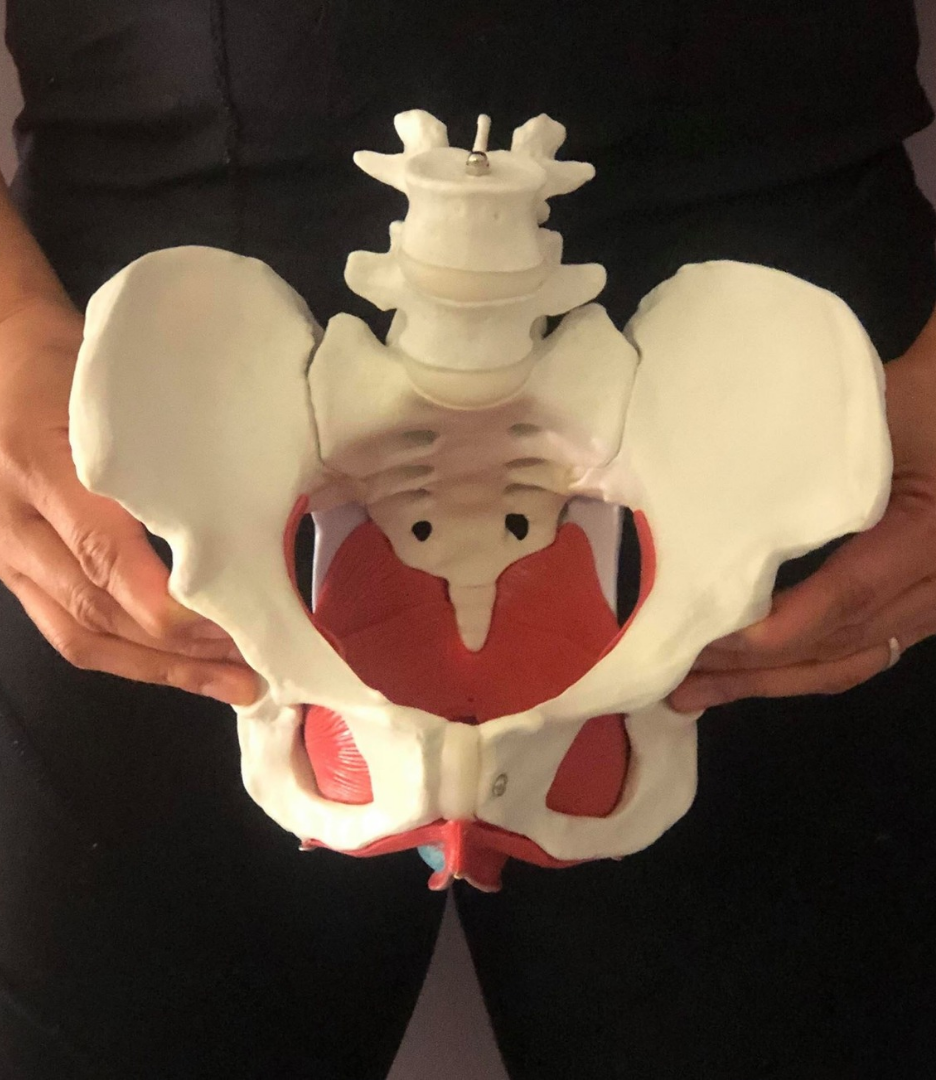
Your pelvic floor muscles form a supportive hammock for your bladder, uterus (for women), and rectum. Strengthening these muscles can provide important health benefits, but not every pelvic floor condition requires strengthening. Pelvic floor physiotherapy can help determine whether your muscles need strengthening, relaxation, or improved coordination before starting an exercise program.
Benefits of Kegel Exercises
Kegel exercises significantly enhance your health by strengthening your pelvic floor muscles. If you’re a woman, you’ll notice improved bladder control, preventing the inconvenience of urinary incontinence. By maintaining the integrity of your pelvic floor, you’ll reduce the risk of pelvic organ prolapse, where organs like your bladder or uterus can descend into the vaginal area. Additionally, stronger pelvic muscles will enhance your sexual health and satisfaction by increasing vaginal tone and sensation, which can elevate your overall sexual experience.
For men, Kegel exercises offer similar benefits. You’ll find improved bladder control and prevention of urinary incontinence, which becomes crucial as you age or after prostate surgery. These exercises support your recovery post-surgery by strengthening your pelvic floor muscles, helping restore your urinary function more quickly and efficiently. Additionally, you’ll experience enhanced sexual health, as Kegels can address erectile dysfunction and improve ejaculation control. Strengthening your pelvic floor improves blood flow to your genital area, leading to stronger erections and greater sexual satisfaction.
Identifying Your Pelvic Floor Muscles
Finding the right muscles is crucial for effective Kegel exercises. You can identify them by stopping urination midstream. Only do this to locate the muscles, not regularly. Another method is to tighten the muscles that prevent you from passing gas.
How to Do Kegel Exercises
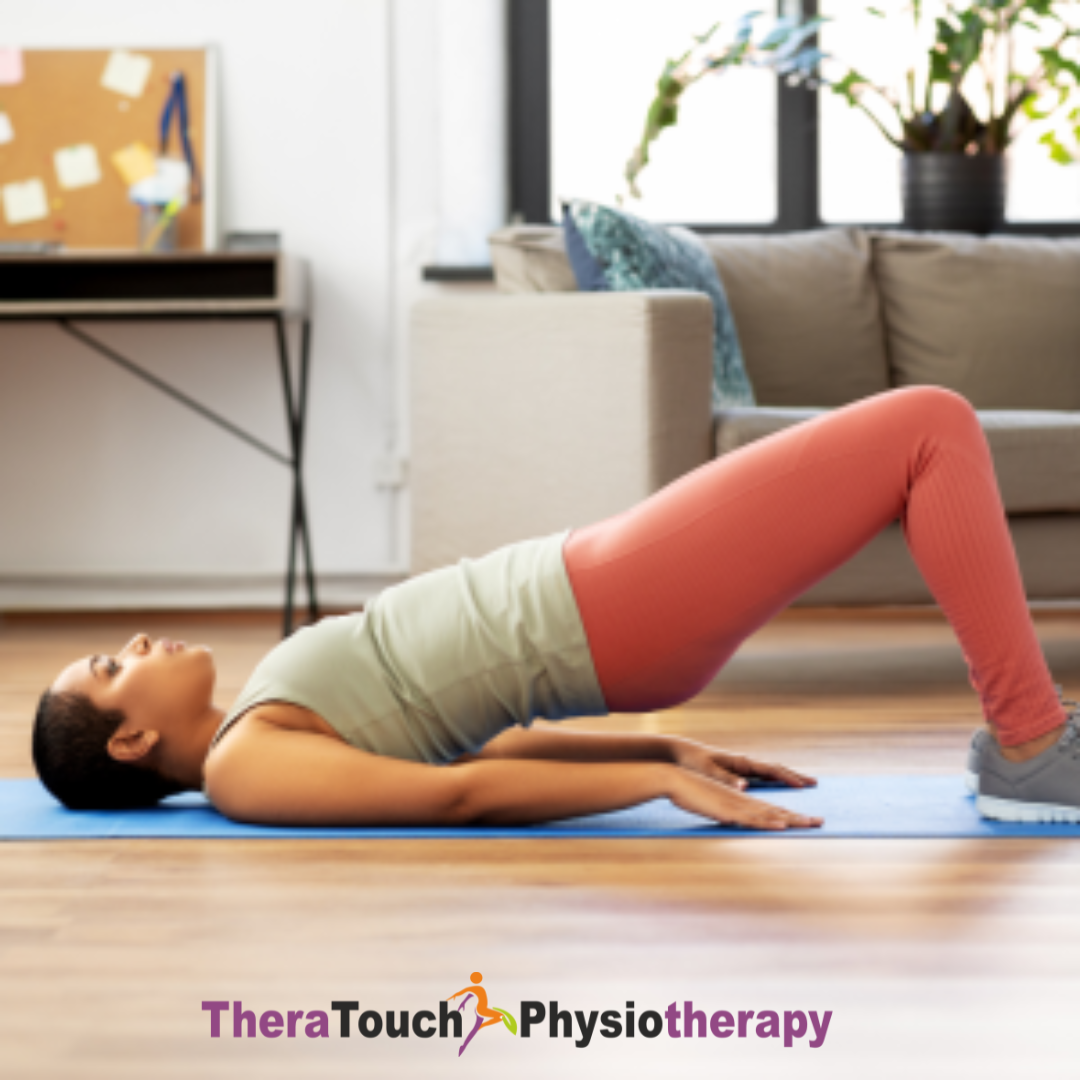
Step 1: Choose a comfortable position—sitting, standing, or lying down works well.
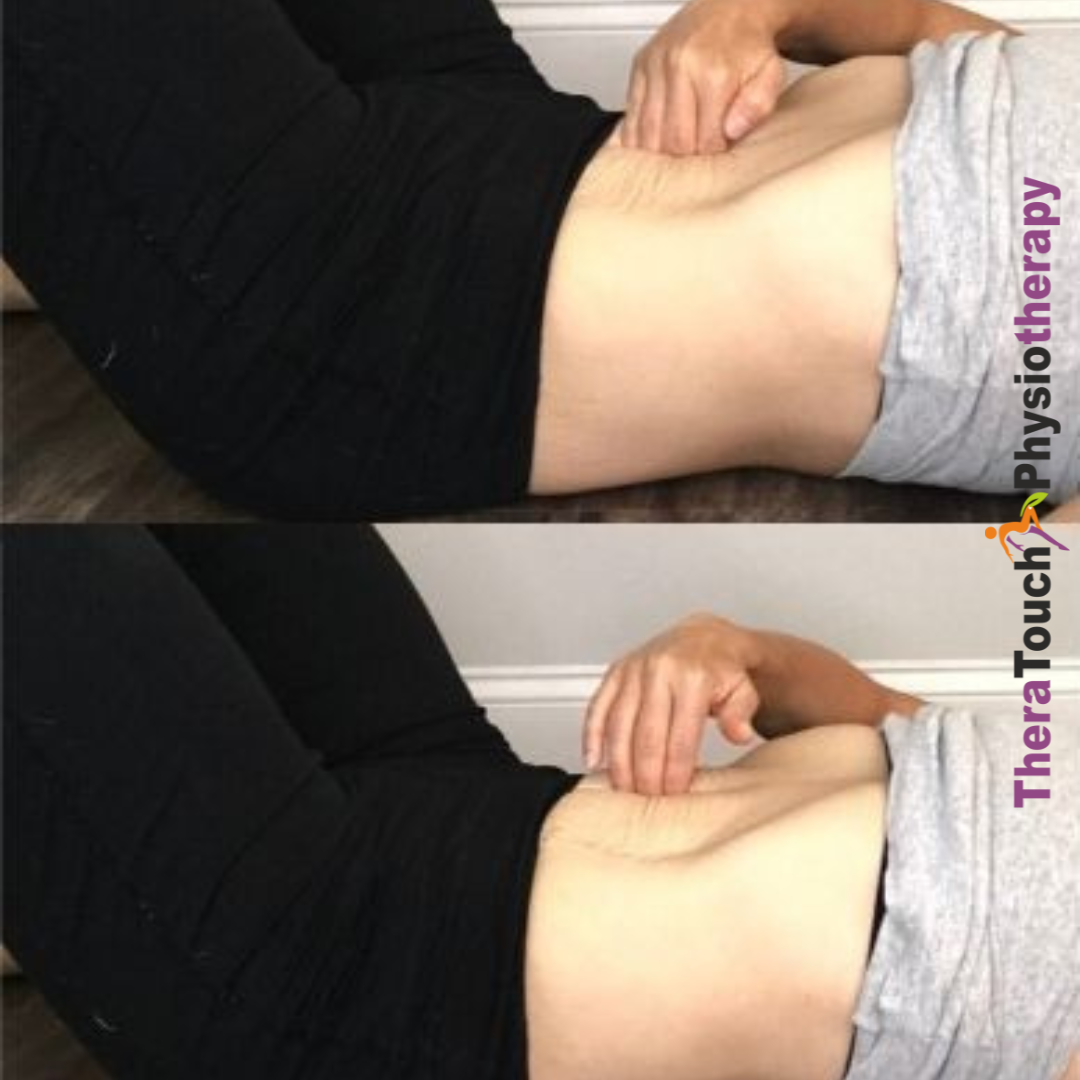
Step 2: Tighten your pelvic floor muscles (pretending to stop your urine mid stream), holding the contraction for about 3-5 seconds. Ensure you’re not tightening your abdominal, thigh, or buttock muscles.
Step 3: Release the contraction and relax for 3-5 seconds. The relaxation phase is just as important as the contraction.
Step 4: Aim for at least 10 repetitions, three times a day. As your muscles strengthen, gradually increase the duration of contractions and the number of repetitions.
Tips for Effective Kegel Exercises
Consistency is key. Integrate Kegel exercises into your daily routine—whether brushing your teeth, watching TV, or sitting at your desk. Avoid overworking your muscles, as this can lead to fatigue. Remember to breathe normally throughout the exercises, avoiding holding your breath.
Common Mistakes to Avoid
Using the wrong muscles can hinder progress. Ensure you’re only tightening your pelvic floor muscles, not your abdomen, thighs, or buttocks. Don’t skip the relaxation phase between contractions. Consistency is essential; make Kegels a regular part of your routine to see results.
Advanced Kegel Exercises
Once you’re comfortable with the basics, try more advanced techniques. Long hold Kegels involve gradually increasing the duration of each contraction to 10 seconds. Quick flicks, where you quickly contract and relax your pelvic floor muscles, help improve muscle endurance. For a challenge, imagine your pelvic floor as an elevator, lifting your muscles to different “floors” and holding at each level before gradually lowering them back down.
Kegel exercises are a simple yet effective way to strengthen your pelvic floor muscles, offering numerous health benefits. By incorporating these exercises into your daily routine, you can improve bladder control, reduce the risk of pelvic organ prolapse, and enhance sexual health. Consistency and proper technique are key to seeing results. Start today and take control of your pelvic health!
Start integrating Kegel exercises into your daily routine and experience the benefits. If you have any questions or need further guidance, don’t hesitate to reach out. Your pelvic health is important, and these small steps can make a big difference in your overall well-being.
Take the Next Step Toward Better Pelvic Health
Kegel exercises are an excellent way to improve pelvic floor strength, bladder control, and overall pelvic health—but they’re most effective when performed correctly. If you’re experiencing urinary leakage, pelvic pain, pelvic organ prolapse symptoms, or you’re unsure whether Kegel exercises are right for you, a professional assessment can make all the difference.
At TheraTouch Physiotherapy, our experienced pelvic floor physiotherapists provide one-on-one assessments and personalized treatment plans tailored to your unique needs. We’ll help you determine whether your pelvic floor muscles need strengthening, relaxation, or a combination of both so you can achieve lasting results safely and confidently.
Ready to take control of your pelvic health? Contact TheraTouch Physiotherapy today or book your pelvic floor physiotherapy assessment online and let our team help you move with confidence.
Frequently Asked Questions
How long does it take for Kegel exercises to work?
With regular practice, many people notice improvements in bladder control and pelvic floor strength within 4 to 8 weeks. Results vary depending on your condition and whether the exercises are performed correctly.
Can you do Kegel exercises every day?
Yes. Kegel exercises are generally safe to perform daily. However, it’s important not to overwork the muscles and to allow them to fully relax between contractions.
Can Kegel exercises make symptoms worse?
In some cases, yes. If your pelvic floor muscles are already too tight, strengthening exercises may increase discomfort or worsen symptoms. A pelvic floor physiotherapy assessment can determine the most appropriate treatment for you.
Are Kegel exercises only for women?
No. Men can also benefit from Kegel exercises, particularly for improving bladder control, supporting recovery after prostate surgery, and enhancing pelvic floor function.
When should I see a pelvic floor physiotherapist?
If you’re experiencing urinary leakage, pelvic pain, pelvic heaviness, constipation, painful intercourse, or you’re unsure whether you’re performing Kegel exercises correctly, it’s a good idea to schedule an assessment with a pelvic floor physiotherapist.