Visit Us
2249 Carling Ave. Suite 201
Call Us
613-709-8001
Email Us
info@theratouchphysio.com
Opening Hours
Mon - Fri: 9 AM - 6:30 PM | Sat: 10 AM - 5 PM
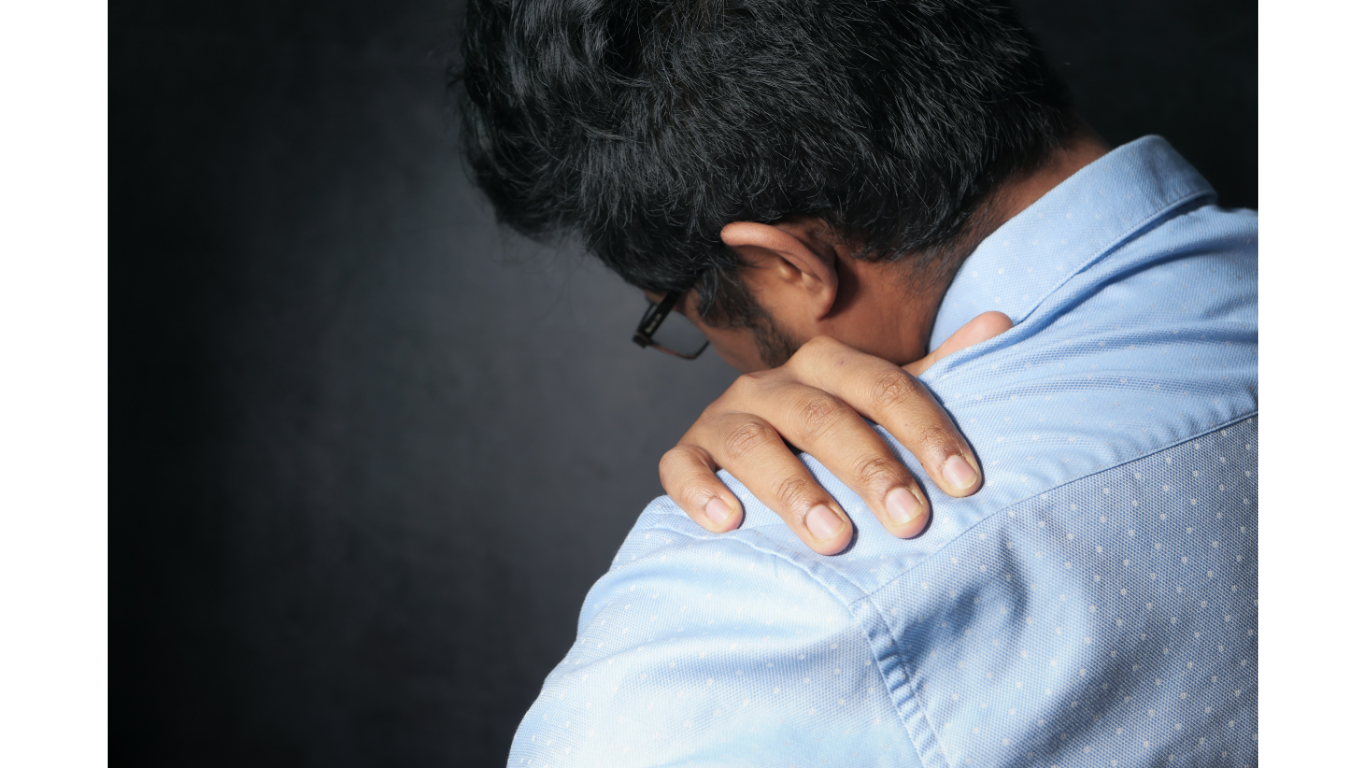
physiotherapy treatment correcting movement dysfunction for chronic pain recovery

Why Movement Patterns Matter More Than Pain — A Physiotherapy Perspective on Long-Term Recovery

Pain is often treated as the primary problem. However, in many cases, it is simply a symptom of a deeper issue — how the body moves.

Modern physiotherapy increasingly focuses on identifying and correcting movement dysfunctions, rather than only addressing pain itself. This approach not only helps relieve current discomfort but also prevents recurring injuries.

Understanding Movement Dysfunction

Movement dysfunction refers to inefficient or abnormal movement patterns that place excessive stress on muscles, joints, and connective tissues.

These dysfunctions can develop gradually due to:

  • Prolonged sitting or sedentary lifestyle
  • Repetitive movements (work or sports-related)
  • Poor posture
  • Previous injuries
  • Muscle imbalances

Over time, the body adapts to these patterns, even if they are harmful.

Why Pain Is Not Always the Root Cause

Pain does not always originate from the area where it is felt.

For example:

  • Lower back pain may result from weak core stability
  • Shoulder pain may be linked to poor thoracic mobility
  • Knee pain can stem from hip or ankle dysfunction

This is why treating only the painful area may provide temporary relief but not long-term results.

The Role of Physiotherapy in Movement Correction

Physiotherapy focuses on identifying the underlying causes of movement dysfunction through detailed assessment.

This typically includes:

  • Postural analysis
  • Movement screening
  • Strength and mobility testing
  • Functional activity assessment

Based on these findings, a targeted treatment plan is created.

Key Components of Movement-Based Rehabilitation

1. Mobility Restoration

Restricted joints or tight muscles are addressed through manual therapy and guided exercises.

2. Strength Development

Weak muscle groups are strengthened to support proper movement patterns.

3. Motor Control Training

Patients learn how to move correctly and efficiently during daily activities.

4. Load Management

Gradual exposure to physical stress helps build resilience without causing reinjury.

Common Signs of Movement Dysfunction

You may benefit from physiotherapy if you experience:

  • Pain that returns after temporary relief
  • Stiffness or restricted movement
  • Poor posture during sitting or standing
  • Difficulty performing daily activities
  • Recurring injuries

These signs often indicate an underlying mechanical issue rather than an isolated condition.

Long-Term Benefits of Correcting Movement Patterns

Addressing movement dysfunction offers several advantages:

  • Reduced risk of recurring pain
  • Improved strength and stability
  • Better posture and body awareness
  • Enhanced performance in daily and physical activities
  • Greater overall resilience

Rather than focusing only on symptom relief, this approach improves how the body functions as a whole.

Final Thoughts

Pain is not always the problem — it is often a signal. Understanding and correcting the way the body moves is essential for long-term recovery and injury prevention.

Through physiotherapy, individuals can address the root cause of discomfort, regain control of their movement, and build a stronger, more efficient body.

Frequently Asked Questions

Why does pain continue after an injury has healed?

Pain can continue after healing when the body develops altered movement patterns, reduced strength, or increased nervous system sensitivity. In many cases, the issue is related to how the body moves rather than ongoing tissue damage.

What is movement dysfunction in physiotherapy?

Movement dysfunction refers to inefficient or abnormal movement patterns that place excessive stress on muscles, joints, and connective tissues. Physiotherapy helps identify and correct these patterns through movement assessment, strengthening, mobility exercises, and rehabilitation.

Can physiotherapy help with recurring pain?

Yes, physiotherapy can help manage recurring pain by addressing the underlying causes such as muscle imbalances, restricted mobility, poor posture, and reduced stability. The focus is on improving long-term movement and function rather than only temporary symptom relief.

How long does it take to correct movement patterns?

The recovery timeline depends on the individual, the severity of the dysfunction, and consistency with treatment. Some people notice improvement within a few sessions, while long-term correction typically requires a structured rehabilitation program and regular exercise.
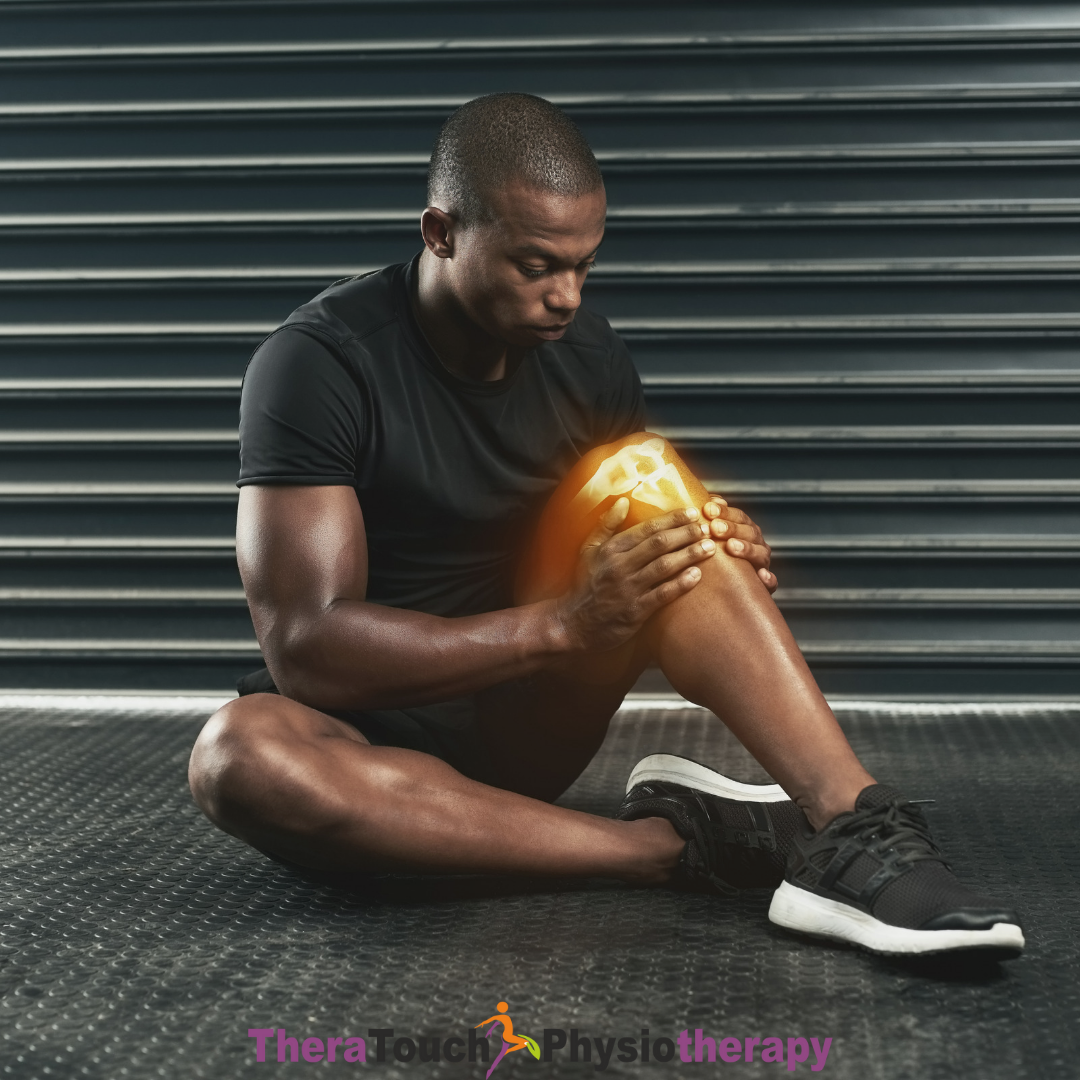

Sports Injury Physiotherapy on Carling avenue

Sports Injury Physiotherapy: Recover Safely and Return to Performance

Sports injuries can be frustrating — not only because they hurt, but because they interrupt training, performance, and daily movement. The good news is that with the right plan, most people return stronger and more prepared than before.

Sports injury physiotherapy is designed to help you recover safely, rebuild capacity, and reduce the chances of the same injury coming back again.

Step one: identify what actually caused the injury

Many injuries aren’t caused by one single moment — they build over time due to:

  • Training load spikes (too much too soon)
  • Poor recovery and sleep
  • Weakness or reduced control in key joints (hip, ankle, shoulder)
  • Movement compensations from old injuries
  • Repetitive strain (running mechanics, lifting form, posture)

A proper assessment should look at more than the painful area — it should look at how your body is moving.

What sports injury physiotherapy typically includes

A strong sports rehab plan usually combines:

  • Pain management (early stage): calming irritation without fully resting everything
  • Mobility work: restoring range of motion where needed
  • Strength rebuilding: progressive loading (this is where the long-term change happens)
  • Neuromuscular control: balance, stability, coordination
  • Sport-specific drills: gradual exposure to real movements
  • Return-to-sport planning: criteria-based progression, not guesswork

Common injuries physio can help with

Sports injury physio often supports:

  • Sprains and strains
  • Tendon pain (Achilles, patellar, rotator cuff)
  • Runner’s knee and shin pain
  • Hip and low back overload
  • Shoulder pain in overhead sports
  • Post-surgical rehab (when appropriate)

Why “rest until it’s gone” often fails

Complete rest can reduce symptoms short-term — but if strength and control aren’t rebuilt, the issue often returns when you resume training.

Rehab is about smart exposure:

  • Reduce the aggravating load
  • Keep what you can do safely
  • Rebuild capacity in a structured progression

How long does recovery take?

It depends on:

  • Injury type and severity
  • How long it’s been there
  • Your current training load
  • Your consistency with rehab

A good physio plan should give you milestones and clear next steps instead of vague timelines.

Where dry needling can fit into sports injury rehab

For some athletes, dry needling can be used to reduce muscle tension and help with movement — especially when tightness is limiting rehab progress. It’s typically used as a support tool, not a standalone solution.

Signs you should get assessed sooner

Consider a physio assessment if:

  • Pain returns every time you train
  • You’re changing your movement to “avoid pain”
  • You feel unstable or weak in a joint
  • You’ve rested but the issue keeps coming back
  • You’re unsure how to safely return to sport

If you’re ready for a clear, structured approach rather than short-term fixes, sports injury physiotherapy can help you rebuild strength and return with confidence. Book an assessment with TheraTouch Physiotherapy to begin your recovery.

Understanding Rotator Cuff Injury: Causes, Symptoms, and Treatment Options

Rotator Cuff Injury

Rotator cuff injuries are a common source of shoulder pain and can significantly impact daily activities and overall quality of life. Whether you’re an athlete or someone who engages in repetitive overhead motions, it’s essential to understand the causes, symptoms, and available treatments for rotator cuff injuries. In this blog post, we’ll delve into the details of rotator cuff injuries, helping you gain valuable insights to manage and recover from this condition effectively.

Causes of Rotator Cuff Injuries

  1. Overuse and repetitive motions: Learn how repetitive overhead activities, such as throwing, lifting, or painting, can lead to strain and gradual wear and tear on the rotator cuff tendons.
  2. Traumatic injuries: Discover how a sudden fall, direct impact, or forceful pulling of the shoulder can result in acute rotator cuff tears.
  3. Age-related degeneration: Understand the role of aging in the development of rotator cuff injuries and how changes in tendon quality and blood supply can increase the risk.

Symptoms of Rotator Cuff Injuries

  1. Shoulder pain and tenderness: Explore the characteristic pain experienced with rotator cuff injuries, which may worsen during specific movements or at night.
  2. Weakness and limited range of motion: Learn how rotator cuff injuries can cause weakness and difficulty in performing everyday tasks like lifting objects or reaching overhead.
  3. Clicking or popping sensations: Discover the significance of clicking or popping sounds during shoulder movements and their association with rotator cuff injuries.

Effective Treatments for Rotator Cuff Injuries

  1. Non-surgical treatments: Explore conservative approaches such as rest, ice therapy, physical therapy exercises, and the use of nonsteroidal anti-inflammatory drugs (NSAIDs) to reduce pain and inflammation. Cortisone shots can help reduce pain, swelling, and inflammation in the shoulder.
  2. Surgical options: Understand when surgical intervention may be necessary, the different surgical techniques available, and the expected recovery process.
  3. Physical therapy Rehabilitation and post-treatment care: Learn about the importance of post-treatment rehabilitation programs to restore shoulder strength, flexibility, and function.

Rotator cuff injuries can be debilitating, but with proper understanding and timely intervention, individuals can recover and regain their shoulder function. If you suspect a rotator cuff injury, it’s crucial to seek medical attention for an accurate diagnosis and appropriate treatment plan. Remember, early detection and appropriate care are key to a successful recovery. By following the recommended treatments and engaging in rehabilitation, you can take the necessary steps toward healing and restoring your shoulder health.

Physiotherapy is an effective solution for treating Rotator cuff injuries, addressing persistent conditions, and expediting the healing process. Your licensed physiotherapists evaluate your specific condition and provide personalized recommendations or therapies to help you manage your Rotator cuff injury effectively

Table of Contents:

  1. Introduction
  2. Causes of Rotator Cuff Injuries

2.1 Overuse and repetitive motions

2.2 Traumatic events

2.3 Age-related degeneration

  1. Symptoms of Rotator Cuff Injuries

3.1 Shoulder pain and tenderness

3.2 Weakness and limited range of motion

3.3 Audible sensations

  1. Effective Treatments for Rotator Cuff Injuries

4.1 Non-surgical approaches

4.2 Surgical options

4.3 Rehabilitation and post-treatment care

  1. Conclusion

TheraTouch Physio Rotator Cuff Shoulder Pain