Visit Us
2249 Carling Ave. Suite 201
Call Us
613-709-8001
Email Us
info@theratouchphysio.com
Opening Hours
Mon - Fri: 9 AM - 6:30 PM | Sat: 10 AM - 5 PM

How Pelvic Floor Physiotherapy Supports Pregnancy and Postpartum Health 

Pregnancy and Postpartum pelvic physiotherapy

Pregnancy and the postpartum period are transformative experiences that bring joy and challenges to women’s lives. During this time, the pelvic floor muscles undergo significant changes and may require special attention and care. Pelvic floor physiotherapy offers invaluable support to empower women throughout their pregnancy and postpartum journey. In this blog post, we will explore how pelvic floor physiotherapy can help you feel empowered, confident, and in control during this transformative phase of your life. 

  1. Preparing for Pregnancy: Pelvic floor physiotherapy can be beneficial even before conception. By addressing any existing pelvic floor issues or imbalances, such as weak muscles or pelvic pain, you can start your pregnancy journey on a healthier foundation. A pelvic floor assessment and targeted exercises can help strengthen your pelvic floor muscles, optimize their function, and promote better bladder control. 
  2. Supporting Pregnancy: During pregnancy, the pelvic floor experiences increased strain due to the growing baby, hormonal changes, and the weight of the uterus. Pelvic floor physiotherapy can help manage common pregnancy-related issues such as back pain, pelvic girdle pain, and incontinence. A physiotherapist can provide exercises and techniques to strengthen the pelvic floor muscles, promote better posture, and enhance overall pelvic stability, empowering you to navigate the physical demands of pregnancy with greater comfort and confidence. 
  3. Preparing for Labor and Delivery: Pelvic floor physiotherapy plays a vital role in preparing for labor and delivery. Through specialized exercises and techniques, you can learn to relax and control your pelvic floor muscles, facilitating the birthing process. A physiotherapist can guide you in practicing perineal massage and breathing techniques to reduce the risk of perineal tears and promote more efficient labor. 
  4. Postpartum Recovery: After giving birth, your body undergoes a period of healing and adjustment. Pelvic floor physiotherapy is instrumental in supporting your postpartum recovery. A thorough assessment can identify any pelvic floor dysfunctions, such as weakened muscles or pelvic organ prolapse. With personalized exercises and techniques, you can regain strength, restore pelvic floor function, and address any issues like urinary incontinence, back pain or pain during intercourse. By nurturing your pelvic floor health, you can enhance your overall well-being and regain confidence in your body. 
  5. Addressing Mental and Emotional Well-being: Pelvic floor physiotherapy also acknowledges the emotional and psychological aspects of pregnancy and postpartum. Your physiotherapist can provide guidance and support, addressing any concerns or anxieties you may have regarding your pelvic floor health. By fostering an open and supportive environment, pelvic floor physiotherapy empowers you to take an active role in your well-being and encourages a positive mindset throughout your journey. 

In conclusion, Pelvic floor physiotherapy is an invaluable resource for women during pregnancy and postpartum. Promoting physical strength, providing valuable support, and addressing emotional well-being, empowers you to embrace this transformative phase of life with confidence and resilience. If you are pregnant or have recently given birth, consider seeking the guidance of a qualified pelvic floor physiotherapist who can tailor a program to meet your unique needs. Embrace the power of pelvic floor physiotherapy and unlock your potential to thrive during this remarkable time. 

Table of Contents

  1. Introduction
  2. Preparing for Pregnancy
  3. Supporting Pregnancy
  4. Preparing for Labor and Delivery
  5. Postpartum Recovery
  6. Addressing Mental and Emotional Well-being
  7. Conclusion
  8. Introduction

Pelvic Floor Physiotherapy: An Effective Solution for Incontinence

Pelvic floor physiotherapy treatment for incontinence in Ottawa

Introduction

Incontinence is a common condition that affects people of all ages, yet many are hesitant to discuss it. It involves the unintentional leakage of urine or stool and may occur as stress incontinence, urge incontinence, overflow incontinence, or mixed types.

While incontinence can feel frustrating and limiting, it is highly treatable. One of the most effective, non-invasive solutions is pelvic floor physiotherapy. This specialized therapy strengthens and retrains the muscles responsible for bladder and bowel control, helping individuals regain confidence and return to their daily routines without fear of leakage.

Understanding Incontinence

Incontinence can develop for many reasons, such as:

  • Weak pelvic floor muscles

  • Pregnancy and childbirth

  • Menopause or hormonal shifts

  • Prostate conditions or pelvic surgery

  • Aging

  • Chronic constipation

  • Medication effects

Regardless of its cause, incontinence often disrupts daily life. People may avoid physical activities, social events, or long outings due to fear of leakage. Over time, this can impact confidence, comfort, and emotional well-being.

While incontinence is often associated with women, men can also experience leakage due to prostate changes, surgery, or weakened pelvic muscles.

The good news: most types of incontinence improve significantly with the right treatment. Our clinic also provides specialized care through our men’s pelvic health physiotherapy in Ottawa program, designed to address male-specific pelvic floor concerns.

What Is Pelvic Floor Physiotherapy?

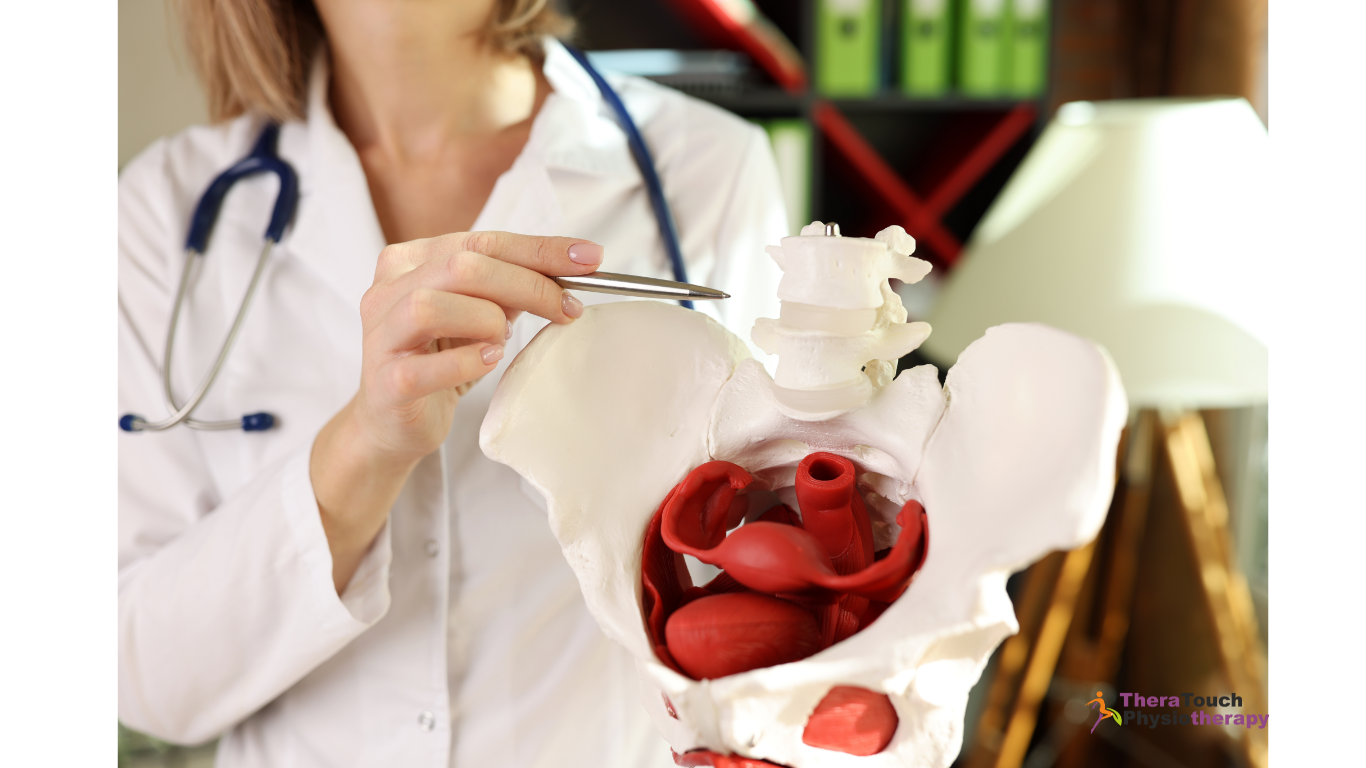
Pelvic floor physiotherapy focuses on the pelvic floor—the group of muscles that support the bladder, uterus or prostate, and rectum. These muscles also control urination, bowel movements, and sexual function.

When these muscles weaken, tighten, or lose coordination, leakage can occur. Pelvic floor physiotherapy strengthens, relaxes, and retrains these muscles, helping restore normal bladder control.

This treatment approach is:

  • Non-invasive

  • Drug-free

  • Supported by research

  • Effective for both men and women

Working with a pelvic health physiotherapist helps patients learn correct techniques and develop long-lasting improvements.
At TheraTouch Physiotherapy, we provide pelvic floor physiotherapy in Ottawa to help patients regain bladder control with personalized treatment plans.

The Pelvic Floor Physiotherapy Process

Initial Assessment

Your treatment begins with a detailed assessment. The physiotherapist reviews your symptoms, medical history, and pelvic floor muscle function. This helps identify the exact cause of your incontinence.

Personalized Treatment Plan

Your physiotherapist then creates a customized treatment plan using techniques such as:

  • Targeted pelvic floor strengthening

  • Relaxation and breathing training

  • Manual therapy

  • Biofeedback

  • Core exercises

  • Bladder training

  • Posture and lifestyle adjustments

You receive one-on-one guidance, regular progress checks, and ongoing support.

Results and Effectiveness

Pelvic floor physiotherapy has strong scientific support. Research shows that treatment can lead to:

  • Fewer leakage episodes

  • Stronger pelvic floor muscles

  • Better bladder control

  • Improved confidence and quality of life

Many individuals notice improvements within a few weeks, with continued progress over 2–3 months.

Tips for Choosing a Pelvic Floor Physiotherapist

For the best experience, look for a physiotherapist who:

  • Specializes in pelvic floor rehabilitation

  • Has advanced pelvic health certifications

  • Makes you feel comfortable discussing sensitive concerns

  • Has positive reviews or referrals

A qualified expert ensures safe, effective, and personalized care.

Lifestyle Changes to Support Pelvic Floor Health

Nutrition

Eat fiber-rich foods, stay hydrated, and avoid constipation—these habits support pelvic floor function.

Exercise

Strengthen your core and pelvic floor regularly while avoiding high-pressure exercises if advised by your physiotherapist.

Stress Management

Practices such as breathing exercises, meditation, and yoga help reduce unnecessary pelvic tension.

Overcoming the Stigma Surrounding Incontinence

Many people avoid seeking help due to embarrassment or misconceptions. Creating open conversations and promoting awareness helps break this stigma. Incontinence is a medical condition—and effective treatment exists.

Conclusion

Pelvic floor physiotherapy provides a safe, effective, and empowering solution for individuals experiencing incontinence. With personalized care and consistent practice, you can regain control, restore confidence, and return to activities you enjoy.

Taking the first step toward treatment can make a life-changing difference.

If you’re experiencing symptoms of incontinence, taking the first step toward treatment can make a significant difference. You can easily schedule your initial assessment through our online booking page and begin your path toward improved pelvic health.

Most people notice changes within a few weeks, with significant improvements around 8–12 weeks.

Yes. It is one of the safest and most recommended approaches for postpartum incontinence.

Absolutely. It helps men with prostate-related leakage, post-surgery symptoms, and pelvic muscle weakness.

Side effects are rare. Some may experience mild muscle soreness initially, which normally fades with practice.