Visit Us
2249 Carling Ave. Suite 201
Call Us
613-709-8001
Email Us
info@theratouchphysio.com
Opening Hours
Mon - Fri: 9 AM - 6:30 PM | Sat: 10 AM - 5 PM

Shoulder Pain: The Role of Physiotherapy

Some conditions that our physiotherapists treat

Are you grappling with persistent shoulder discomfort that hampers your daily activities? This blog is designed to be your compass through the intricate landscape of shoulder discomfort. We will delve into the origins of shoulder pain, explore evidence-based remedies, and emphasize the transformative impact of shoulder physiotherapy in not only providing relief but also in restoring optimal functionality and well-being.

Unveiling Shoulder Pain’s Origins

Shoulder discomfort or pain originates from various sources, each demanding specific attention.

Muscle Tension: Tense shoulder muscles restrict motion and cause discomfort. But you can explore strategies to relieve this tension for improved flexibility and comfort.

Joint Issues: Inflammation or arthritis within the shoulder joint leads to persistent pain. Understand how these issues affect your shoulder’s function and discover ways to manage and alleviate discomfort.

Injuries: Traumatic events, like strains or dislocations, contribute to ongoing shoulder pain but once an individual is able to decode the impact of injuries and explore rehabilitation strategies for a smoother recovery.

Posture and Overuse: Poor ergonomics and repetitive movements contribute to chronic shoulder discomfort. Learn how lifestyle factors affect your shoulder health and adopt corrective measures for lasting relief.

Evidence-Based Solutions for Shoulder Pain: Unlock a diverse set of evidence-based remedies that effectively manage shoulder pain

Medications: Delve into the targeted use of medications to alleviate pain and reduce inflammation so as to reduce discomfort.

Physical Therapy: Explore the benefits of shoulder physiotherapy and coupled with tailored exercises designed to enhance mobility and ease pain.

Manual Therapy: Understand how expert hands-on techniques address muscle tension, improve joint mobility, and expedite the healing process.

Posture Correction: Learn about ergonomic adjustments and posture correction as essential elements in preventing recurring shoulder discomfort.

Unraveling the Mechanics of Shoulder Physiotherapy to Address Shoulder Pain

Embark on a journey through the intricate process of shoulder physiotherapy, where each step is a deliberate stride towards your pain-free mobility.

Comprehensive Assessment: Delve into the world of detailed evaluations that dissect the root cause of shoulder discomfort. This comprehensive assessment lays the foundation for a personalized treatment plan so that it ensures that every aspect of your discomfort is addressed with precision.

Targeted Exercises: Discover a repetition of customized exercises meticulously designed to fortify and mobilize shoulder muscles. Because these exercises not only promote flexibility but also play a pivotal role in diminishing pain. Unearth the power of movement tailored to your unique condition, unlocking a pathway to increased strength and resilience.

Manual Techniques: Grasp the impact of skilled hands-on interventions that release tension, enhance joint function and optimize overall shoulder mechanics. Through these manual techniques, you’ll experience a nuanced approach to healing from shoulder discomfort, where the expertise of your physiotherapist becomes a catalyst for tangible, immediate relief and relaxation.

Education and Prevention: Acquire valuable insights into shoulder conditions, effective pain management strategies, and preventative measures for the future. Because education is every important in this journey. Education becomes a beacon, not only guiding you through your current discomfort but also empowering you to actively participate in your shoulder health journey. 

In this meticulous exploration of shoulder physiotherapy, each element contributes meaningfully to your well-being. It’s a journey that transcends relief, aiming to equip you with the tools and knowledge needed for sustained shoulder health and a future free from discomfort..
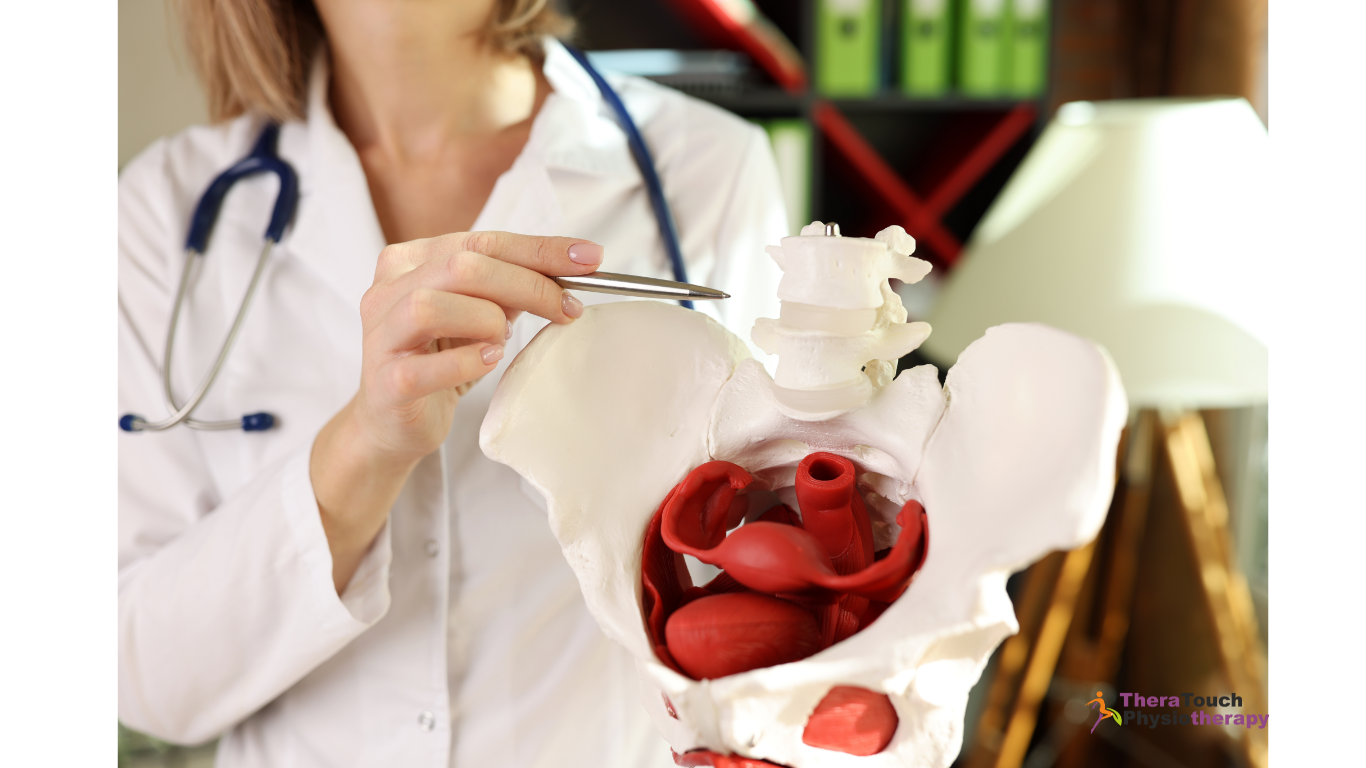

Understanding Pelvic Organ Prolapse: Causes, Symptoms, and Treatment Options

Pelvic organ prolapse
TheraTouch Physiotherapy prolapse

Pelvic organ prolapse occurs when one or more of the pelvic organs, such as the uterus, bladder, or rectum, descend and bulge into the vaginal wall. This condition is commonly caused by weakened or damaged pelvic floor muscles and ligaments that support the organs. Here are some causes, symptoms, and treatments of pelvic organ prolapse:

Causes of Pelvic organ prolapse:

  1. Pregnancy and childbirth: The process of pregnancy and vaginal delivery can stretch and weaken the pelvic floor muscles and tissues, leading to prolapse.
  2. Aging: As women age, the pelvic floor muscles naturally weaken, making them more susceptible to prolapse.
  3. Hormonal changes: Decreased estrogen levels during menopause can contribute to the weakening of pelvic floor muscles.
  4. Chronic constipation: Straining during bowel movements over a long period can weaken the pelvic floor and contribute to prolapse.
  5. Obesity: Excess weight can put increased pressure on the pelvic organs, leading to prolapse.
  6. Chronic coughing: Conditions like chronic bronchitis or asthma that cause persistent coughing can strain the pelvic floor muscles and contribute to prolapse.

Symptoms of Pelvic organ prolapse:

  1. Sensation of a bulge or pressure in the vagina.
  2. Feeling of heaviness or pulling in the pelvis.
  3. Pain or discomfort during sexual intercourse.
  4. Backache or lower abdominal pain.
  5. Urinary problems like frequent urination, urgency, or incontinence.
  6. Bowel movement difficulties or a sensation of incomplete emptying.
  7. Vaginal bleeding or discharge.

Treatments for Pelvic Organ Prolapse:

  1. Pelvic Floor Physiotherapy: Pelvic floor exercises such as Kegel exercises can help strengthen the pelvic floor muscles and improve symptoms.
  2. Lifestyle modifications: Maintaining a healthy weight, avoiding heavy lifting, and treating constipation or chronic coughing can reduce the risk of prolapse.
  3. Vaginal pessary: A removable device inserted into the vagina to provide support for the prolapsed organs.
  4. Hormone replacement therapy: Estrogen therapy may help improve the strength and elasticity of the pelvic tissues.
  5. Surgery: In severe cases, surgery may be recommended to repair the prolapse and provide support to the pelvic organs. There are different surgical techniques available depending on the specific prolapse and individual factors.

Pelvic Floor Physiotherapy is an effective solution for alleviating Pelvic organ prolapse symptoms, addressing persistent conditions, and expediting the healing process. Your licensed physiotherapists evaluate your specific condition and provide personalized recommendations or therapies to help you manage your Pelvic organ prolapse symptoms effectively

Table of Contents:

  1. Introduction
  2. Causes of Pelvic Organ Prolapse

2.1 Pregnancy and Childbirth

2.2 Aging

2.3 Hormonal Changes

2.4 Chronic Constipation

2.5 Obesity

2.6 Chronic Coughing

  • Symptoms of Pelvic Organ Prolapse

3.1 Sensation of a Bulge or Pressure

3.2 Feeling of Heaviness or Pulling

3.3 Pain or Discomfort During Intercourse

3.4 Backache or Lower Abdominal Pain

3.5 Urinary Problems

3.6 Bowel Movement Difficulties

3.7 Vaginal Bleeding or Discharge

  • Treatments for Pelvic Organ Prolapse

4.1 Pelvic Floor Physiotherapy

4.2 Lifestyle Modifications

4.3 Vaginal Pessary

4.4 Hormone Replacement Therapy

4.5 Surgery

  • Conclusion

Is Your Pelvic Floor Weak? Learn the Signs Now!

Weak pelvic floor muscles can affect your bladder, bowel, sexual health, and overall core stability. If you’re experiencing symptoms like leakage, pelvic pressure, or pain, you’re not alone — and support is available.
At TheraTouch Physiotherapy in Ottawa, our pelvic floor physiotherapists help you assess, diagnose, and strengthen your pelvic floor safely and effectively.

weak pelvic floor

What Is the Pelvic Floor?

The pelvic floor is a group of muscles and connective tissues that act like a supportive hammock for your bladder, uterus/prostate, and rectum. These muscles control urination, bowel movements, sexual function, and core stability.
When the pelvic floor becomes weak, it can lead to symptoms that affect your daily comfort and quality of life.

Common Causes of Pelvic Floor Weakness

How Do You Know If Your Pelvic Floor Is Weak?

Here are the most common signs, explained clearly so you can identify what’s normal — and what’s not.

Leaking urine when you cough, sneeze, laugh, or exercise is one of the clearest signs of pelvic floor weakness. This is known as stress urinary incontinence.

Feeling the urge to urinate often — even shortly after going — may indicate reduced pelvic support for the bladder.

Difficulty controlling gas or stool is linked to weakened pelvic floor muscles and reduced sphincter support.

A sensation of heaviness, pressure, or something “falling out” of the vagina or rectum is a major red flag.

Chronic pelvic pain, discomfort during sitting, or pressure in the lower abdomen can be caused by underactive pelvic floor muscles.

Weak pelvic floor muscles can reduce sensation, make intercourse uncomfortable, or contribute to low sexual satisfaction in both women and men.

Because the pelvic floor is part of your core, weakness often causes compensations that lead to back or hip pain.

Struggling to activate your core during workouts or daily activities is a common sign of pelvic instability and pelvic floor dysfunction.

How Is Pelvic Floor Weakness Diagnosed?

A proper assessment is essential. At TheraTouch Physiotherapy, your pelvic floor physiotherapist will evaluate your symptoms, discuss your medical history, and perform a gentle examination.
This ensures an accurate diagnosis and a personalized plan for strengthening your pelvic floor.

Book a Pelvic Floor Assessment

How to Improve a Weak Pelvic Floor

Weak pelvic floor muscles can be strengthened with the right approach. Your physiotherapist may recommend:

  • Pelvic floor exercises (Kegels) taught correctly

  • Deep core strengthening

  • Lifestyle modifications such as posture, breathwork, and lifting techniques

  • Managing constipation to prevent strain

  • Treating chronic cough

  • Education around bladder and bowel habits


Learn more about Pelvic Floor Physiotherapy

Frequently Asked Questions

Yes. Men can also develop pelvic floor weakness, leading to pelvic pain, leakage, or sexual dysfunction.

Mild cases may improve with exercises, but guided pelvic floor physiotherapy leads to more effective and lasting results.


No — treatment is gentle, evidence-based, and always tailored to your comfort.

Ready to Strengthen Your Pelvic Floor?

If you’re experiencing any of the symptoms above, early treatment can prevent the issue from worsening. Our pelvic floor physiotherapists in Ottawa provide private, one-on-one assessments and personalized treatment plans.


How Pelvic Floor Physiotherapy Supports Pregnancy and Postpartum Health 

Pregnancy and Postpartum pelvic physiotherapy

Pregnancy and the postpartum period are transformative experiences that bring joy and challenges to women’s lives. During this time, the pelvic floor muscles undergo significant changes and may require special attention and care. Pelvic floor physiotherapy offers invaluable support to empower women throughout their pregnancy and postpartum journey. In this blog post, we will explore how pelvic floor physiotherapy can help you feel empowered, confident, and in control during this transformative phase of your life. 

  1. Preparing for Pregnancy: Pelvic floor physiotherapy can be beneficial even before conception. By addressing any existing pelvic floor issues or imbalances, such as weak muscles or pelvic pain, you can start your pregnancy journey on a healthier foundation. A pelvic floor assessment and targeted exercises can help strengthen your pelvic floor muscles, optimize their function, and promote better bladder control. 
  2. Supporting Pregnancy: During pregnancy, the pelvic floor experiences increased strain due to the growing baby, hormonal changes, and the weight of the uterus. Pelvic floor physiotherapy can help manage common pregnancy-related issues such as back pain, pelvic girdle pain, and incontinence. A physiotherapist can provide exercises and techniques to strengthen the pelvic floor muscles, promote better posture, and enhance overall pelvic stability, empowering you to navigate the physical demands of pregnancy with greater comfort and confidence. 
  3. Preparing for Labor and Delivery: Pelvic floor physiotherapy plays a vital role in preparing for labor and delivery. Through specialized exercises and techniques, you can learn to relax and control your pelvic floor muscles, facilitating the birthing process. A physiotherapist can guide you in practicing perineal massage and breathing techniques to reduce the risk of perineal tears and promote more efficient labor. 
  4. Postpartum Recovery: After giving birth, your body undergoes a period of healing and adjustment. Pelvic floor physiotherapy is instrumental in supporting your postpartum recovery. A thorough assessment can identify any pelvic floor dysfunctions, such as weakened muscles or pelvic organ prolapse. With personalized exercises and techniques, you can regain strength, restore pelvic floor function, and address any issues like urinary incontinence, back pain or pain during intercourse. By nurturing your pelvic floor health, you can enhance your overall well-being and regain confidence in your body. 
  5. Addressing Mental and Emotional Well-being: Pelvic floor physiotherapy also acknowledges the emotional and psychological aspects of pregnancy and postpartum. Your physiotherapist can provide guidance and support, addressing any concerns or anxieties you may have regarding your pelvic floor health. By fostering an open and supportive environment, pelvic floor physiotherapy empowers you to take an active role in your well-being and encourages a positive mindset throughout your journey. 

In conclusion, Pelvic floor physiotherapy is an invaluable resource for women during pregnancy and postpartum. Promoting physical strength, providing valuable support, and addressing emotional well-being, empowers you to embrace this transformative phase of life with confidence and resilience. If you are pregnant or have recently given birth, consider seeking the guidance of a qualified pelvic floor physiotherapist who can tailor a program to meet your unique needs. Embrace the power of pelvic floor physiotherapy and unlock your potential to thrive during this remarkable time. 

Table of Contents

  1. Introduction
  2. Preparing for Pregnancy
  3. Supporting Pregnancy
  4. Preparing for Labor and Delivery
  5. Postpartum Recovery
  6. Addressing Mental and Emotional Well-being
  7. Conclusion
  8. Introduction