
Visit Us
2249 Carling Ave. Suite 201
Call Us
613-709-8001
Email Us
info@theratouchphysio.com
Opening Hours
Mon - Fri: 9 AM - 6:30 PM | Sat: 10 AM - 5 PM
Chronic neck and shoulder pain physiotherapy assessment and treatment

Chronic Neck and Shoulder Pain: Why It Keeps Returning — And What Helps

Neck and shoulder pain is one of the most common complaints in modern life.

Long hours at a desk.
Poor sleep posture.
Stress that settles into the upper back.

For many people, the pain improves temporarily — then quietly returns.

Understanding why that happens is often the key to lasting relief.

Why neck and shoulder pain keeps coming back

Pain in this area is rarely random. It often builds over time due to:

  • Prolonged sitting or screen use
  • Forward head posture
  • Reduced upper back mobility
  • Weakness in deep stabilising muscles
  • Stress-related muscle tension
  • Previous unresolved injuries

When certain muscles work harder than they should, they become tight and overactive. Meanwhile, supporting muscles may become underactive.

Stretching can ease the tension temporarily — but without addressing strength and control, the cycle often continues.

The role of posture (and why it’s not the whole story)

Posture does matter — but it’s not about sitting perfectly all day.

It’s more about:

  • How long you stay in one position
  • Whether you move regularly
  • How strong your supporting muscles are

Sustainable relief usually involves improving mobility in the upper back and building endurance in the neck and shoulder stabilisers.

What physiotherapy focuses on

A structured physiotherapy assessment typically looks at:

  • Cervical spine mobility
  • Shoulder mechanics
  • Scapular control
  • Muscle activation patterns
  • Workstation habits

Treatment may include:

  • Manual therapy
  • Targeted mobility work
  • Strengthening exercises
  • Movement retraining
  • Load management strategies

The goal is not just to reduce pain — but to change the reason the pain keeps returning.

Where dry needling may help

For persistent muscle knots or trigger points, dry needling may be used as part of a broader plan.

It can help reduce abnormal muscle tension and improve movement quality — especially when combined with strengthening and posture correction strategies.

It’s typically one component of a structured rehabilitation approach rather than a standalone fix.

Signs it’s time for assessment

Consider a physiotherapy assessment if:

  • Your neck pain returns every week
  • You wake up with stiffness most mornings
  • Headaches are linked to upper neck tension
  • You feel tight even after stretching
  • Pain worsens during desk work

Early intervention often prevents minor tension from becoming chronic discomfort.

Building long-term comfort and control

Chronic neck and shoulder pain often responds well to a combination of mobility, strength, and movement retraining.

With a structured plan and gradual progression, many people find that recurring tension becomes less frequent — and daily tasks feel easier.

If you’re looking for more than temporary relief, physiotherapy can help address the underlying causes and support long-term improvement.

Lower back pain physiotherapy assessment and treatment

Lower Back Pain: Common Causes and When to See a Physiotherapist

Lower back pain is one of the most common reasons people seek physiotherapy care.

It can begin suddenly after lifting something heavy — or develop gradually over weeks of prolonged sitting, repetitive movement, or reduced activity.

For some, it settles quickly. For others, it becomes recurring and frustrating.

Understanding what causes lower back pain — and when to seek support — can make a significant difference in recovery.

Common Causes of Lower Back Pain

Lower back discomfort is often linked to:

  • Prolonged sitting or poor movement variety
  • Muscle strain from lifting or sport
  • Reduced core stability
  • Limited hip mobility
  • Repetitive bending or twisting
  • Previous unresolved injury

In many cases, pain is not caused by one major incident — but by accumulated stress on the spine and surrounding muscles.

Is It Muscle, Joint, or Something Else?

Lower back pain can stem from:

  • Muscle tension or strain
  • Facet joint irritation
  • Disc irritation
  • Movement control deficits
  • Postural overload

A structured assessment helps determine which structures are involved and what type of treatment is appropriate.

When Should You See a Physiotherapist?

You may benefit from professional assessment if:

  • Pain lasts longer than 1–2 weeks
  • Discomfort returns frequently
  • Pain radiates into the leg
  • You feel stiffness every morning
  • Rest does not fully resolve symptoms
  • Movement feels restricted or unstable

Early physiotherapy intervention can often prevent acute pain from becoming chronic.

What Physiotherapy for Lower Back Pain Typically Involves

Treatment plans often include:

  • Manual therapy to reduce irritation
  • Mobility exercises for hips and spine
  • Core strengthening programs
  • Movement retraining
  • Gradual return to normal activity

The focus is not just pain relief — but restoring strength, mobility, and confidence in movement.

What Physiotherapy for Lower Back Pain Typically Involves

Physiotherapy for lower back pain focuses on identifying the root cause rather than simply masking symptoms.

Treatment plans may include:

Manual Therapy

Hands-on techniques can help reduce joint stiffness, improve mobility, and decrease muscle guarding. This may involve joint mobilisations or soft tissue techniques to restore more comfortable movement.

Targeted Mobility Work

Improving flexibility and movement in the hips, thoracic spine, and surrounding structures often reduces strain on the lower back.

Core and Stability Training

Strengthening deep stabilizing muscles helps improve spinal support and reduce recurring overload.

Movement Retraining

Addressing how you lift, bend, sit, or train can significantly reduce repetitive stress on the lumbar spine.

Gradual Return to Activity

Rather than prolonged rest, physiotherapy often involves graded exposure to normal activities to rebuild confidence and resilience.

The overall goal is not just pain relief — but restoring strength, mobility, and control to reduce future flare-ups.

Preventing Recurring Lower Back Pain

Prevention strategies often involve:

  • Improving core endurance
  • Maintaining hip mobility
  • Reducing prolonged static postures
  • Building gradual strength
  • Managing training loads appropriately

With the right plan, many people experience fewer flare-ups and improved daily comfort.

Taking the Next Step

If lower back pain is interfering with work, sport, or daily movement, a professional physiotherapy assessment can help identify the cause and guide a structured recovery plan.

Addressing the underlying factors early often leads to faster, more sustainable results.

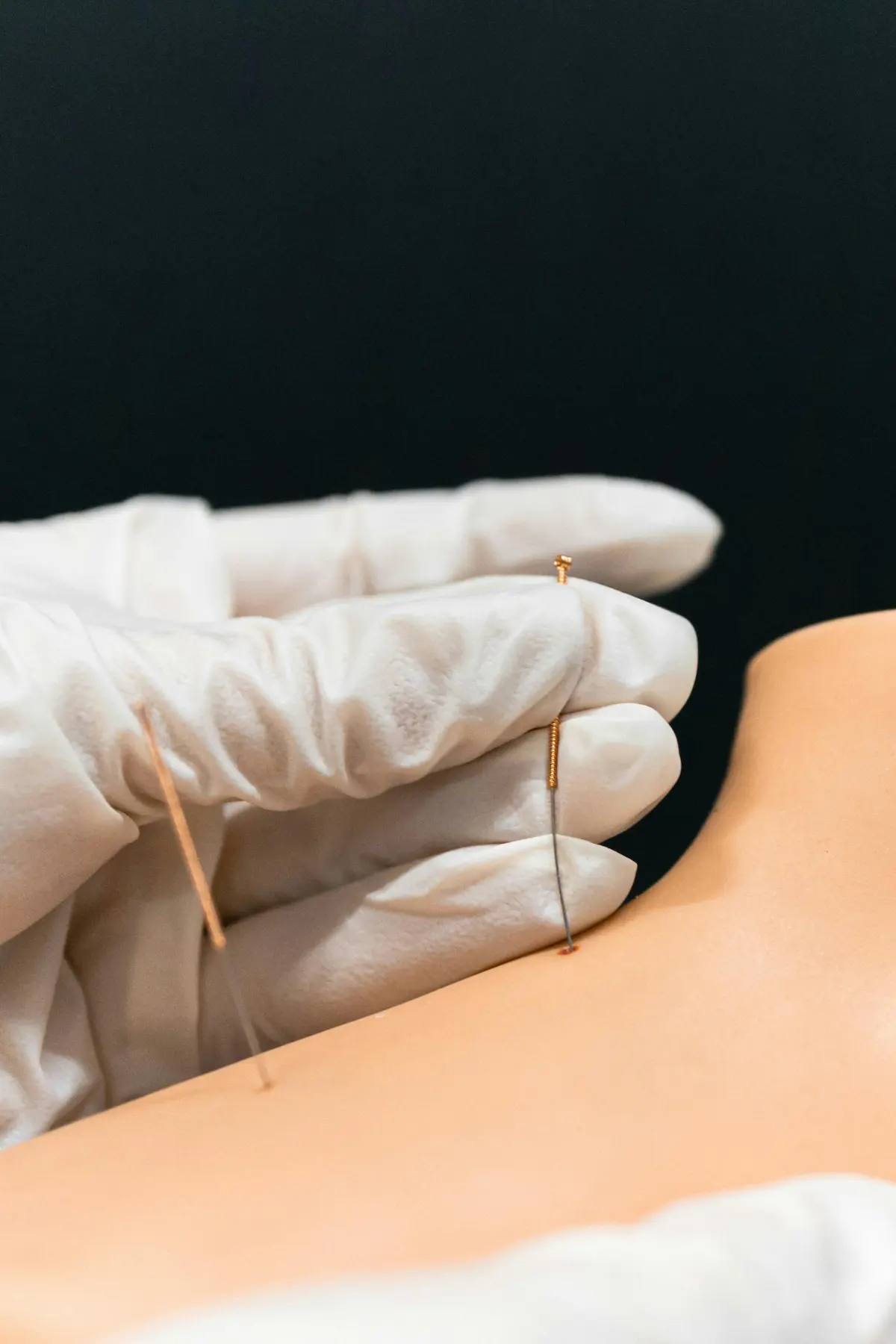
Dry needling therapy for muscle pain relief

Dry Needling for Muscle Pain, Recovery, and Mobility

Muscle tightness that keeps coming back can be frustrating — especially when stretching and massage don’t fully solve it.

Dry needling is often discussed as a “quick fix” for tight muscles — but in real practice, it works best when it’s part of a broader physiotherapy plan that also addresses strength, movement patterns, and recovery habits.

In this guide, we’ll explain what dry needling is, what it’s commonly used for, and how it can support mobility and recovery — especially for people dealing with persistent tightness, recurring pain, or movement restrictions.

Note: This article is general information and not medical advice. A physiotherapist can assess whether dry needling is appropriate for your situation.

Dry needling therapy for muscle pain relief


What is dry needling?

Dry needling is a technique where a trained clinician uses a thin, sterile needle to target sensitive points in muscles (often called trigger points). The goal is to reduce muscle tension and help restore more comfortable movement.

Unlike injections, there is no medication in the needle (that’s why it’s called “dry”).

Why do muscles get tight and painful in the first place?

Muscle pain and tightness often show up when the body is compensating. Common contributors include:

      • Repetitive strain (desk work, lifting, sports training)

      • Previous injury (even if it “healed” months ago)

      • Poor movement mechanics (overusing one area to protect another)

      • Stress and fatigue (which can increase muscle guarding)

      • Reduced strength or stability in key joints (hips, shoulders, core)

    Dry needling may help calm overactive tissue — but long-term results usually require addressing the root cause too.

    What can dry needling help with?

    Dry needling is commonly used as part of care plans for:

        • Localized muscle tightness and “knots”

        • Reduced range of motion (e.g., neck, shoulders, hips)

        • Overuse-related muscle soreness

        • Recovery support for athletes (when appropriate)

        • Persistent trigger-point related discomfort

      If you’re actively training or returning to sport, you’ll usually get better outcomes when dry needling is paired with rehab exercises and load management.

      Learn more about dry needling treatment here.

      What does dry needling feel like?

      People describe it differently. You might feel:

          • A quick pinch as the needle enters

          • A twitch response in the muscle (brief and normal)

          • A deep ache or pressure that fades quickly

        Afterward, it’s common to feel mild soreness (similar to a workout) for 24–48 hours.

        What should you do after a session?

        To get the best results:

            • Stay hydrated

            • Keep light movement (walking, gentle stretching)

            • Avoid intense training for 24 hours if you feel sore

            • Follow your rehab plan (mobility + strengthening)

          Dry needling works best when it’s not the only strategy — it’s a tool that supports better movement.

          Dry needling vs. acupuncture (quick clarity)

          These are different approaches:

              • Dry needling is typically based on muscle and movement assessment, targeting trigger points and neuromuscular function.

              • Acupuncture is traditionally based on broader systems and meridian points.

            Your physio can explain why a specific approach is recommended for your condition.

            When dry needling may not be the right fit

            Dry needling isn’t for everyone. It may be postponed or avoided depending on:

                • Certain medical conditions

                • Needle sensitivity or anxiety

                • Specific pregnancy considerations

                • Infection risk concerns

              A proper assessment matters.

              The bigger goal: pain relief + mobility + confidence in movement

              Most people don’t just want less pain — they want to:

                  • Move freely again

                  • Train without flare-ups

                  • Return to work comfortably

                  • Stop recurring “tightness cycles”

                That’s why combining dry needling with movement retraining is key.

                If your pain is linked with training or a return-to-sport plan, explore sports injury physiotherapy.


                If you’re dealing with persistent muscle tightness or movement restriction, book an assessment with TheraTouch Physiotherapy today.