
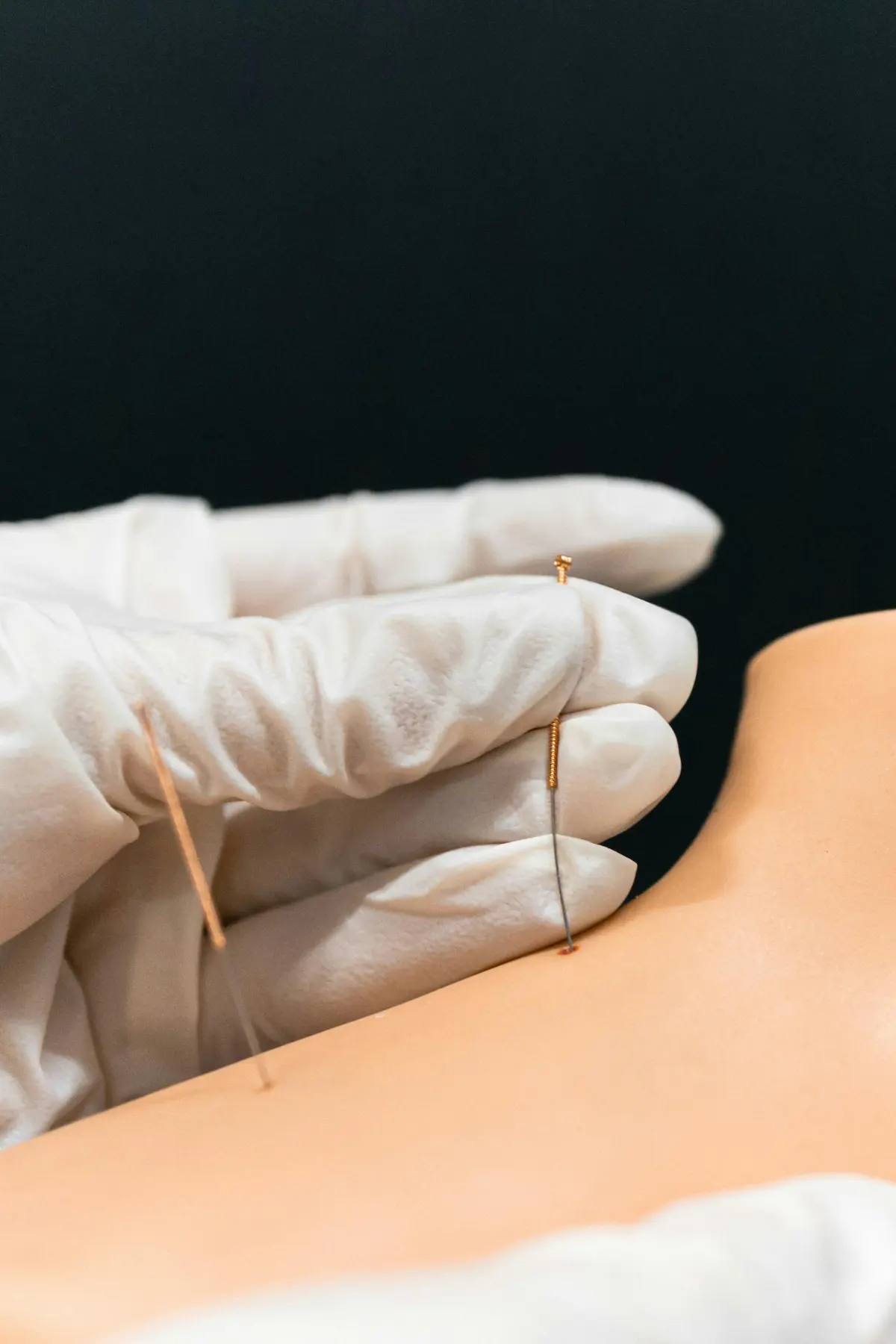
Dry Needling for Muscle Pain, Recovery, and Mobility
Muscle tightness that keeps coming back can be frustrating — especially when stretching and massage don’t fully solve it.
Dry needling is often discussed as a “quick fix” for tight muscles — but in real practice, it works best when it’s part of a broader physiotherapy plan that also addresses strength, movement patterns, and recovery habits.
In this guide, we’ll explain what dry needling is, what it’s commonly used for, and how it can support mobility and recovery — especially for people dealing with persistent tightness, recurring pain, or movement restrictions.
Note: This article is general information and not medical advice. A physiotherapist can assess whether dry needling is appropriate for your situation.
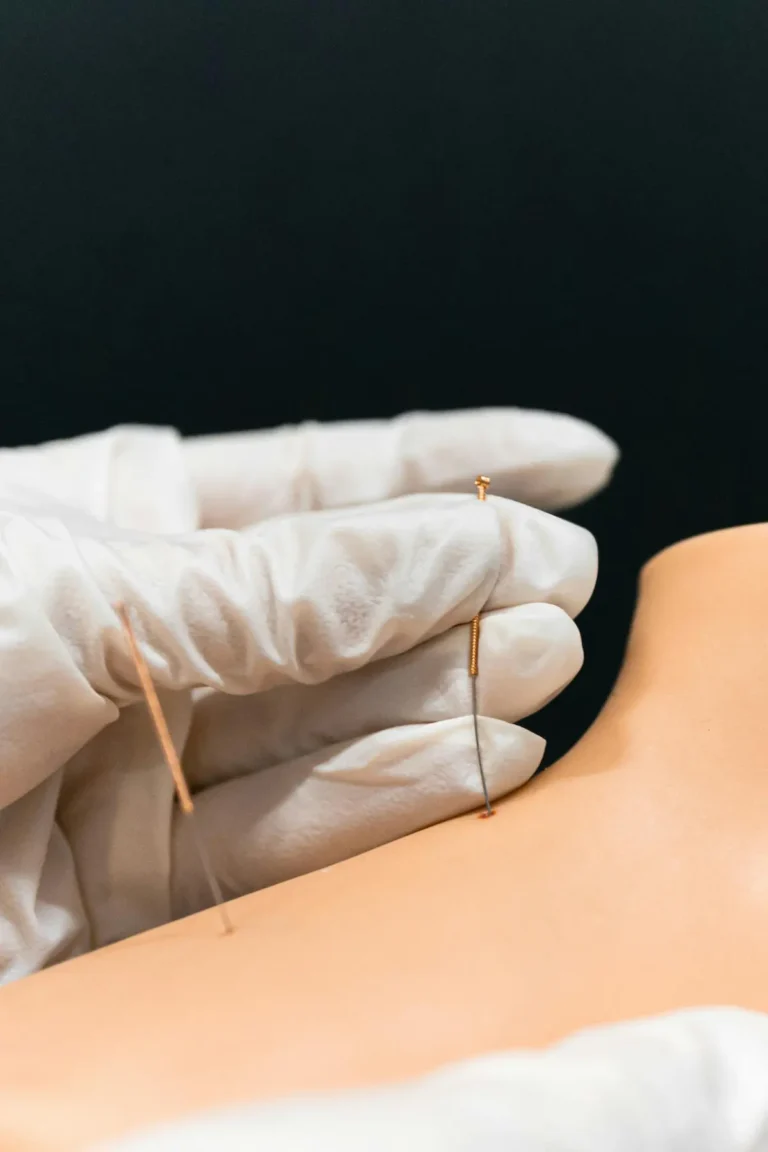
What is dry needling?
Dry needling is a technique where a trained clinician uses a thin, sterile needle to target sensitive points in muscles (often called trigger points). The goal is to reduce muscle tension and help restore more comfortable movement.
Unlike injections, there is no medication in the needle (that’s why it’s called “dry”).
Why do muscles get tight and painful in the first place?
Muscle pain and tightness often show up when the body is compensating. Common contributors include:
- Repetitive strain (desk work, lifting, sports training)
- Previous injury (even if it “healed” months ago)
- Poor movement mechanics (overusing one area to protect another)
- Stress and fatigue (which can increase muscle guarding)
- Reduced strength or stability in key joints (hips, shoulders, core)
Dry needling may help calm overactive tissue — but long-term results usually require addressing the root cause too.
What can dry needling help with?
Dry needling is commonly used as part of care plans for:
- Localized muscle tightness and “knots”
- Reduced range of motion (e.g., neck, shoulders, hips)
- Overuse-related muscle soreness
- Recovery support for athletes (when appropriate)
- Persistent trigger-point related discomfort
If you’re actively training or returning to sport, you’ll usually get better outcomes when dry needling is paired with rehab exercises and load management.
Learn more about dry needling treatment here.
What does dry needling feel like?
People describe it differently. You might feel:
- A quick pinch as the needle enters
- A twitch response in the muscle (brief and normal)
- A deep ache or pressure that fades quickly
Afterward, it’s common to feel mild soreness (similar to a workout) for 24–48 hours.
What should you do after a session?
To get the best results:
- Stay hydrated
- Keep light movement (walking, gentle stretching)
- Avoid intense training for 24 hours if you feel sore
- Follow your rehab plan (mobility + strengthening)
Dry needling works best when it’s not the only strategy — it’s a tool that supports better movement.
Dry needling vs. acupuncture (quick clarity)
These are different approaches:
- Dry needling is typically based on muscle and movement assessment, targeting trigger points and neuromuscular function.
- Acupuncture is traditionally based on broader systems and meridian points.
Your physio can explain why a specific approach is recommended for your condition.
When dry needling may not be the right fit
Dry needling isn’t for everyone. It may be postponed or avoided depending on:
- Certain medical conditions
- Needle sensitivity or anxiety
- Specific pregnancy considerations
- Infection risk concerns
A proper assessment matters.
The bigger goal: pain relief + mobility + confidence in movement
Most people don’t just want less pain — they want to:
- Move freely again
- Train without flare-ups
- Return to work comfortably
- Stop recurring “tightness cycles”
That’s why combining dry needling with movement retraining is key.
If your pain is linked with training or a return-to-sport plan, explore sports injury physiotherapy.
If you’re dealing with persistent muscle tightness or movement restriction, book an assessment with TheraTouch Physiotherapy today.